KOGUJA Banknotes Catalog

What Are Specimen Banknotes
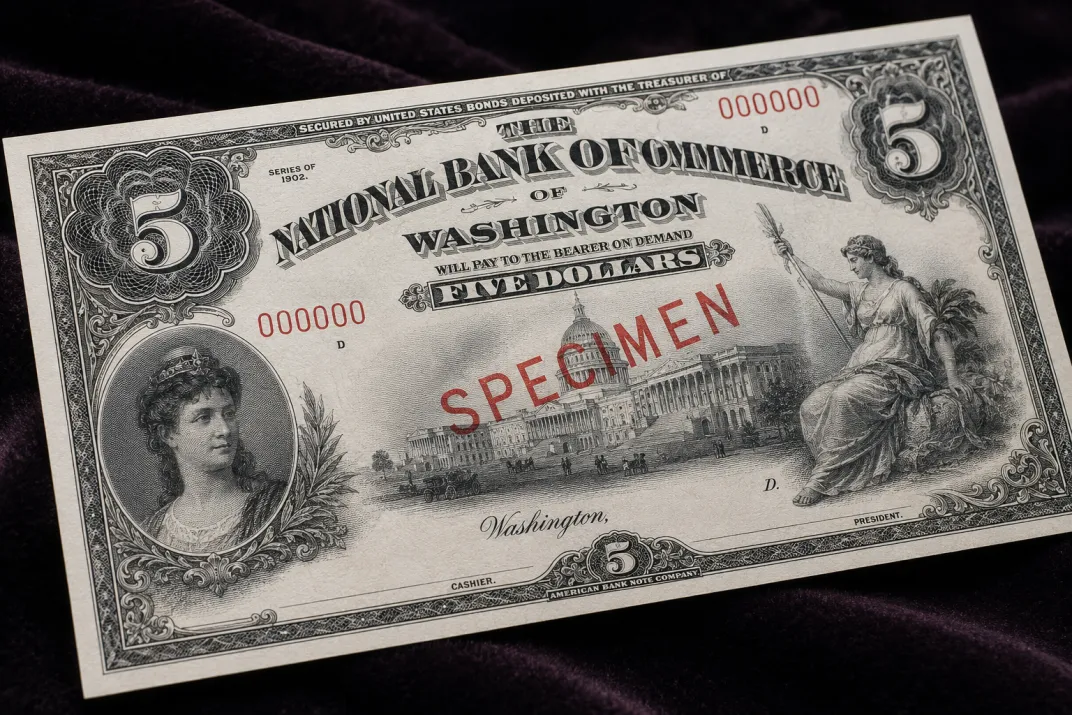
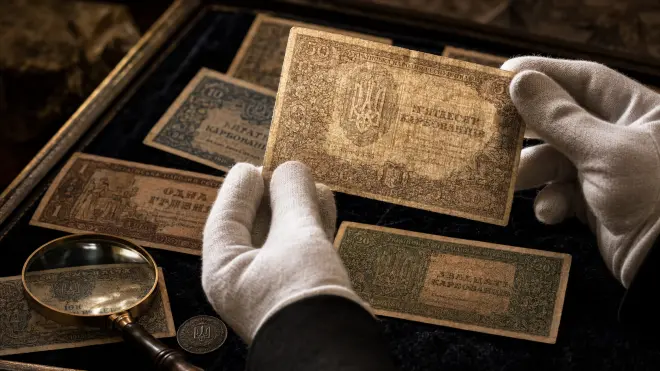
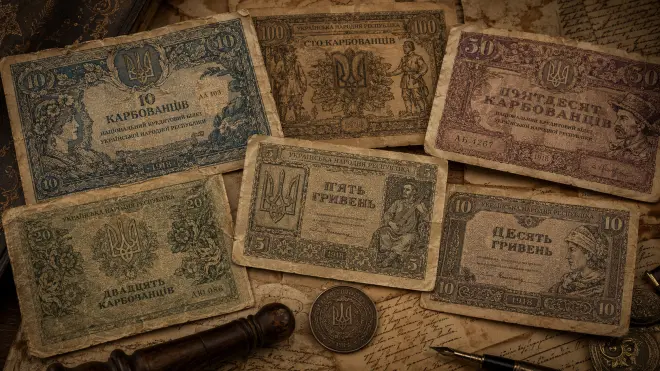
Specimen banknotes are special sample issues of paper money that were never intended for circulation.
They were produced for banks, government institutions, and printing houses as reference examples to demonstrate banknote design, security features, and technical characteristics.

These notes are highly valued by collectors and are commonly found in museum and private collections.

Purpose of Specimen Banknotes

Specimen banknotes were produced for official and demonstration purposes.
They were distributed to commercial banks, exchange offices, and government institutions to familiarize staff with the appearance of new currency issues.

Main purposes included:
• training of banking personnel
• demonstration of design and security features
• approval of final banknote designs
• archival reference

How to Identify a Specimen Banknote

Specimen banknotes feature distinct visual characteristics that differentiate them from circulation issues.

Common identifying features include:
• the word “SPECIMEN” printed, perforated, or stamped
• zero or identical serial numbers
• missing signatures or legal tender status
• perforation holes
• non-standard serial number colors

Collectible Value of Specimen Banknotes

Specimen banknotes represent a distinct category within paper money collecting.
In many cases, they are valued higher than circulation issues due to limited production quantities and excellent preservation.

Their collectible value depends on:
• rarity of the issue
• country and historical period
• condition of the note
• method of “Specimen” marking
• demand on the international collector market

Specimen Banknotes in Catalogs and Collections

Specimen banknotes occupy a special place in paper money catalogs.
They provide valuable insight into banknote design and printing techniques and are of significant interest to collectors and researchers.

In catalogs, specimen notes are typically listed as separate variants or series.

Related Articles
Eastern Ornament in Soviet Banknotes: Turkestan Issues, Islamic Design, Symbolism, Cultural Identity and Collector Value
Complete expert guide to Eastern ornament in Soviet banknotes. Turkestan 1918 issues, Islamic design, symbolism, rarity, prices and collecting strategy.
Turkestan Banknotes of 1918 (“Turkbon”): Civil War Money, Economic Crisis, Design and Collector Value
Expert guide to Turkestan banknotes of 1918: history, inflation, design, varieties, prices and investment potential.
Kazakhstan Banknotes: History of the Tenge, Design Evolution, Rare Issues and Collector Guide
Complete guide to Kazakhstan banknotes. Learn the history of the tenge, design evolution, rare issues, values, and collecting tips for modern and early notes.
Romania 2000 Lei Solar Eclipse Banknote: History, Design, Value and Collecting Guide
Explore the famous Romanian 2000 lei solar eclipse banknote. Learn its history, design, rarity, value, and why collectors worldwide seek this unique polymer note.
Top Reference Books for World Paper Money Collectors (Ultimate Guide + Best Catalogs Ranked)
Ultimate guide to the best world paper money catalog books. Compare top banknote reference guides, learn how to choose the right catalog, and find the best books for collectors.
Best Books on Banknote Collecting (Complete Guide for Beginners & Experts)
Discover the best books on banknote collecting, including beginner guides, world paper money catalogs, and advanced numismatic references for serious collectors.