Zimbabwe Billion Dollar Banknotes: Full Story of Hyperinflation, Trillion Notes and Currency Collapse
Introduction: The Most Extreme Hyperinflation in Modern History
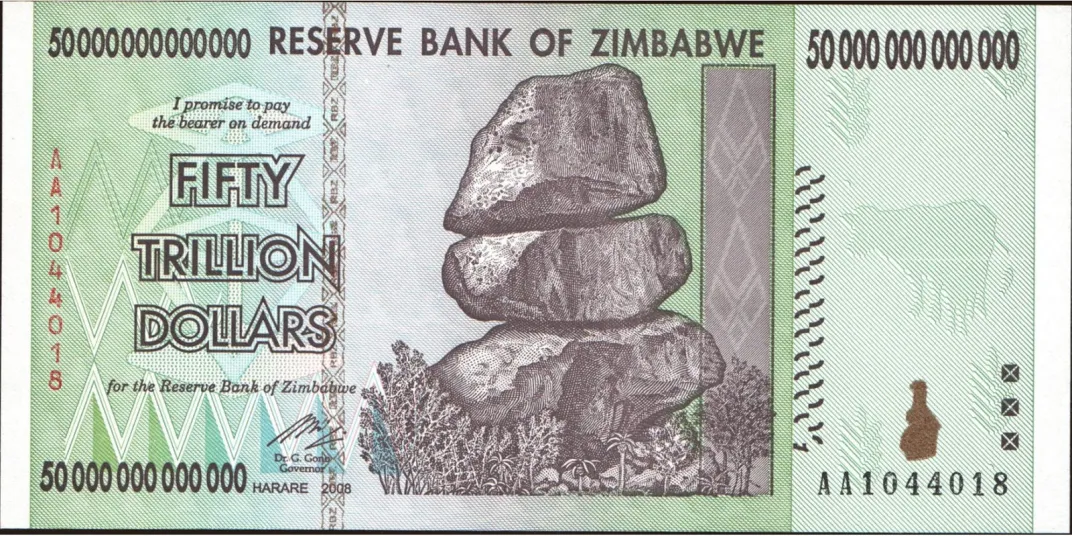
Zimbabwe’s hyperinflation crisis in the late 2000s is widely regarded as one of the most extreme economic collapses ever recorded. During this period, the country issued banknotes with denominations reaching billions and trillions, turning everyday transactions into surreal experiences.
Unlike theoretical discussions of inflation, Zimbabwe provides a real-world example of how quickly a monetary system can fail. Within a few years, the national currency lost almost all of its value, forcing people to abandon it entirely.
This article explores the full story behind Zimbabwe’s hyperinflation, including its causes, escalation, impact on society, and the legacy of its extraordinary banknotes.
Economic Background Before the Crisis
Before the crisis, Zimbabwe had a relatively stable economy supported by agriculture and natural resources. However, a series of political and economic decisions led to a gradual decline.
Land reform policies disrupted agricultural production, which was a key pillar of the economy. Large-scale farms were redistributed, often without adequate planning or support, leading to a sharp decrease in output.
At the same time, political instability reduced foreign investment and weakened economic confidence. Government spending increased while revenues declined, creating a growing budget deficit.
To cover this gap, the government began printing money, setting the stage for hyperinflation.
The Beginning of Hyperinflation
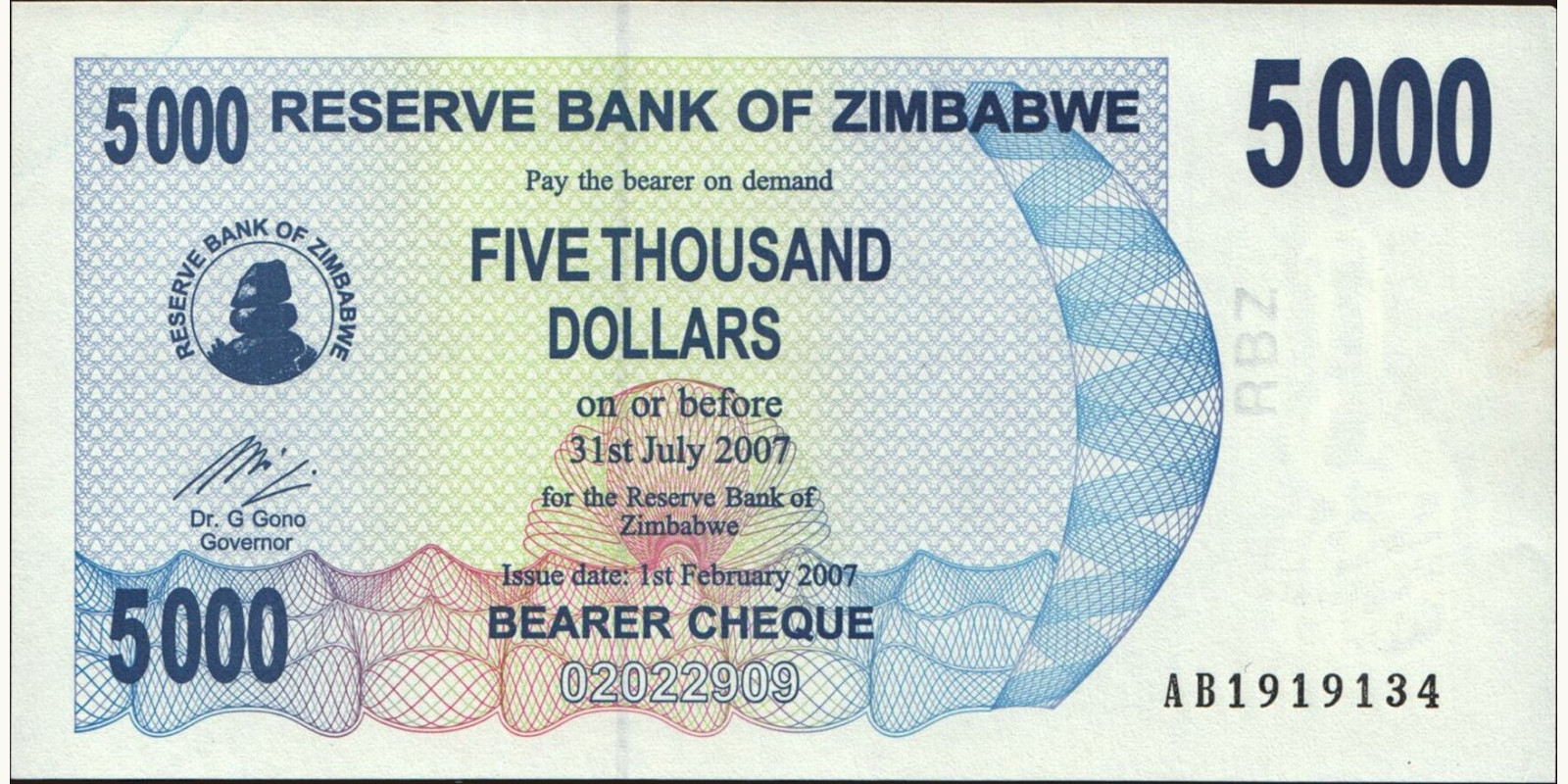
Hyperinflation in Zimbabwe did not happen overnight. It started as high inflation and gradually spiraled out of control.
As more money entered the economy without corresponding growth in goods and services, prices began to rise rapidly. Initially, this was manageable, but the situation worsened as confidence in the currency declined.
People began to expect higher prices, which accelerated spending and further increased inflation. This psychological effect played a crucial role in transforming inflation into hyperinflation.
This process follows the classic pattern described in What is Hyperinflation.
Explosion of Prices and Currency Collapse
By 2007–2008, inflation reached unprecedented levels. Prices doubled daily, and in some cases, even faster.
Basic goods such as bread, milk, and fuel became increasingly expensive, sometimes changing price multiple times within a single day.
The Zimbabwean dollar effectively ceased to function as money. It could no longer serve as a store of value or a reliable medium of exchange.
People rushed to spend money immediately after receiving it, knowing it would lose value within hours.
Issuance of Billion and Trillion Banknotes
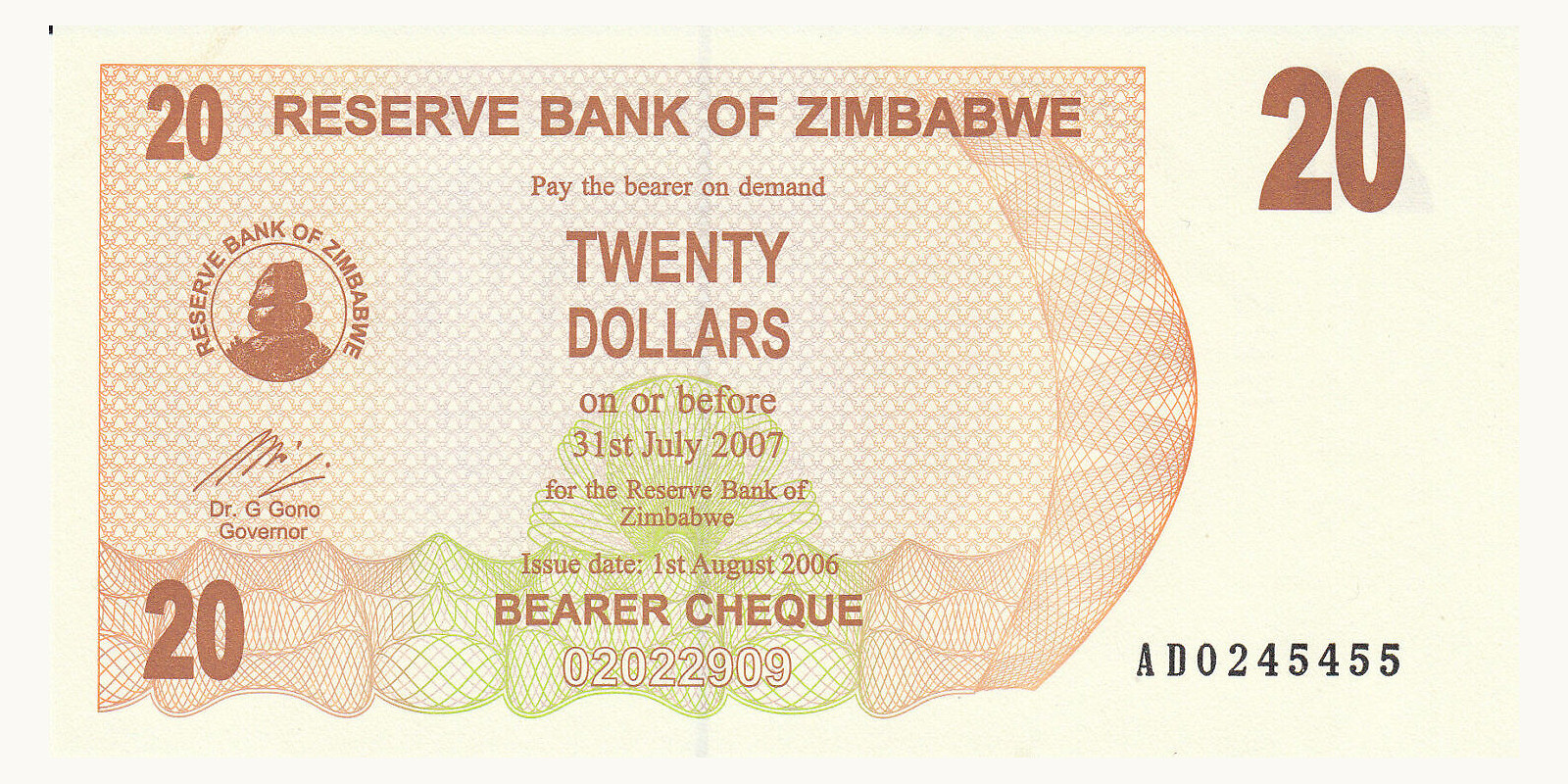
To keep up with rising prices, the Reserve Bank of Zimbabwe began issuing banknotes with increasingly large denominations.
These included:
1 million dollars
1 billion dollars
100 billion dollars
100 trillion dollars
The 100 trillion dollar note became one of the most famous banknotes in history.
Despite their enormous face value, these notes had very little purchasing power. In many cases, they were barely enough to buy basic food items.
This phenomenon is similar to the high denomination issues seen in Million Banknotes of the 1990s.
Daily Life During Hyperinflation
Life during hyperinflation was extremely challenging.
People carried bags or backpacks filled with cash just to buy groceries. Salaries became meaningless, as they could not keep up with rising prices.
Shops struggled to set prices, often updating them several times a day. Long queues formed as people tried to spend money quickly.
Barter became common, with people exchanging goods directly instead of using currency.
Foreign currencies such as the US dollar and South African rand became widely used, replacing the local currency in many transactions.
Collapse of the Financial System
The banking system also suffered severe damage.
Savings accounts became worthless, wiping out the wealth of millions of people. Loans lost meaning, as repayment values became insignificant.
Financial institutions struggled to operate in such an unstable environment, leading to widespread loss of trust.
Government Response and Policy Failures
The government attempted several measures to control inflation, but most were ineffective.
Price controls were introduced but led to shortages, as businesses could not operate profitably.
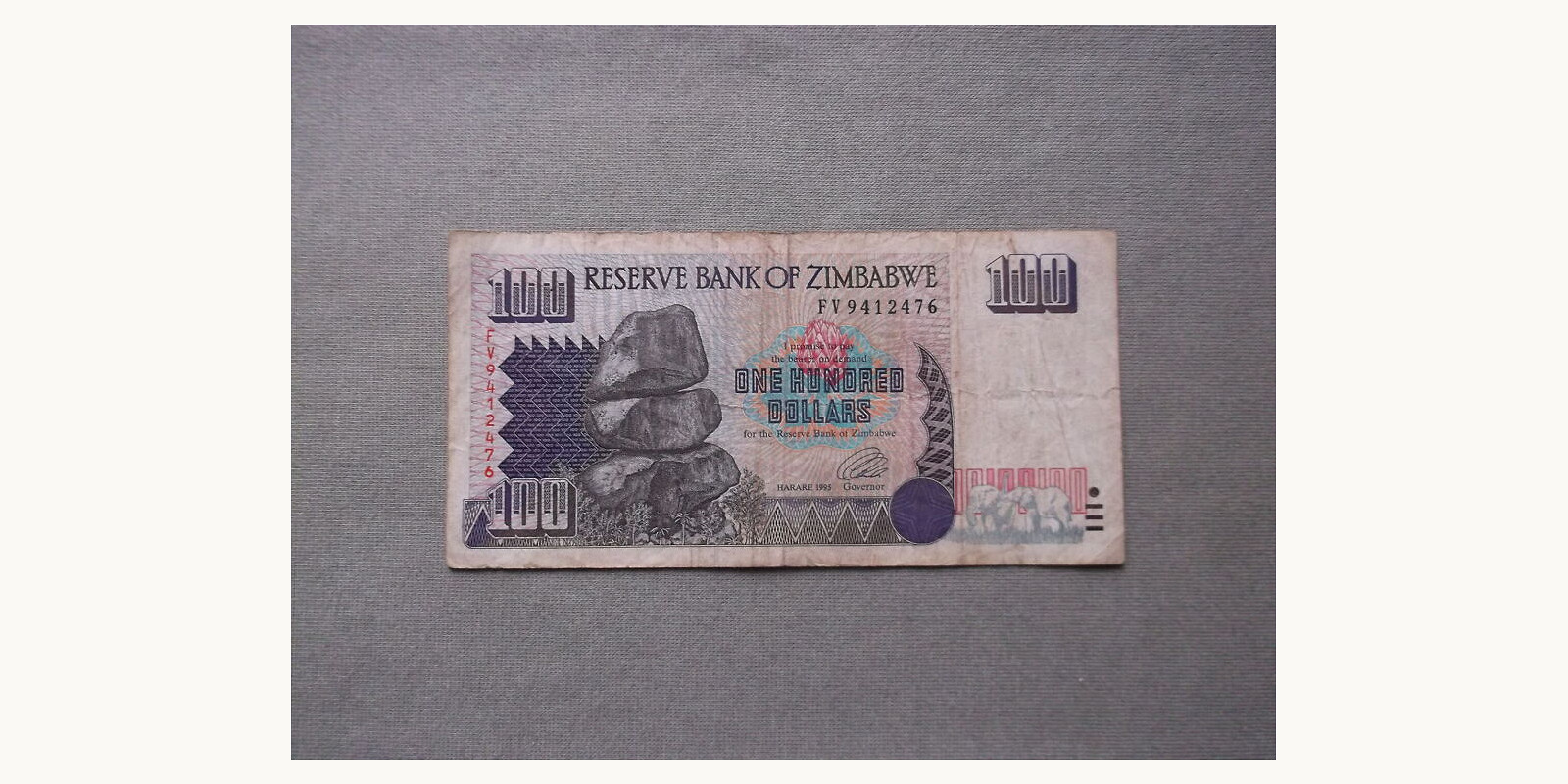
Currency redenominations were implemented multiple times, removing zeros from banknotes. However, these measures failed because the underlying problems were not addressed.
The continued printing of money only worsened the situation.
End of Hyperinflation
Zimbabwe eventually ended hyperinflation by abandoning its national currency.
The country adopted foreign currencies, including the US dollar, in a process known as dollarization.
This stabilized prices and restored some level of economic order.
The mechanism behind such reforms is explained in How Currency Reform Works.
Collectible Value of Zimbabwe Banknotes
Today, Zimbabwe’s hyperinflation banknotes are highly collectible.
Collectors are attracted to their extreme denominations and historical significance.
The 100 trillion dollar note is particularly popular and is often seen as a symbol of economic collapse.
These banknotes provide a tangible connection to one of the most dramatic economic events in modern history.
Lessons from Zimbabwe’s Hyperinflation
Zimbabwe’s experience highlights several important lessons.
Uncontrolled money printing leads to currency collapse
Economic stability depends on production and trust
Political decisions can have long-term economic consequences
These lessons are relevant not only for economists but also for collectors and historians.
Connection to Other Hyperinflation Cases
Zimbabwe is not the only example of hyperinflation.
Germany 1923 experienced similar issues, although under different conditions.
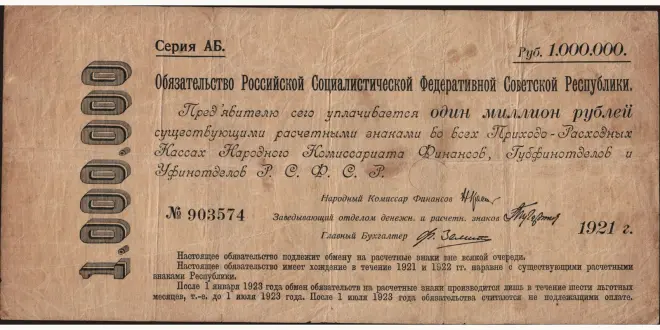
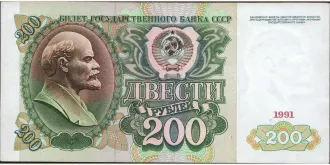
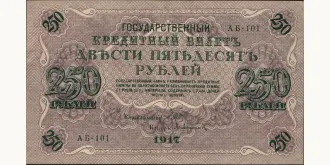
Post-Soviet countries in the 1990s also issued high denomination banknotes.
All these cases follow similar patterns of monetary collapse and recovery.
Conclusion
Zimbabwe’s hyperinflation represents one of the most extreme examples of economic failure.
The story of its billion and trillion dollar banknotes serves as a powerful reminder of the importance of stable monetary policy.
For collectors, these notes are more than just curiosities—they are historical artifacts that capture a unique moment in time.
| Peak inflation | Daily price doubling |
|---|---|
| Highest denomination | 100 trillion dollars |
| Main cause | Money printing |
| End of crisis | Dollarization |
| Collector interest | Very high |
Question
Why did Zimbabwe issue trillion banknotes
Answer
Because inflation made smaller denominations useless
Question
What was the highest denomination
Answer
100 trillion Zimbabwe dollars
Question
How did the crisis end
Answer
By adopting foreign currencies
Question
Are these banknotes valuable
Answer
Yes, they are popular among collectors
Question
Is Zimbabwe unique
Answer
It is one of the most extreme cases but not the only one
Related Articles