Kazakhstan Banknotes: History of the Tenge, Design Evolution, Rare Issues and Collector Guide
Introduction to Kazakhstan Banknotes and the Birth of the Tenge
Kazakhstan banknotes represent one of the most important monetary transformations of the post-Soviet era. After the collapse of the Soviet Union in 1991, Kazakhstan faced the urgent need to establish its own financial system. This led to the introduction of the national currency — the tenge — on November 15, 1993.
The launch of the tenge was not just an economic reform, but a symbol of sovereignty and independence. For the first time in modern history, Kazakhstan had full control over its monetary policy. The first banknotes became a powerful expression of national identity, culture, and history.
Unlike many other newly independent states, Kazakhstan invested heavily in the design and security of its banknotes. From the very beginning, Kazakh banknotes were created with high artistic standards and advanced printing technologies, making them some of the most visually impressive currencies in the world.
Today, Kazakhstan banknotes are widely collected due to their unique design, historical importance, and relatively short circulation history.
The First Series of 1993 Banknotes
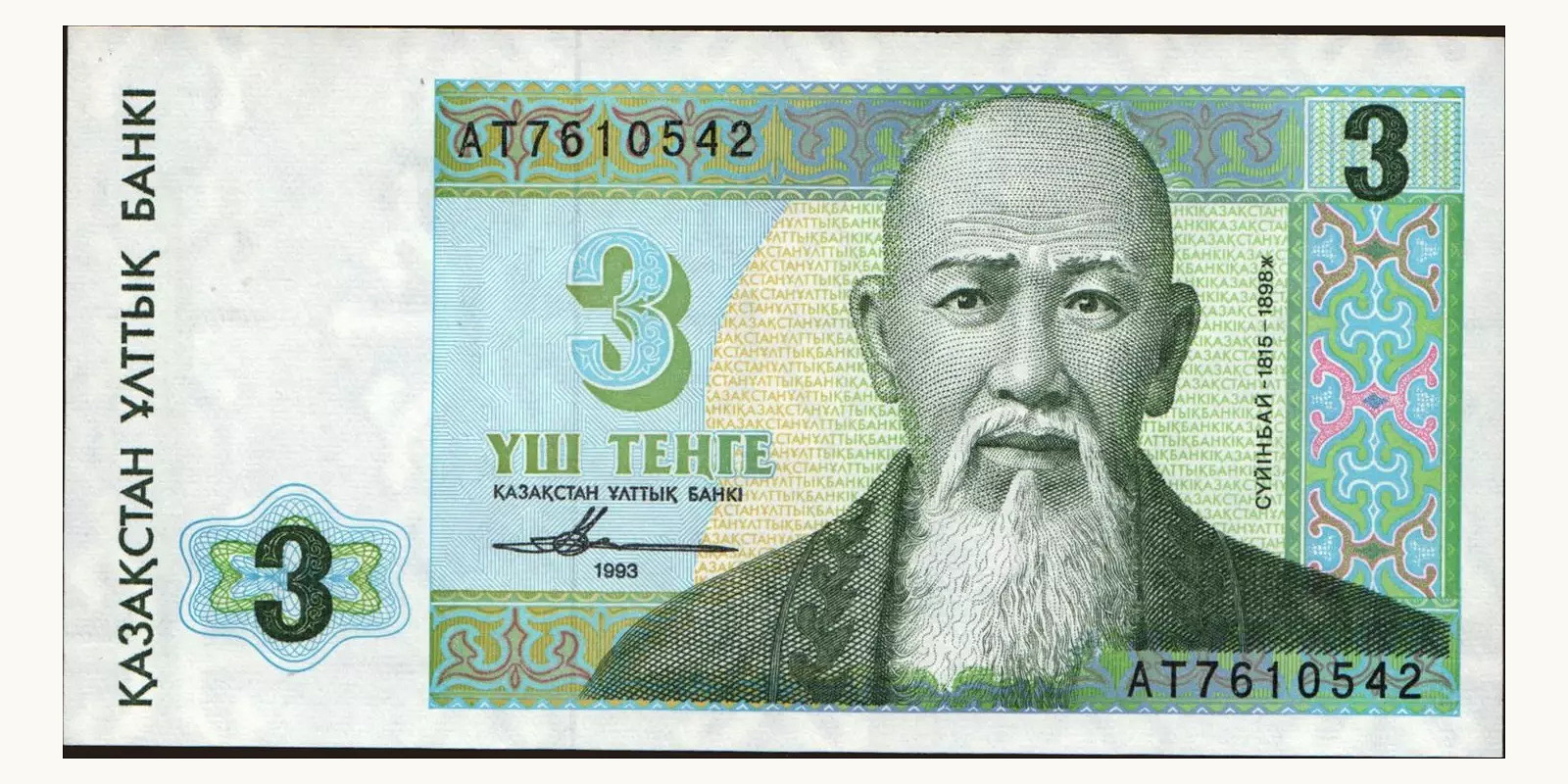
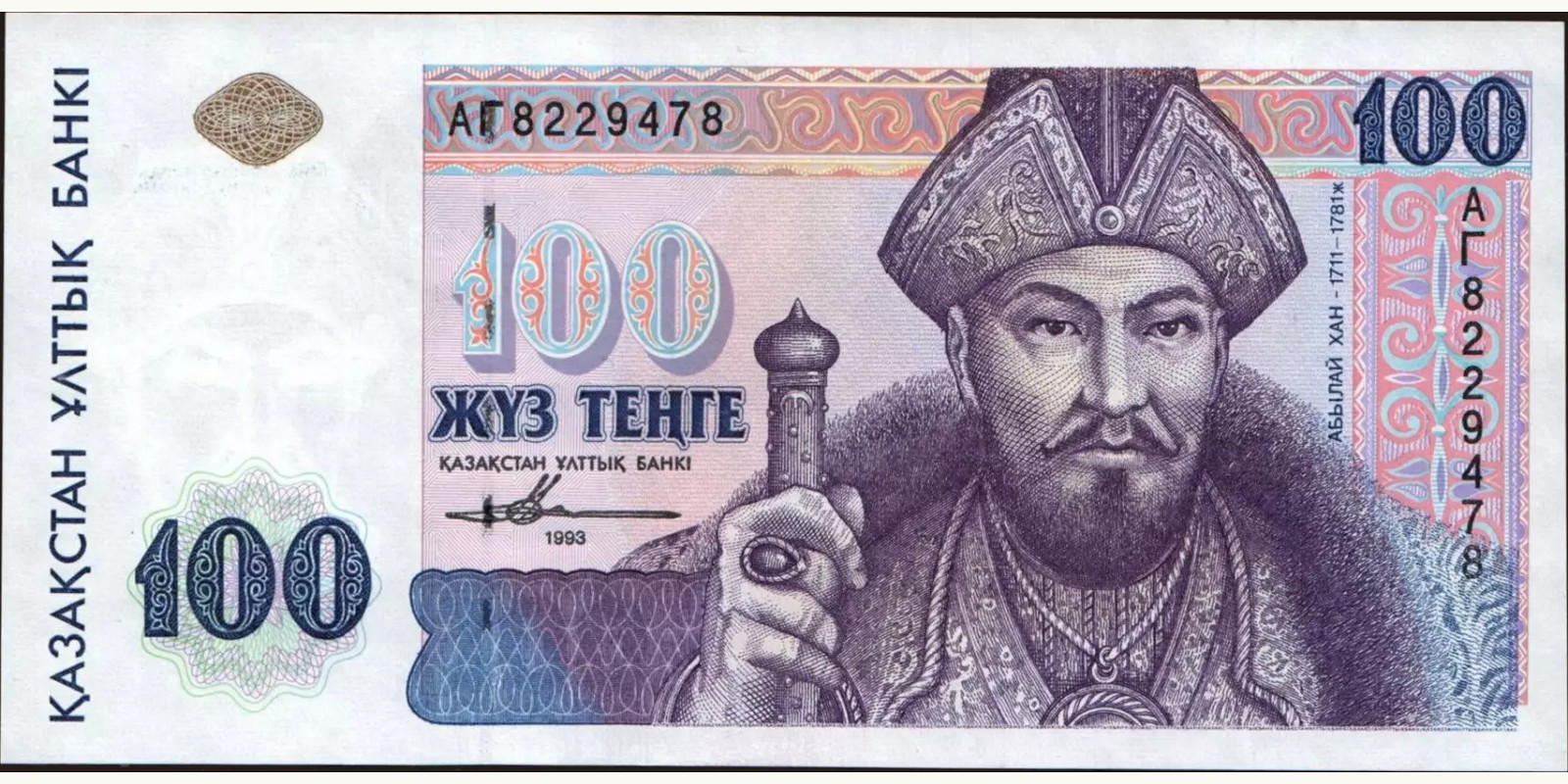
The first series of Kazakhstan banknotes was introduced in 1993 and printed in the United Kingdom, ensuring high quality and strong security features. These banknotes replaced the Soviet ruble in a rapid transition designed to stabilize the economy.
The initial denominations included 1, 3, 5, 10, 20, 50, and 100 tenge. Each banknote featured a prominent historical or cultural figure, reinforcing national identity.
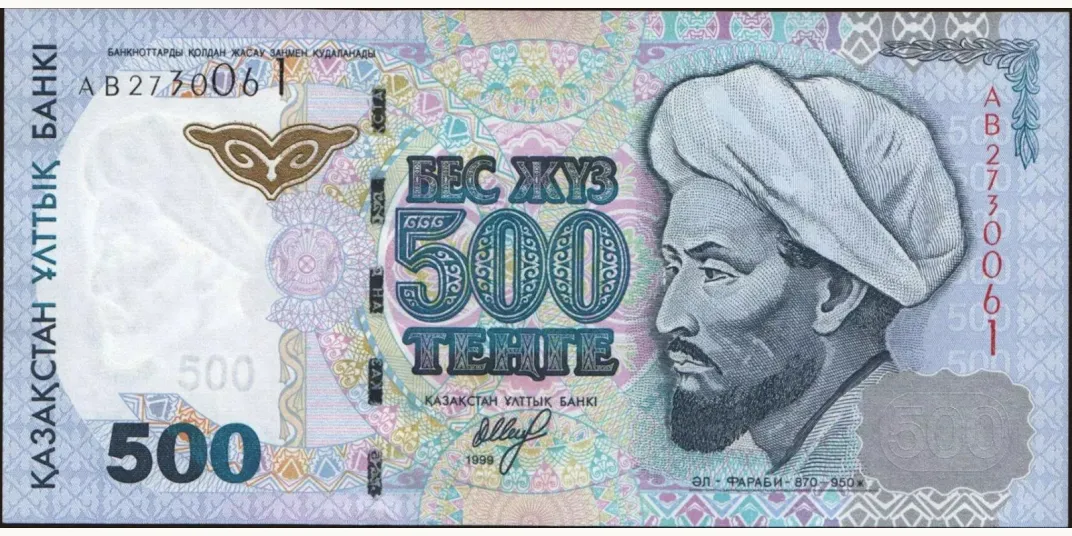
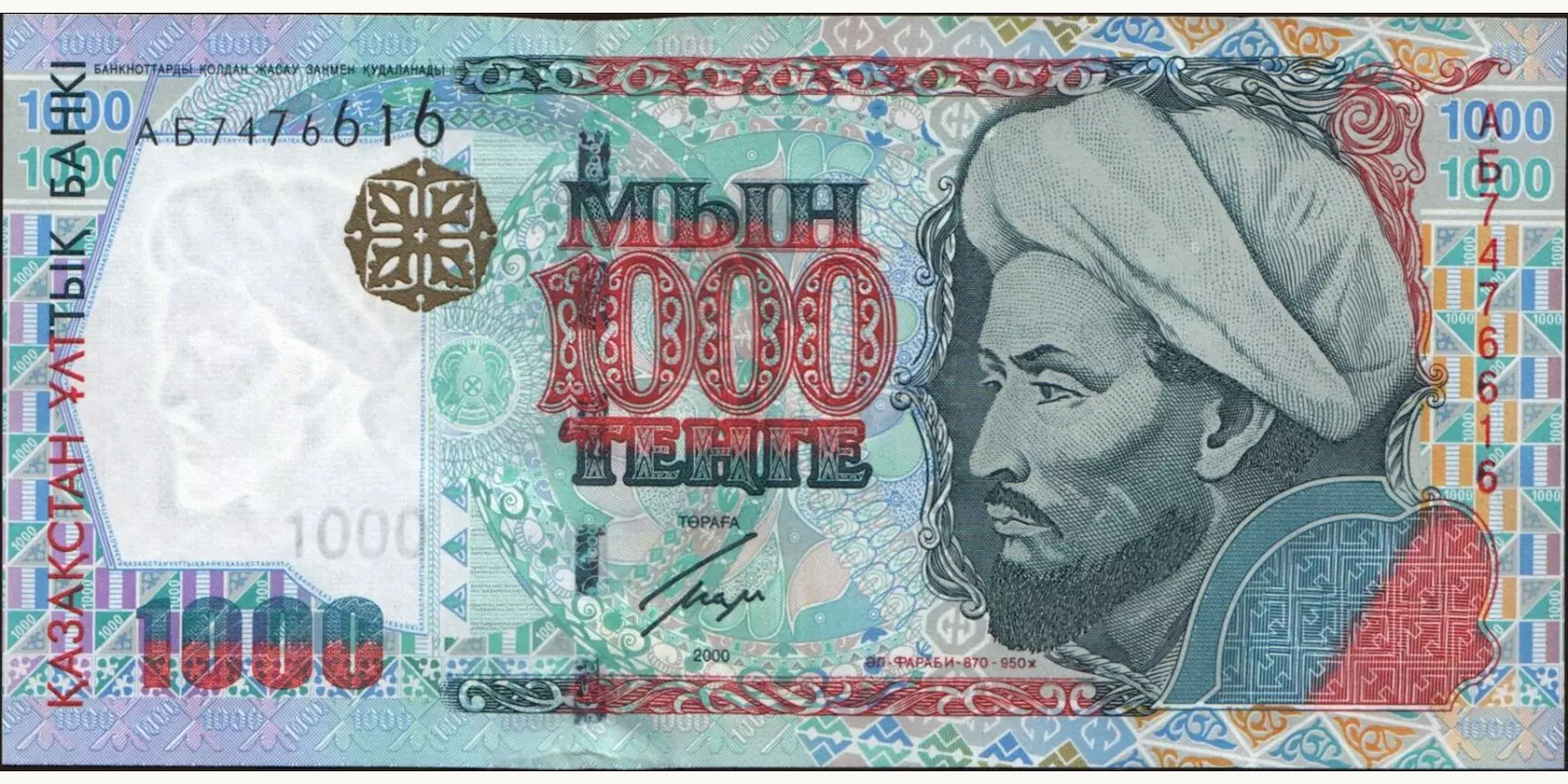
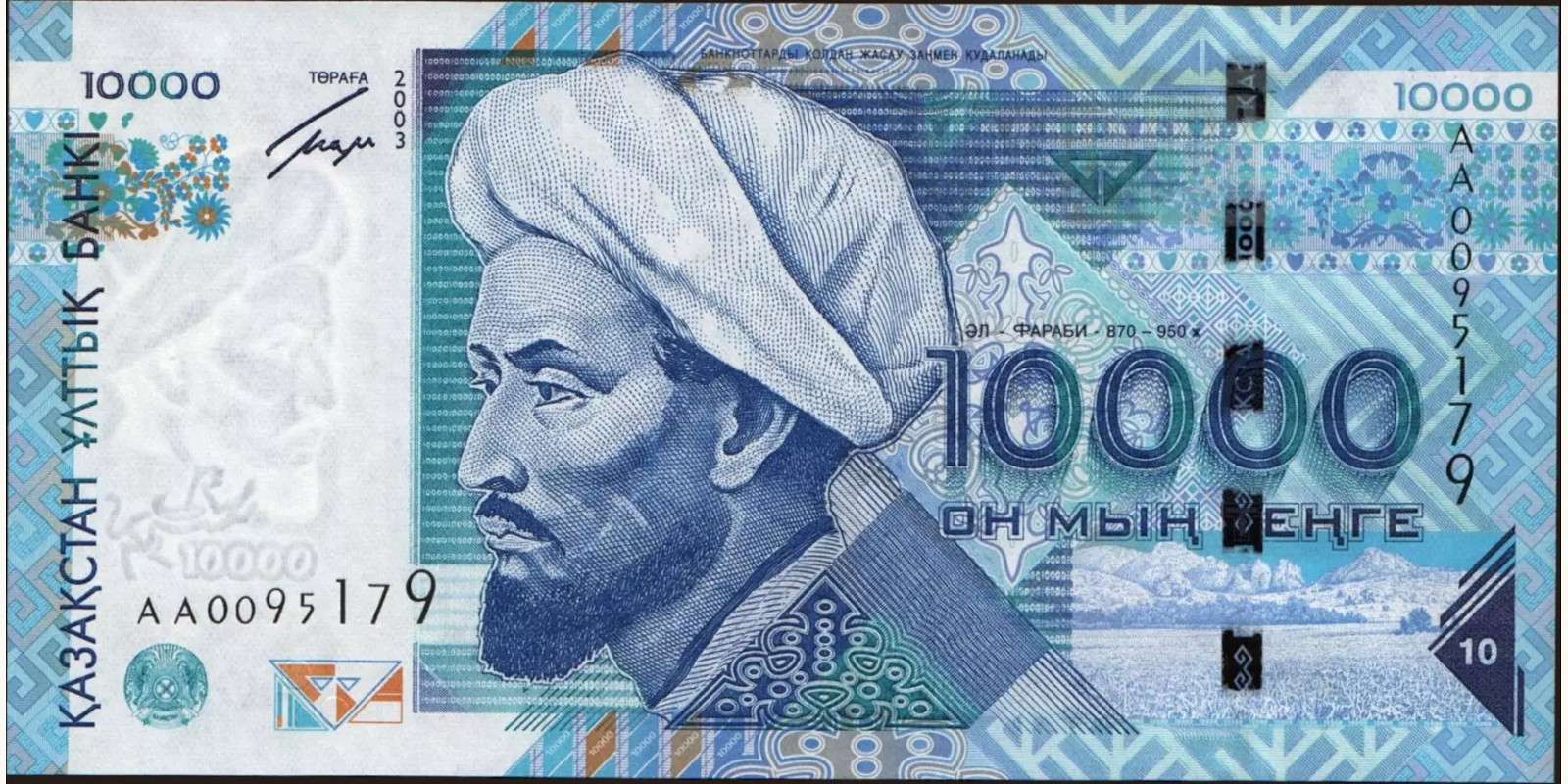
For example, the 500 tenge note featured Al-Farabi, one of the most important philosophers of the Islamic Golden Age. Other figures included poets, scientists, and national heroes who shaped Kazakh history.
These early banknotes are now highly collectible, especially in uncirculated condition.
Design Philosophy: National Identity Through Currency
Kazakhstan banknotes are known for their deep symbolic meaning. The first series focused on portraying key historical personalities, linking the modern state to its intellectual and cultural roots.
Portraits were carefully selected to represent different aspects of Kazakh heritage — philosophy, literature, science, and leadership. This approach transformed banknotes into educational tools.
The reverse sides typically featured architecture, landscapes, or cultural monuments. These elements helped create a visual narrative of Kazakhstan as a modern yet historically rich nation.
Over time, Kazakhstan shifted toward more abstract and conceptual designs, reflecting modernization and global integration.
Evolution of Banknote Design: From Portraits to Modern Art
One of the most distinctive aspects of Kazakhstan banknotes is their evolution in design. While early issues prominently featured portraits, later series moved toward symbolic and abstract compositions.
In the 2000s, Kazakhstan introduced vertically oriented banknotes — a rare feature in global currency design. These notes emphasized national symbols such as the Baiterek monument and state insignia.
This transition marked a shift from traditional portrait-based design to a more modern, artistic approach. It positioned Kazakhstan among the most innovative countries in banknote design.
Collectors often appreciate both styles: the classical portrait series and the modern vertical notes.
Denominations and Inflation Impact
As Kazakhstan’s economy developed, higher denominations were introduced. These included 200, 500, 1000, 2000, 5000, and later 10000 tenge.
Inflation in the 1990s played a major role in expanding the range of banknotes. Larger denominations became necessary for everyday transactions.
For collectors, this period is particularly interesting because it reflects real economic changes through currency evolution.
Some denominations were printed for a short time, making them more valuable today.
Security Features and Technological Innovation
Kazakhstan banknotes are considered among the most technologically advanced in the world. The country has repeatedly received international awards for banknote design and security.
Modern notes include features such as holographic stripes, color-shifting ink, microprinting, UV elements, and transparent windows.
These innovations make Kazakhstan banknotes extremely difficult to counterfeit.
The use of cutting-edge security technology has positioned Kazakhstan as a global leader in banknote production.
Rare and Valuable Kazakhstan Banknotes
Certain Kazakhstan banknotes are highly sought after by collectors. The most valuable are typically early issues from 1993, especially in uncirculated condition.
Low serial numbers, replacement notes, and rare signatures significantly increase value.
Some limited print runs and transitional issues are also considered rare.
Collectors should pay attention to condition grading, as the difference between circulated and uncirculated notes can dramatically affect price.
Collecting Kazakhstan Banknotes: Beginner to Advanced
Kazakhstan banknotes offer an excellent entry point for collectors. They are relatively affordable while still offering strong historical and artistic value.
Beginners can start with circulated notes to build a basic collection. More advanced collectors often focus on complete series, UNC condition, or rare varieties.
Special attention should be given to storage, as proper preservation significantly affects long-term value.
Building a themed collection — such as early tenge issues or vertical banknotes — is also a popular strategy.
Investment Potential of Kazakhstan Banknotes
From an investment perspective, Kazakhstan banknotes show promising potential. Their limited history, combined with increasing global interest, creates favorable conditions for price growth.
As more collectors discover these notes, demand continues to rise. Meanwhile, supply decreases as notes are lost or damaged over time.
High-grade early issues and rare variants are expected to perform best in the long term.
For investors, Kazakhstan banknotes represent a balance between affordability and growth potential.
| Country | Kazakhstan |
|---|---|
| Currency | Tenge |
| Introduced | 1993 |
| Printer | United Kingdom |
| Key Figure | Al-Farabi |
| Design Evolution | Portrait to Vertical |
| High Denomination | 10000 tenge |
| Collectibility | Growing |
When was the tenge introduced
The tenge was introduced on November 15, 1993.
Are Kazakhstan banknotes collectible
Yes, especially early issues and rare varieties.
What are the most valuable notes
Early 1993 notes in uncirculated condition.
Why are Kazakhstan banknotes unique
They combine strong design, innovation, and cultural symbolism.
Related Articles