Million Banknotes of the 1990s: Hyperinflation, Economic Collapse and the Rise of Extreme Currency
Introduction: The Meaning Behind Million Banknotes
The emergence of million-denomination banknotes in the 1990s stands as one of the most powerful visual symbols of economic collapse in modern history. At first glance, a banknote with a value of one million appears impressive, even extraordinary. However, in the context of hyperinflation, such denominations do not represent wealth but rather the dramatic loss of purchasing power and trust in a national currency.
During the transition from centrally planned economies to market systems, many post-Soviet countries experienced severe financial instability. Governments struggled to maintain control over monetary systems, leading to uncontrolled inflation. As prices increased rapidly, currencies lost value at an alarming rate, forcing authorities to print increasingly larger denominations.
Million banknotes became a daily reality in countries such as Ukraine, Georgia, and Belarus. These notes were used not for luxury purchases but for basic necessities such as bread, transport, and utilities. The phenomenon illustrates how quickly money can lose its meaning when economic systems fail.
The Collapse of the Soviet Economic System
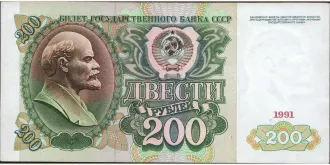
The roots of hyperinflation in the 1990s lie in the collapse of the Soviet Union in 1991. For decades, the Soviet economy operated under centralized planning, where production, pricing, and distribution were controlled by the state. When this system collapsed, the economic infrastructure disintegrated almost overnight.
Factories stopped production, supply chains broke down, and unemployment rose sharply. Newly independent states lacked experience in managing market economies. At the same time, they faced enormous financial pressures, including the need to support social programs, stabilize industries, and build new institutions.
Without sufficient tax revenue or access to international financial markets, many governments resorted to printing money. This decision triggered inflation, which quickly escalated into hyperinflation in several countries.

Understanding Hyperinflation
Hyperinflation is an extreme form of inflation characterized by rapid and uncontrollable increases in prices. Economists typically define it as inflation exceeding 50 percent per month. In such conditions, money loses value so quickly that people rush to spend it immediately.
The primary cause of hyperinflation is excessive money supply growth. When governments print money without corresponding economic output, each unit of currency becomes less valuable. This leads to rising prices, which in turn forces further money printing, creating a destructive cycle.
In post-Soviet countries, hyperinflation was intensified by political instability, weak financial institutions, and lack of public trust. Currency speculation and dollarization further accelerated the decline of national currencies.
The Emergence of Million Banknotes
As inflation accelerated, governments were forced to introduce higher denomination banknotes. Initially, increases were gradual, from tens to hundreds and thousands. However, as hyperinflation took hold, denominations expanded rapidly into hundreds of thousands and eventually millions.
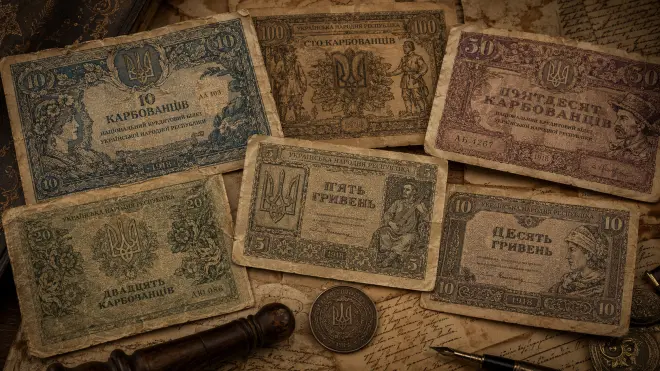
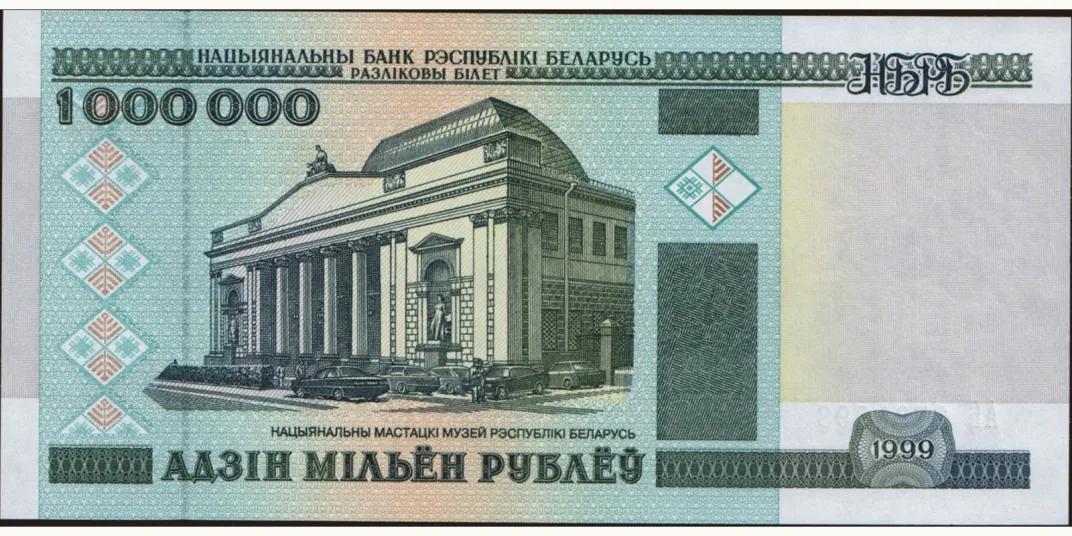
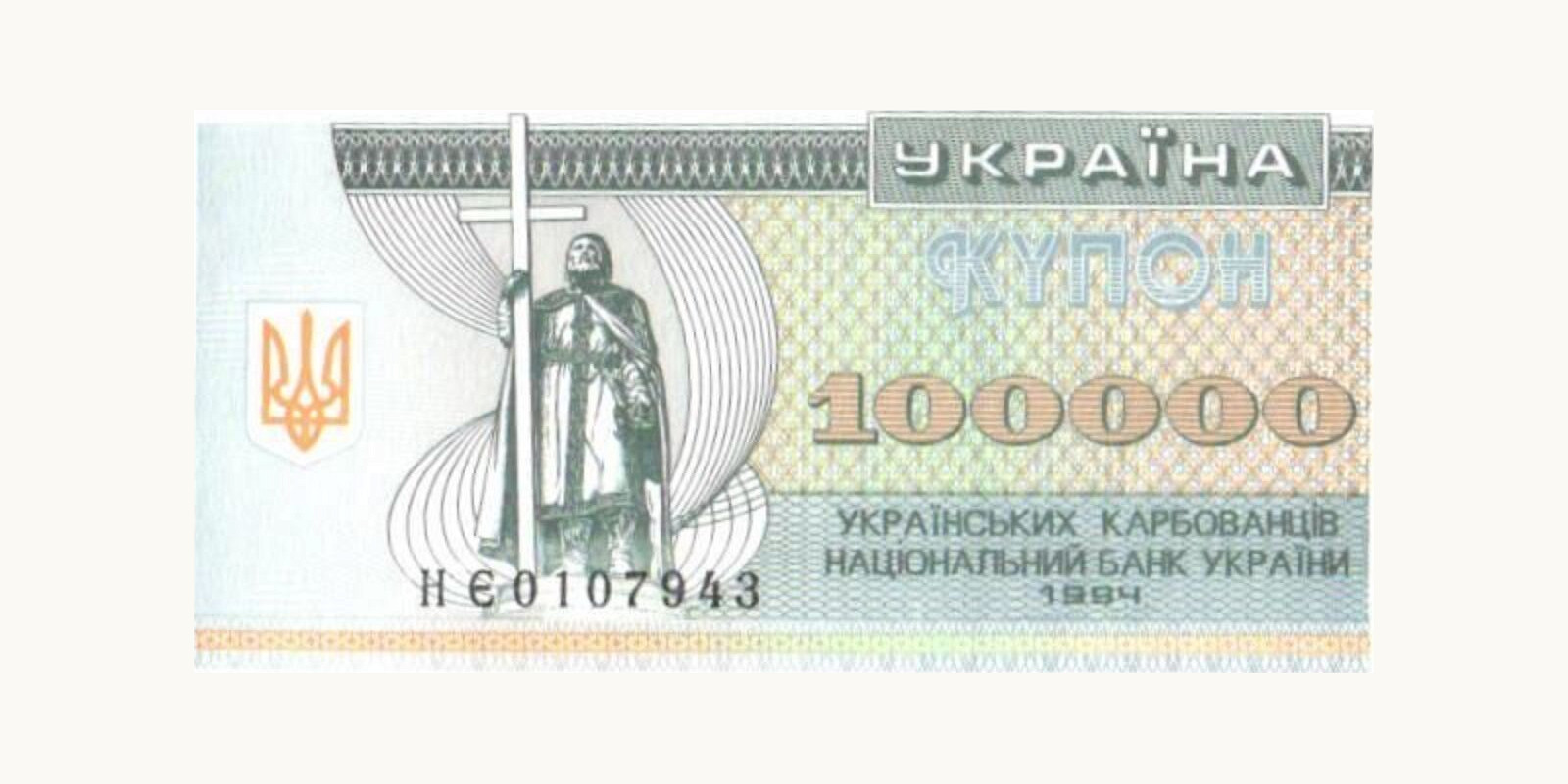
In Ukraine, the karbovanets reached denominations of one million and beyond. Georgia issued coupon currency with similar high values. Belarus introduced a one million ruble banknote in 1999.
These banknotes became essential for everyday transactions. Without them, simple purchases would require impractically large stacks of smaller notes. However, their existence also reflected the failure of monetary policy and the collapse of economic stability.
Case Study: Ukraine and the Karbovanets Crisis
Ukraine experienced one of the most severe hyperinflation episodes in Europe during the early 1990s. After gaining independence, the country introduced the karbovanets as a temporary currency. However, economic instability and excessive money printing quickly eroded its value.
By the mid-1990s, million-denomination banknotes became common. Salaries were paid in bundles of cash, and prices changed frequently, sometimes multiple times per day. The situation created uncertainty and made financial planning nearly impossible.
In 1996, Ukraine introduced the hryvnia, replacing the karbovanets at a fixed exchange rate. This reform marked the end of hyperinflation and restored stability to the monetary system.
Case Study: Georgia and Coupon Currency
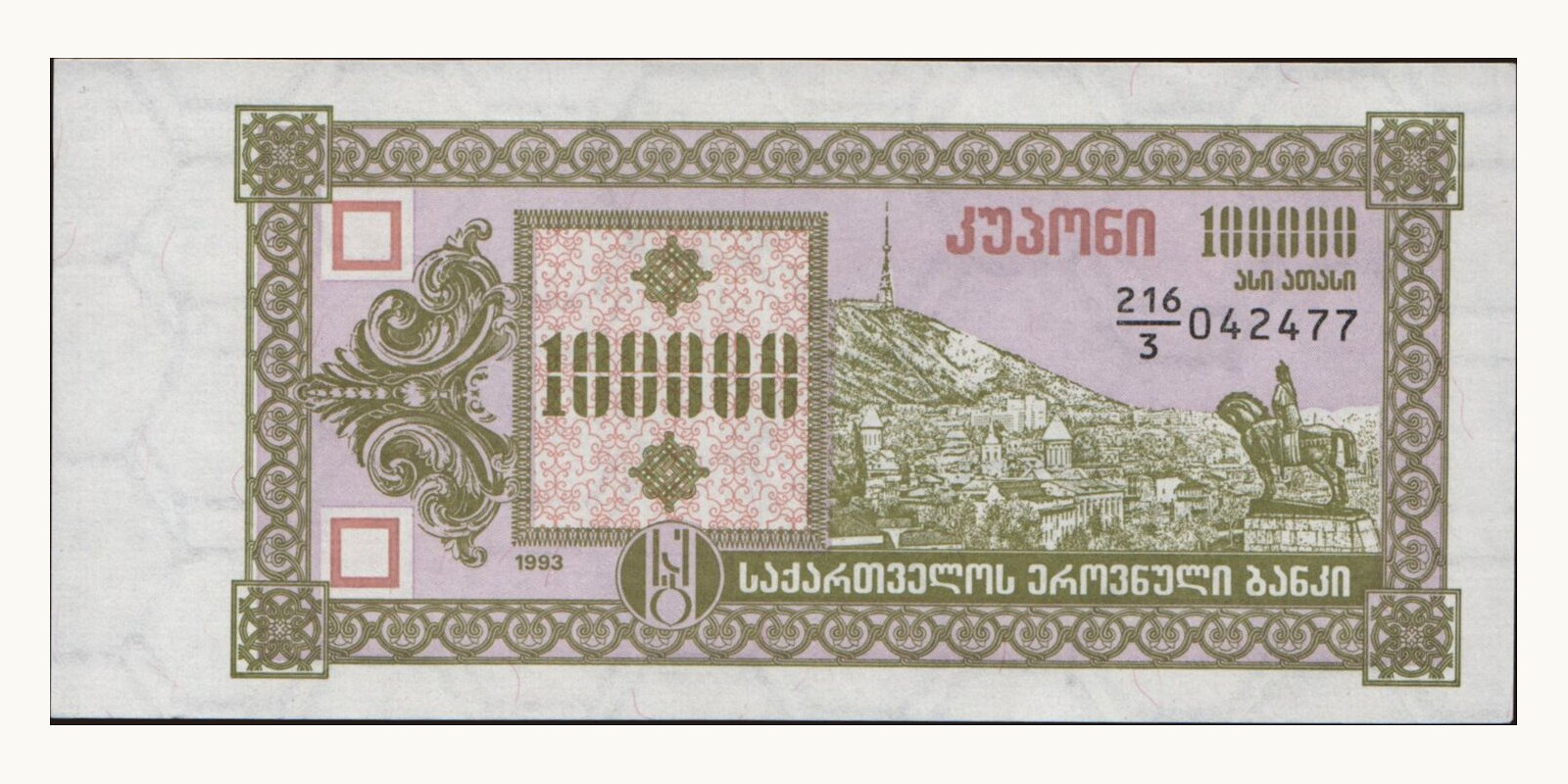
Georgia faced similar challenges during its transition period. The government introduced coupon currency as a temporary solution, but it quickly lost value due to inflation.
Million-value notes became widespread, reflecting the severity of the crisis. In 1995, the introduction of the lari stabilized the economy and ended the use of high-denomination coupons.
Today, Georgian coupon banknotes are important historical artifacts that illustrate the impact of hyperinflation on everyday life.
Case Study: Belarus and the Late Million Ruble
Belarus presents a unique case. Unlike Ukraine and Georgia, its million banknote appeared later, in 1999. By that time, inflation had slowed, but high denominations remained necessary due to earlier devaluation.
The Belarusian million ruble banknote featured cultural and architectural elements, including museums and artwork. It remains one of the most recognizable high-denomination notes in Europe.
Belarus later conducted redenominations, gradually removing zeros from its currency and stabilizing the economy.
Design and Symbolism of Million Banknotes
Despite being products of crisis, million banknotes often featured detailed and meaningful designs. Governments used these notes to reinforce national identity during periods of uncertainty.
Common elements included national heroes, historical monuments, and cultural symbols. These designs served as tools of legitimacy, helping governments maintain public trust.
However, due to urgent production needs, security features were often limited. This made some banknotes vulnerable to counterfeiting, further complicating economic conditions.
Everyday Life During Hyperinflation
Hyperinflation had a profound impact on daily life. People lost confidence in money, savings were wiped out, and wages became meaningless within days.
Citizens adapted by spending money immediately after receiving it. Many turned to foreign currencies such as the US dollar as a more stable store of value. In extreme cases, barter systems replaced monetary transactions.
Carrying large amounts of cash became normal, highlighting the inefficiency and instability of the system.
Currency Reform and Stabilization
To end hyperinflation, governments implemented currency reforms. These reforms involved introducing new currencies and removing excess zeros through redenomination.
Successful reforms required strict control of the money supply, fiscal discipline, and restoration of public trust. Countries that implemented these measures were able to stabilize their economies and rebuild confidence.
Million Banknotes as Collectible Objects
Today, million banknotes are highly valued by collectors. They represent a unique historical period and provide insight into economic collapse.
Their value depends on condition, rarity, and historical significance. Some notes are widely available, while others are rare and highly sought after.
Collectors appreciate these banknotes not for their face value but for the stories they tell about economic crisis and recovery.
Lessons for Modern Economies
The history of million banknotes offers important lessons. It demonstrates the dangers of uncontrolled money printing, weak institutions, and lack of economic discipline.
Stable monetary policy, independent central banks, and strong financial systems are essential to prevent hyperinflation. These lessons remain relevant for modern economies facing financial challenges.
| Period | 1990s |
|---|---|
| Region | Post-Soviet countries |
| Main Cause | Hyperinflation |
| Max Denomination | 1,000,000+ |
| Outcome | Currency reform |
Question
Why were million banknotes issued?
Answer
Because inflation made smaller denominations unusable.
Question
Are these banknotes valuable today?
Answer
Yes, especially rare and well-preserved examples.
Question
Which countries issued them?
Answer
Ukraine, Georgia, Belarus and others.
Question
What ended hyperinflation?
Answer
Monetary reform and strict economic policy.
Related Articles