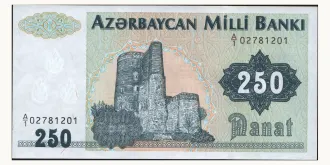
Russian and Soviet Banknotes: Complete History from Empire to Hyperinflation (1769–1991)
Introduction
Russian and Soviet banknotes represent one of the richest and most complex monetary histories in the world. Spanning more than two centuries, from the first assignats of the Russian Empire to the standardized issues of the Soviet Union, these banknotes reflect political revolutions, economic crises, ideological transformations, and cultural identity.
For collectors, historians, and investors, Russian paper money offers a unique combination of rarity, diversity, and historical depth. Unlike many Western currencies, Russian banknotes evolved through extreme instability, including wars, revolutions, and hyperinflation. This makes them not only collectible items but also primary historical documents.
This guide explores the complete evolution of Russian and Soviet banknotes from 1769 to 1991. It explains the origins of paper money in the Russian Empire, the collapse of the monetary system during the Revolution, the chaotic period of Civil War currencies, and the eventual stabilization under the Soviet regime.
In addition, this article provides practical insights for collectors, including how to identify banknotes using Pick numbers, what factors influence value, and which periods are most востребованные in the global numismatic market.
Origins of Russian Paper Money (1769–1850)
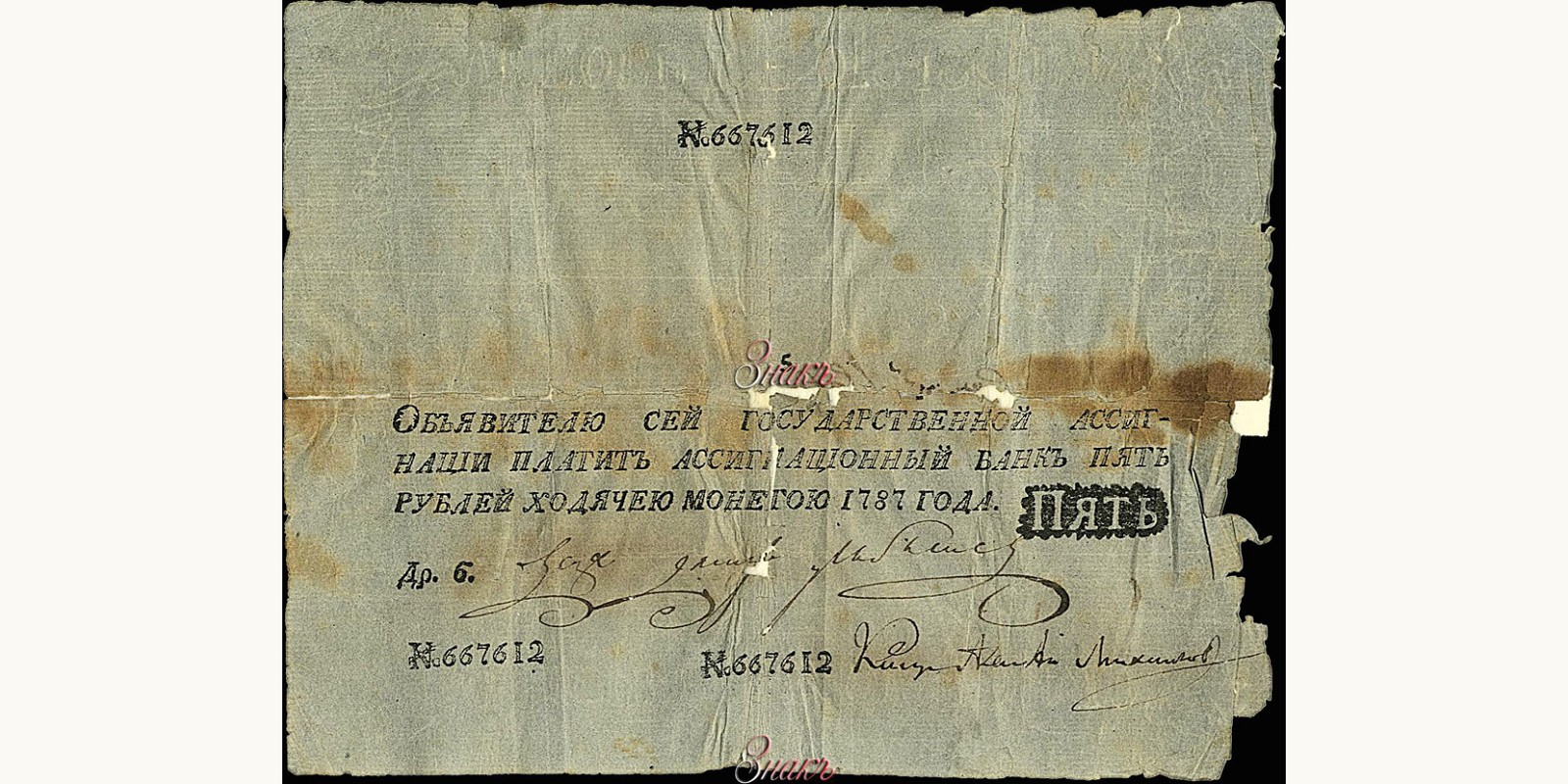
The introduction of paper money in Russia began in 1769 during the reign of Catherine the Great. These early banknotes, known as assignats, were created to finance state expenditures and reduce the need for metal coins.
Assignats were initially backed by copper reserves, but over time their value became unstable due to overproduction. Counterfeiting also became a major problem, as early printing techniques were relatively simple and easy to replicate.
Despite these challenges, assignats played a crucial role in expanding trade and simplifying transactions across the vast Russian Empire. They marked the transition from a coin-based economy to a more flexible monetary system.
During the early 19th century, reforms were introduced to stabilize the currency. Assignats were gradually replaced by more reliable credit notes, which offered improved security features and greater public trust.
Golden Age of Imperial Banknotes (1850–1914)
The second half of the 19th century is often considered the golden age of Russian banknotes. During this period, the empire developed a sophisticated financial system supported by strong institutions and improved printing technology.
One of the most important milestones was the introduction of the gold standard in 1897. This reform stabilized the ruble and increased confidence in paper money. Banknotes issued during this period, especially the 1898 series, are among the most recognizable and widely collected today.
Imperial banknotes featured intricate designs, detailed engravings, and high-quality paper. They often included portraits, allegorical figures, and imperial symbols such as the double-headed eagle.
These notes were not only functional but also artistic masterpieces. Their aesthetic appeal continues to attract collectors around the world.
World War I and Monetary Instability
The outbreak of World War I in 1914 marked the beginning of economic decline for the Russian Empire. Massive military spending led to increased money printing, which in turn caused inflation.
As the war progressed, confidence in the ruble weakened. The gold standard was effectively abandoned, and the value of paper money declined rapidly.
This period laid the groundwork for the financial chaos that would follow during the Revolution of 1917.
Revolution and Collapse (1917)
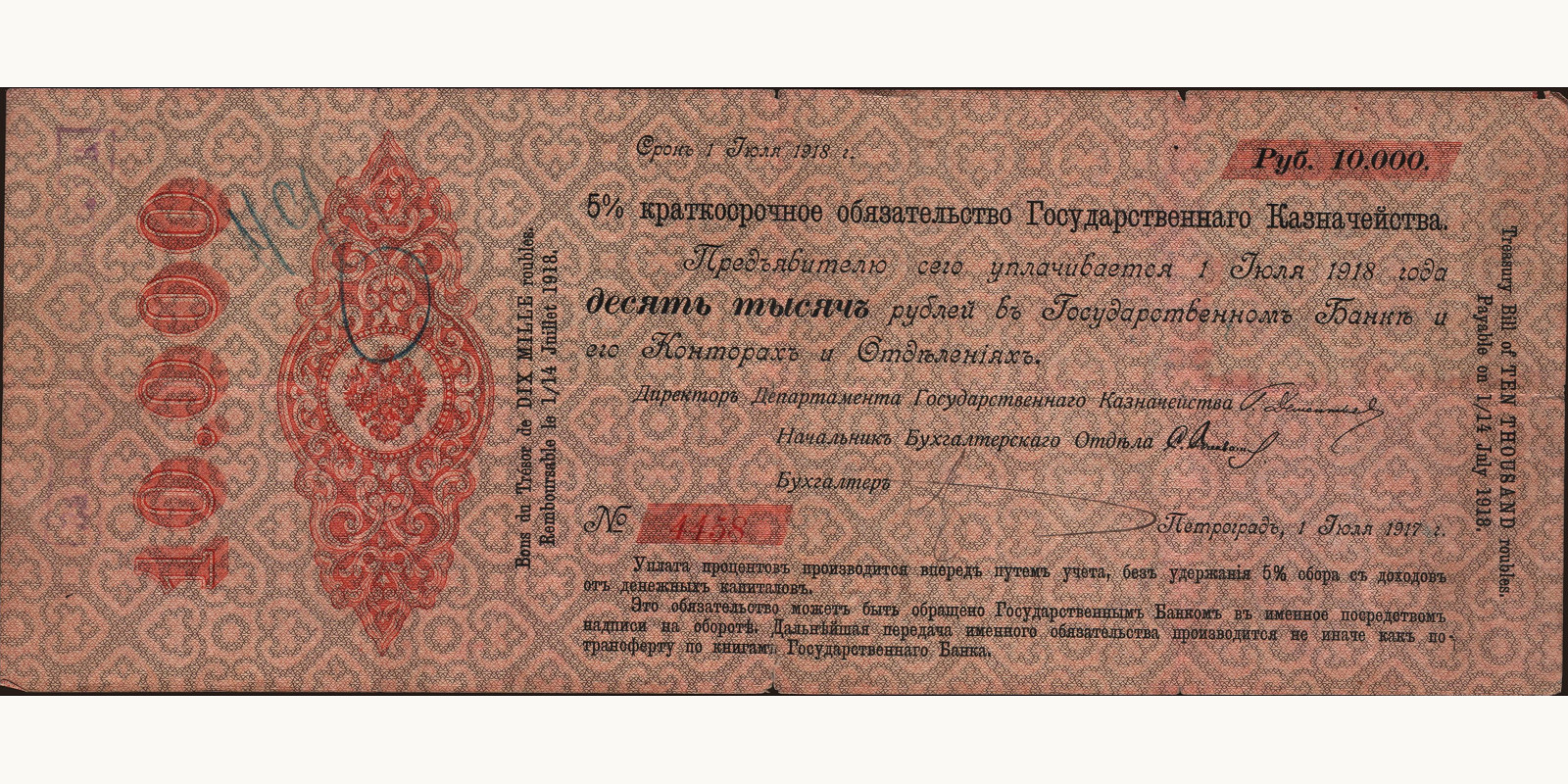
The Russian Revolution of 1917 resulted in the سقوط of the imperial government and the emergence of new political forces. Both the Provisional Government and the Bolsheviks issued their own banknotes, leading to a fragmented and unstable monetary system.
Multiple currencies circulated simultaneously, including imperial notes, provisional issues, and early Soviet emissions. This created confusion and undermined public trust in money.
Inflation accelerated as authorities printed more banknotes to finance their activities. The monetary system effectively collapsed, paving the way for hyperinflation.
Civil War Banknotes (1917–1923)
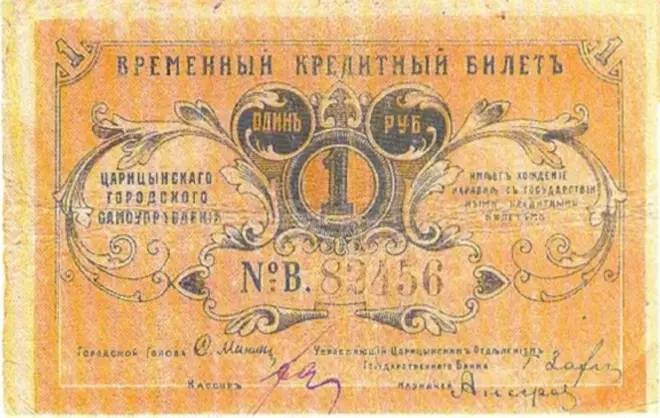
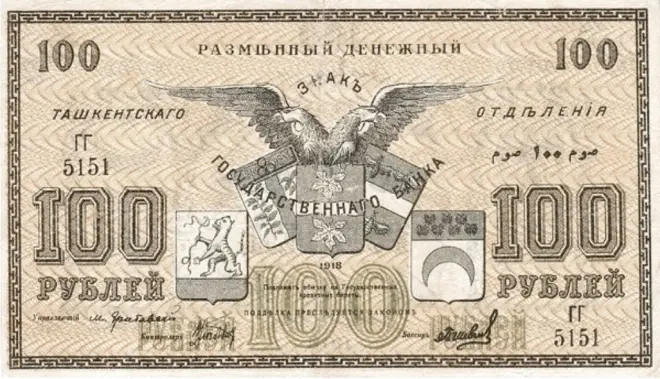
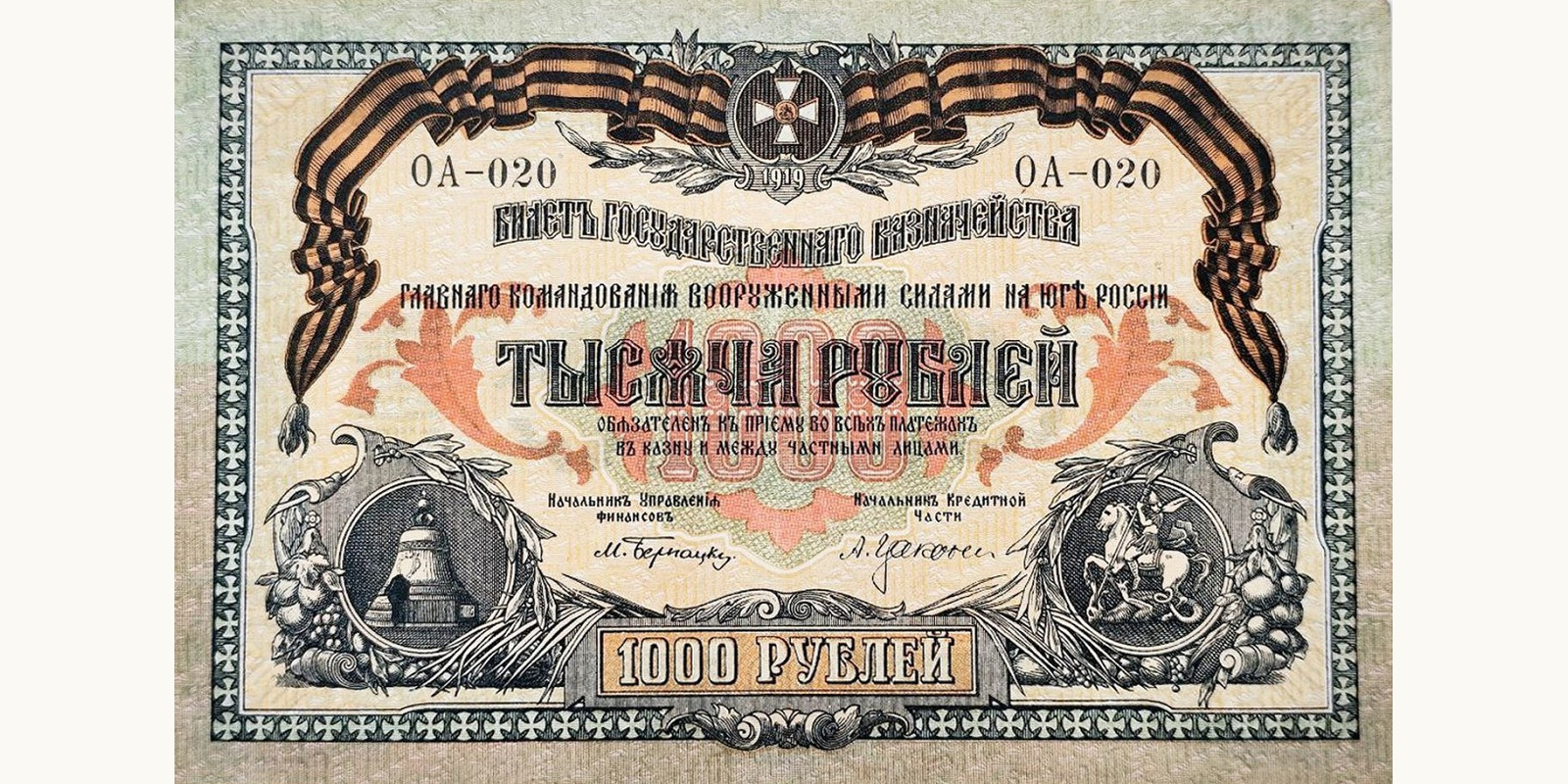
The Russian Civil War produced one of the most diverse and chaotic sets of banknotes in history. Various factions, including the Red Army, White Army, and regional governments, issued their own currencies.
These emergency banknotes were often produced under difficult conditions, resulting in wide variations in quality and design. Some were printed on low-quality paper, while others were overprinted on existing notes.
For collectors, Civil War banknotes are highly desirable due to their rarity and historical significance. However, they are also challenging to classify, as many issues lack proper documentation.
This period offers a unique opportunity to study the relationship between political fragmentation and monetary systems.
Why Civil War Banknotes Are So Important for Collectors
Civil War banknotes represent one of the most complex and diverse areas of collecting.
Different regions issued their own currencies, often with unique banknote design and limited print runs.
This makes them highly collectible and often rare.
Collectors interested in civil war banknotes value and rare local issues often focus on this period due to its historical significance and scarcity.
Hyperinflation Crisis (1917–1924)
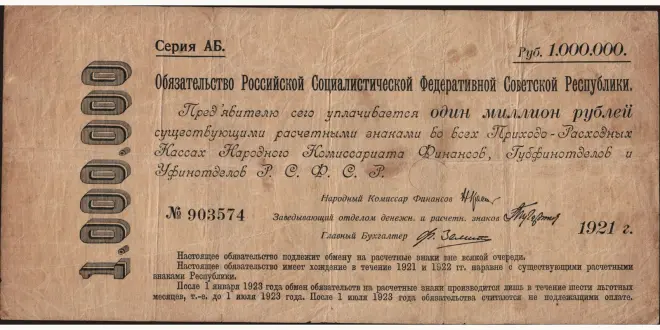
Hyperinflation during and after the Civil War reached extreme levels. The value of the ruble collapsed, and prices rose exponentially.
Banknotes with increasingly high denominations were introduced, including millions and billions of rubles. In many cases, these notes lost value almost immediately after being issued.
People turned to barter or foreign currencies as more reliable alternatives. The monetary system was in complete disarray.
The Soviet government eventually introduced reforms, including the chervonets, which was backed by gold and helped restore confidence.
Soviet Monetary System (1922–1991)
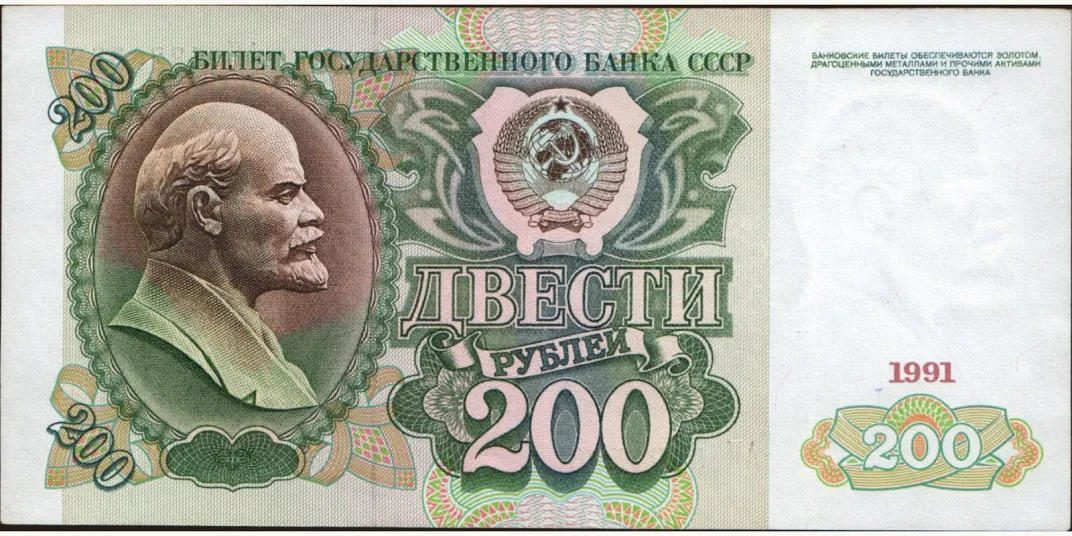
Following the chaos of the Civil War, the Soviet Union established a centralized and controlled monetary system. Banknotes became standardized and reflected socialist ideology.
Key reforms included the 1947 currency reform, which aimed to eliminate excess money, and the 1961 reform, which introduced new denominations and designs.
Soviet banknotes often depicted workers, farmers, and industrial achievements. They emphasized collective values rather than individual leadership.
By the later decades of the Soviet Union, the currency system was relatively stable, although economic inefficiencies persisted.
Design and Symbolism
The design of Russian and Soviet banknotes reflects broader cultural and political trends. Imperial notes emphasized tradition and authority, while Soviet notes focused on ideology and progress.
Symbols such as the hammer and sickle, industrial scenes, and portraits of workers were common in Soviet designs. These elements served as tools of propaganda as well as artistic expression.
Collectors often analyze these features to better understand the historical context of each banknote.
Collecting Guide
Collecting Russian and Soviet banknotes offers opportunities for both beginners and advanced collectors. Common Soviet issues are affordable and widely available, while rare Civil War notes can be highly valuable.
Pick numbers are essential for identifying and cataloging banknotes. They provide a standardized reference system used globally.
Factors influencing value include rarity, condition, historical significance, and demand. Notes from periods of instability often command higher prices.
Which Russian and Soviet Banknotes Are Most Valuable
Not all Russian and Soviet banknotes have the same value. While many Soviet issues are common, certain categories are highly collectible.
Imperial banknotes from the late 19th century, especially high-denomination notes and uncirculated examples, are among the most valuable.
Civil War banknotes are often rare due to limited production and regional circulation. Some local issues can be extremely difficult to find.
Early Soviet banknotes from the hyperinflation period also attract collectors due to their historical significance.
Collectors searching for Russian Empire banknotes value or soviet banknotes worth should focus on rarity, condition, and historical context.
Understanding Pick Numbers and Identification
Pick numbers are the most widely used system for identifying banknotes worldwide.
Each banknote is assigned a unique number in the Standard Catalog of World Paper Money. This allows collectors to accurately identify and compare notes.
For Russian and Soviet banknotes, Pick numbers are essential due to the large number of variations.
Collectors often search by Pick number when buying or selling banknotes, making it a critical element for SEO and usability.
Professional Collector Insights
Experienced collectors approach Russian and Soviet banknotes strategically.
They often focus on specific periods such as the Imperial era or Civil War.
Others specialize in high-grade notes or rare design variations.
Tracking auction results and market trends helps identify undervalued banknotes with strong potential.
Conclusion
Russian and Soviet banknotes provide a comprehensive view of a nation's history. From imperial stability to revolutionary chaos and socialist reconstruction, these banknotes document a unique economic journey.
For collectors, they offer both aesthetic beauty and historical depth. For historians, they serve as valuable primary sources.
Understanding this evolution allows for a deeper appreciation of both the currency and the country it represents.
| First paper money Russia | 1769 |
|---|---|
| Gold standard | 1897 |
| Revolution | 1917 |
| Civil War | 1917–1923 |
| Hyperinflation peak | 1920s |
| Soviet reform | 1961 |
What are Russian Empire banknotes
Banknotes issued before 1917
What is Soviet currency
Ruble
Why are Civil War notes rare
Limited local issues
What caused hyperinflation
Excessive money printing
What are Pick numbers
Standard catalog identifiers
Which Russian banknotes are rare
Imperial and Civil War issues are rare
Are Soviet banknotes valuable
Some rare issues have high value
How to find Pick numbers
Use Standard Catalog of World Paper Money
What are most collectible periods
Empire and Civil War
Can Soviet notes increase in value
Yes, especially rare issues
Related Articles