Hyperinflation Explained: Ultimate ULTRA Guide to Causes, Historical Cases, Banknotes, Extreme Currency Collapse, Values and Collecting Strategy
Introduction
Hyperinflation is one of the most extreme and destructive economic phenomena in modern history. It occurs when the value of money collapses rapidly, leading to uncontrollable price increases and a breakdown of the financial system.
Unlike normal inflation, which occurs gradually, hyperinflation can destroy an economy within months or even weeks. Prices can double daily, wages lose meaning, and people abandon national currency in favor of goods or foreign money.
For collectors, hyperinflation banknotes are among the most fascinating artifacts. They represent moments of crisis, economic collapse, and political instability. Searches such as hyperinflation banknotes value, germany 1923 inflation money, zimbabwe trillion dollars, and extreme currency collapse continue to grow.
This article provides a complete ULTRA-level overview including causes, famous cases, banknote characteristics, value analysis, and professional collecting strategies.
What is Hyperinflation
Hyperinflation is typically defined as inflation exceeding 50 percent per month. At this level, money loses its function as a store of value and medium of exchange.
In hyperinflation environments, prices increase so rapidly that people rush to spend money immediately. Savings become worthless, and economic planning becomes impossible.
Hyperinflation often leads to social unrest, political instability, and the collapse of financial institutions.

Core Causes of Hyperinflation
Hyperinflation does not occur randomly. It is usually the result of several combined factors.
The most important cause is excessive money printing. Governments increase the money supply to cover deficits, especially during war or economic crisis.
Another key factor is loss of confidence. When people stop trusting a currency, they try to exchange it for goods or foreign money, accelerating inflation.
Other causes include economic collapse, political instability, and failure of fiscal policy.
Why Hyperinflation Becomes Uncontrollable
Hyperinflation becomes uncontrollable when economic mechanisms stop functioning normally. At early stages, inflation can still be managed through monetary policy. However, once trust in currency collapses, the situation escalates rapidly.
People begin to spend money immediately after receiving it, which increases the velocity of money circulation. Businesses adjust prices multiple times per day, and wages lose real meaning.
At this stage, governments often respond by printing even more money, which accelerates the collapse. This creates a feedback loop where inflation feeds itself.
This explains why hyperinflation banknotes often reach extreme denominations such as millions, billions, and trillions.
Germany 1923 Hyperinflation Case Study
Germany’s hyperinflation in 1923 is one of the most famous examples in history.
After World War I, Germany faced heavy reparations and economic pressure. The government printed large amounts of money to meet obligations.
As a result, prices increased dramatically. Banknotes reached denominations of millions, billions, and even trillions of marks.
Workers were paid multiple times per day because money lost value within hours. People used banknotes as fuel or wallpaper because they were cheaper than basic goods.
Today, collectors search for germany 1923 banknotes value and weimar hyperinflation currency.
Zimbabwe Hyperinflation Case Study
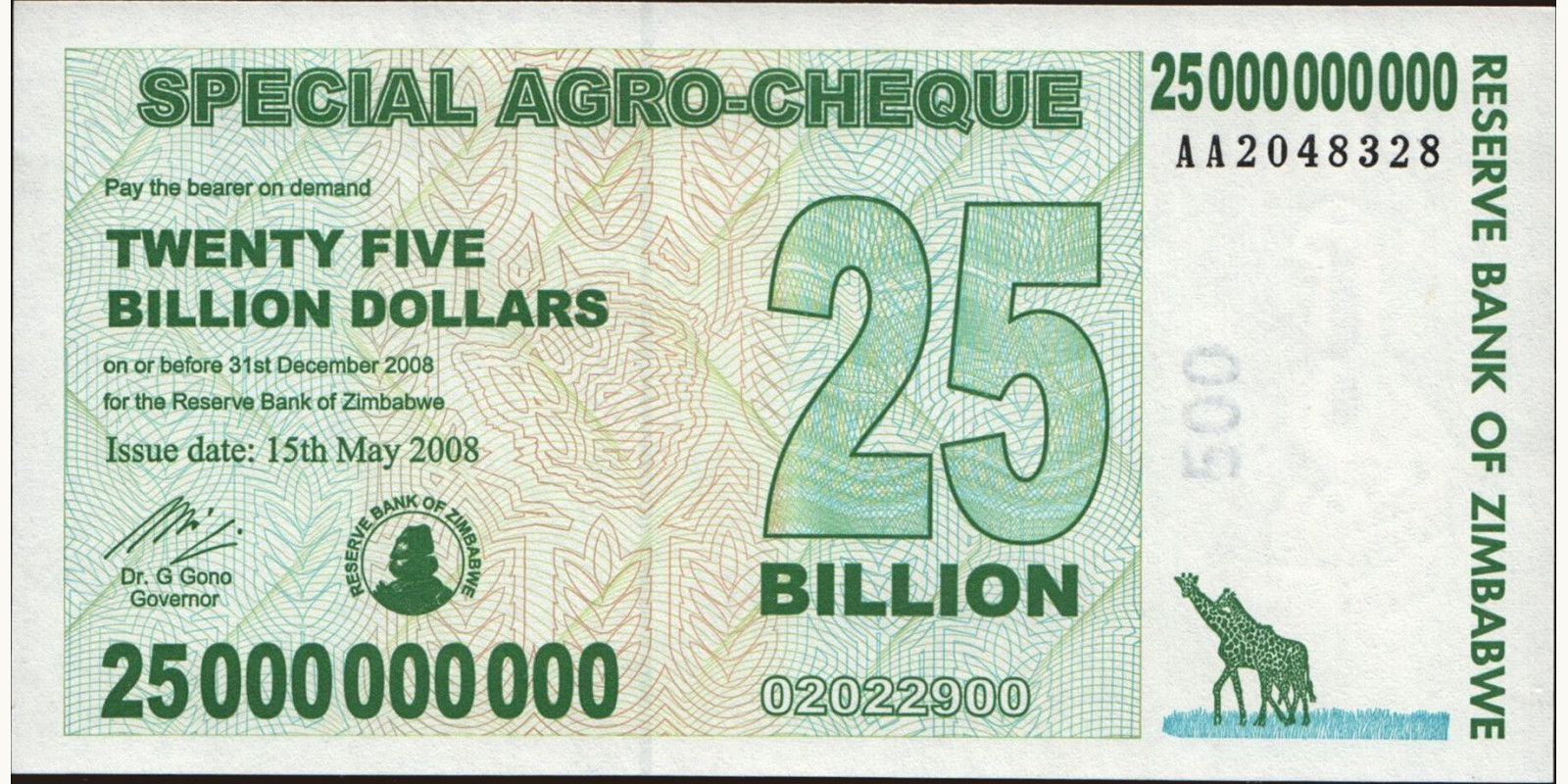
Zimbabwe experienced one of the most extreme hyperinflation events in the 2000s.
Government policies, economic decline, and excessive money printing led to rapid currency collapse.
Banknotes reached denominations of 100 trillion dollars. These notes are now widely collected due to their uniqueness and historical importance.
Zimbabwe banknotes are among the most recognizable hyperinflation currency examples.

Additional Hyperinflation Cases
While Germany and Zimbabwe are the most well-known examples, other countries experienced extreme inflation.
Hungary in 1946 holds the record for the most severe hyperinflation ever recorded. The pengő currency reached unimaginable values before being replaced.
Yugoslavia in the 1990s experienced rapid inflation during political instability.
Venezuela in the 2010s provides a modern example of hyperinflation caused by economic mismanagement.
These cases expand the range of collectible hyperinflation banknotes.
Hyperinflation Banknotes and Their Characteristics
Hyperinflation banknotes are easy to identify due to their extremely high denominations.
They are often printed quickly and may lack quality. Designs can be simple or reused from previous issues.
Despite their low original value, these banknotes are historically important and highly collectible.
Collectors often search for high denomination banknotes and inflation currency examples.
Value of Hyperinflation Banknotes Today
Most hyperinflation banknotes are affordable, making them ideal for beginners.
However, certain notes can be valuable depending on rarity, condition, and historical significance.
Uncirculated notes, rare denominations, and early issues tend to have higher value.
Search queries include hyperinflation banknotes value today and rare inflation currency.
Which Hyperinflation Banknotes Are Most Valuable
Not all hyperinflation banknotes have the same value. While many are inexpensive, certain categories are highly collectible.
The most valuable include early issues, rare denominations, and uncirculated examples.
German 1923 banknotes with rare variations and Zimbabwe high-quality notes are especially popular among collectors.
Collectors focus on rarity rather than denomination size.
Collector Strategy
Collectors can approach hyperinflation banknotes in several ways.
Some focus on specific countries such as Germany or Zimbabwe. Others collect based on denomination size or historical period.
Building a thematic collection of hyperinflation events is also a popular strategy.
Understanding historical context is essential for serious collectors.
Advanced Collecting Strategies
Serious collectors often build advanced thematic collections.
One strategy is to collect multiple countries that experienced hyperinflation. Another is to track denomination growth within a single inflation event.
Collectors also focus on rare print variations and error notes.
These strategies help identify undervalued banknotes with strong potential.
Investment Potential
Hyperinflation banknotes offer niche investment opportunities.
While many are inexpensive, rare examples can increase in value over time.
Growing interest in economic history supports long-term demand.
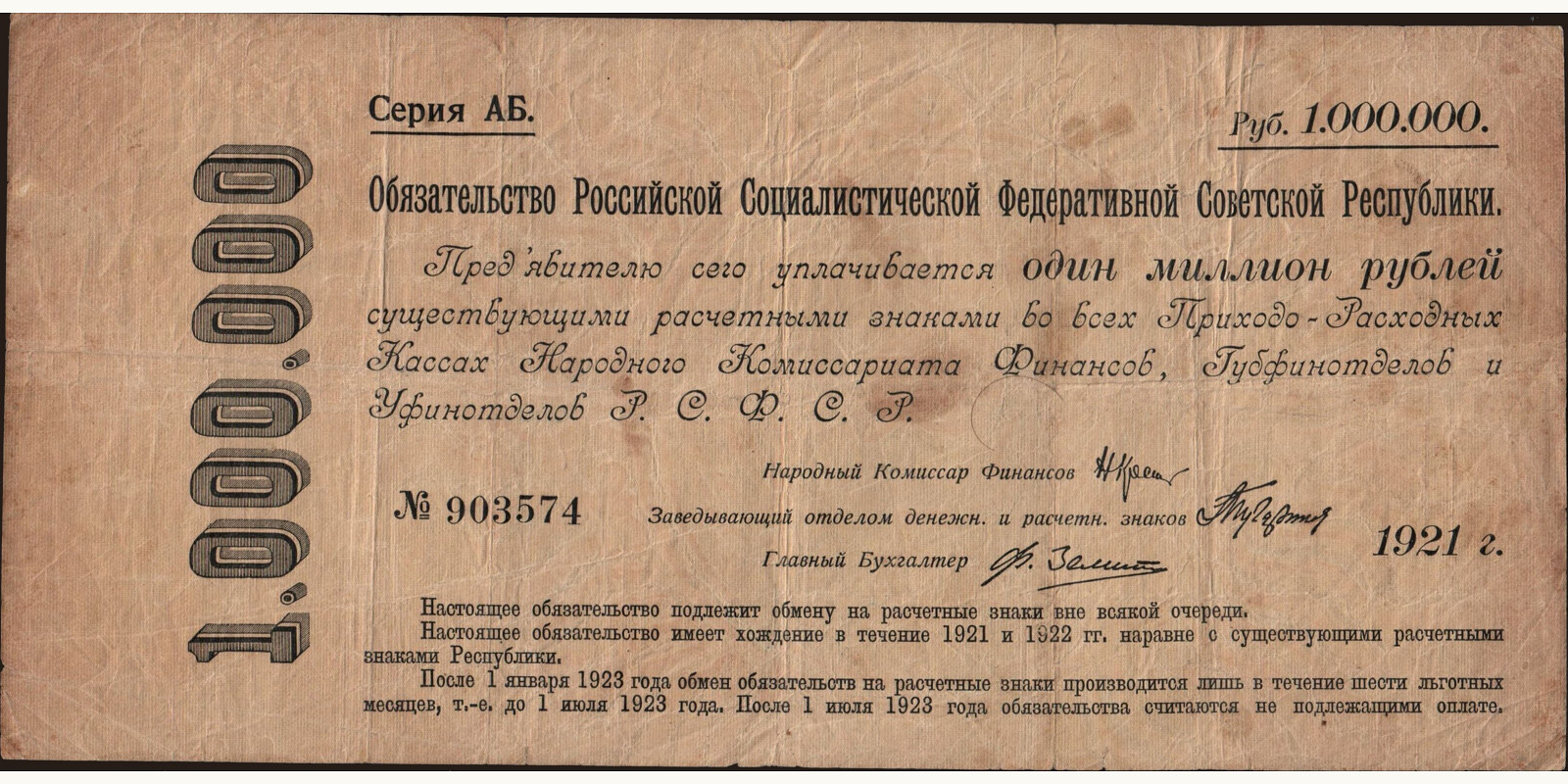
Connection to Civil War and Soviet Currency
Hyperinflation is closely connected to Civil War money and early Soviet banknotes.
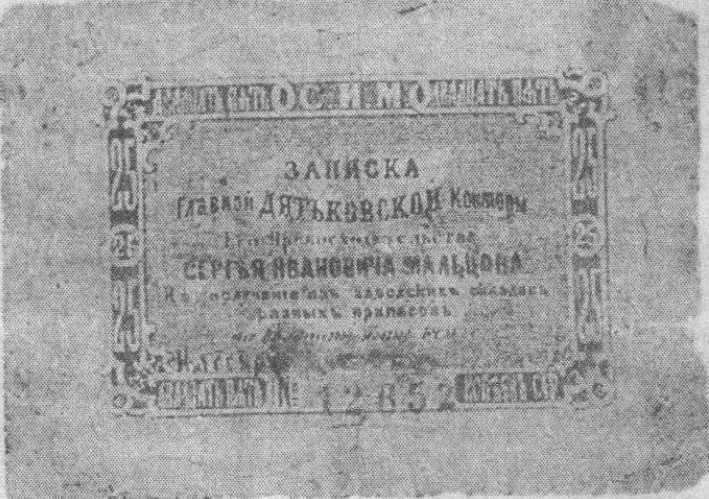
The Russian Civil War period experienced similar monetary instability, with multiple currencies and rapid devaluation.
Understanding these connections helps collectors build a complete historical perspective.
Conclusion
Hyperinflation represents the ultimate failure of a monetary system.
Its banknotes serve as powerful historical evidence of economic collapse, political instability, and human adaptation.
For collectors, they offer accessibility, diversity, and deep historical meaning. For historians, they provide insight into how and why financial systems fail.
| Definition | Inflation above 50 percent per month |
|---|---|
| Famous case | Germany 1923 |
| Extreme case | Zimbabwe 2000s |
| Common cause | Excess money printing |
| Effect | Currency collapse |
What is hyperinflation
Extreme and rapid inflation
Why does hyperinflation happen
Excess money printing and loss of confidence
Which country had worst hyperinflation
Hungary and Zimbabwe
Are hyperinflation banknotes valuable
Some rare ones are valuable
Why are denominations so high
Currency loses value quickly
Can hyperinflation happen again
Yes in unstable economies
Where to buy hyperinflation banknotes
Auctions and collectors markets
Are they good for beginners
Yes due to low cost
Which hyperinflation notes are rare
Early issues and limited print runs
Can they grow in value
Yes, especially rare notes
Related Articles