Banknote Design and Symbolism: Ultimate ULTRA Guide to Security Features, Cultural Meaning, Art, and Collecting Value
Introduction
Banknote design is far more than simple decoration. Every element printed on a banknote serves a specific purpose, combining security, national identity, political messaging, and artistic expression. From portraits and monuments to colors and hidden features, banknotes represent a country's history, values, and economic system.
For collectors, banknote design is one of the most important aspects of numismatics. Many collectors search for banknote design meaning, currency symbolism, security features banknotes, and rare banknote design elements.
This article provides a complete ULTRA-level guide to banknote design, including symbolism, security features, artistic styles, and collecting strategies.
Purpose of Banknote Design
Banknote design serves multiple functions. The primary purpose is security, ensuring that banknotes are difficult to counterfeit. Governments invest heavily in advanced printing techniques, special inks, and complex patterns.
Another important function is communication. Banknotes often display national heroes, historical events, cultural symbols, and landmarks. These elements help reinforce national identity.
Design also influences usability. Colors, sizes, and layouts make it easier for people to distinguish denominations.
For collectors, understanding these purposes helps evaluate both aesthetic and monetary value.
Key Elements of Banknote Design
Modern and historical banknotes share several core design elements.
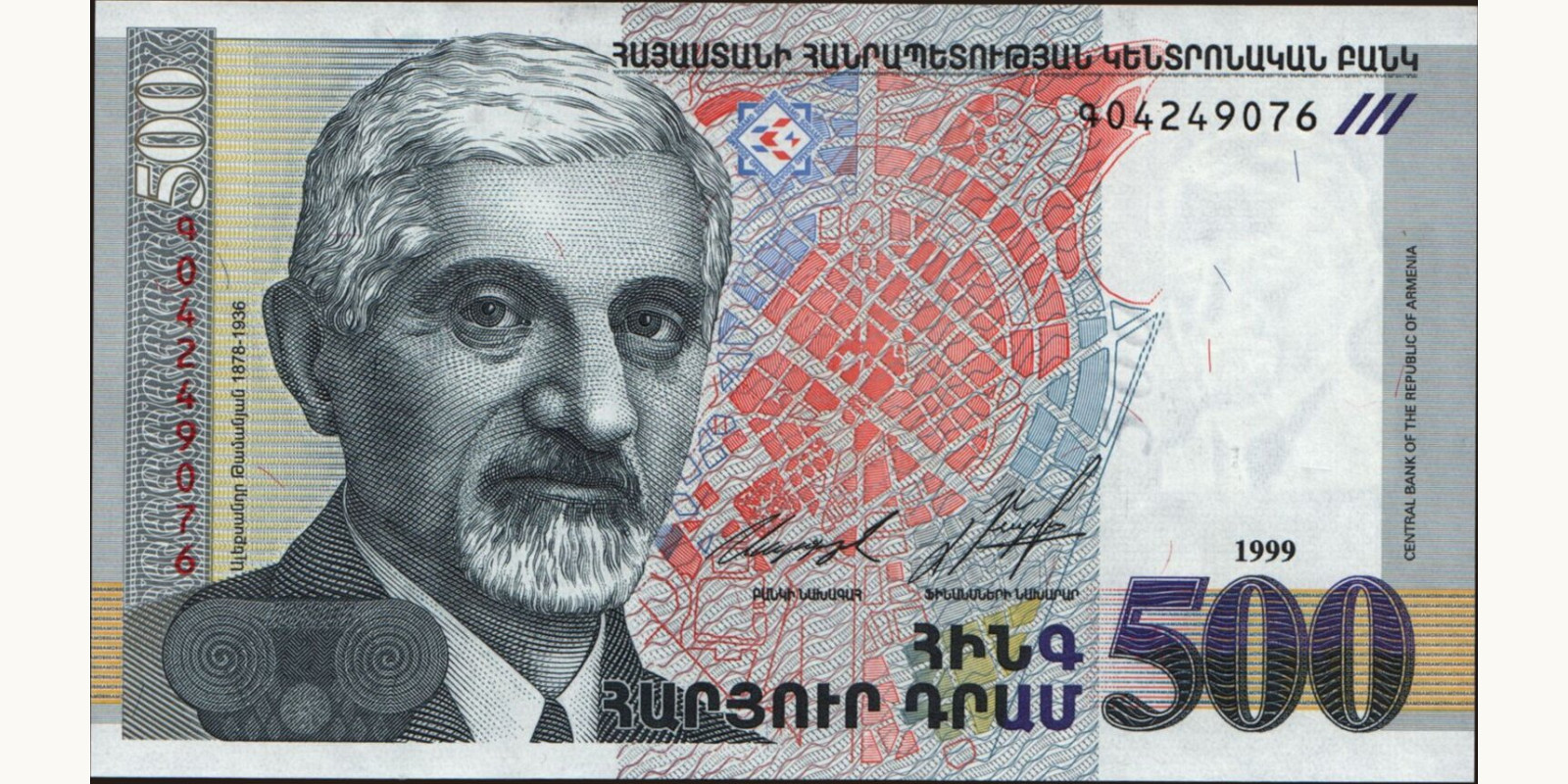
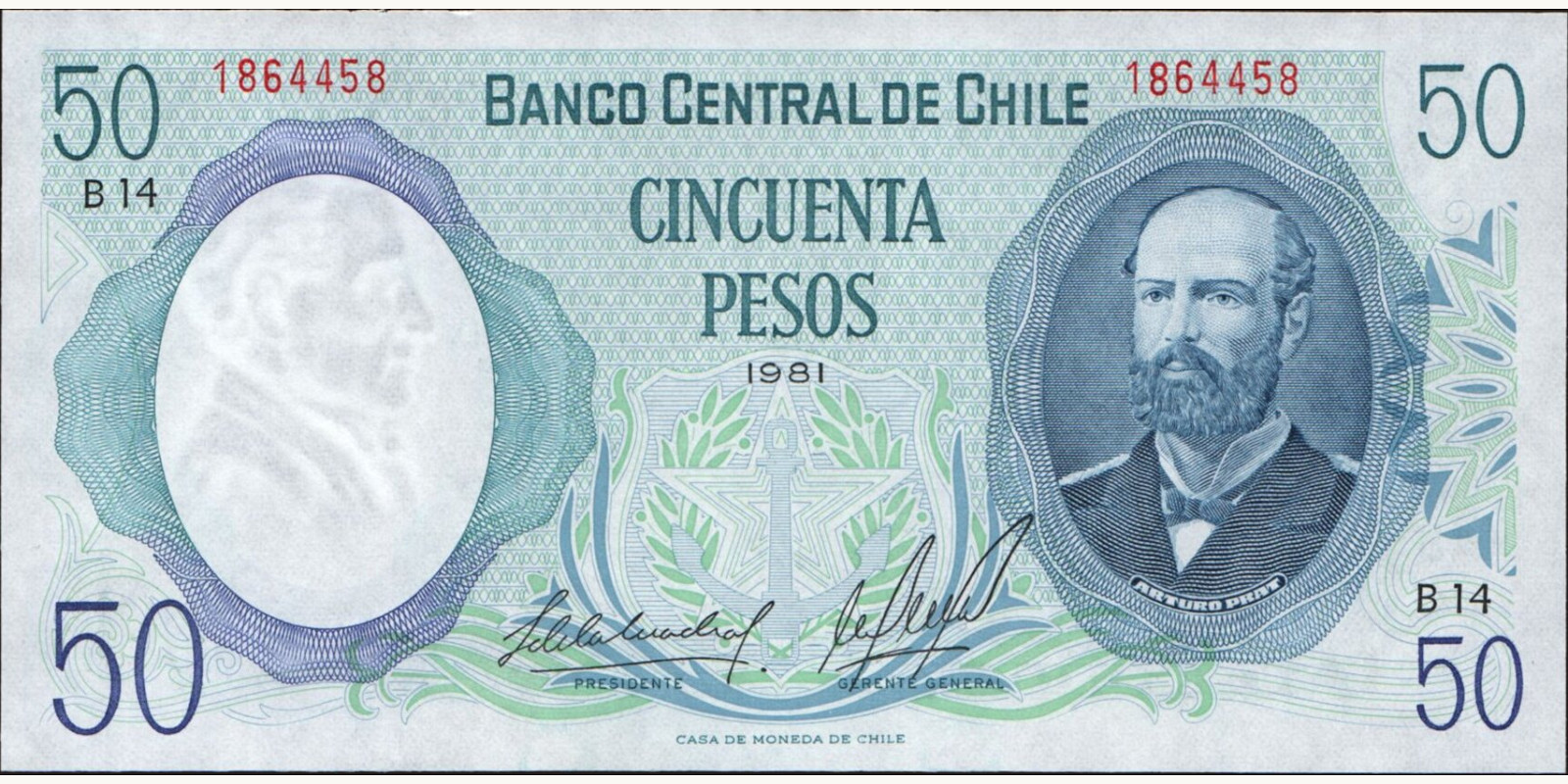
Portraits are among the most common features. These usually represent national leaders, historical figures, or important cultural icons.
Architectural landmarks such as bridges, buildings, and monuments are often included to symbolize national achievements.
Text elements provide information such as denomination, issuing authority, and legal statements.
Patterns and guilloches are complex line designs that serve both decorative and security purposes.
Each element is carefully chosen to balance aesthetics and functionality.
Symbolism in Banknotes
Symbolism plays a central role in banknote design. Every image and color can carry deeper meaning.
For example, agricultural scenes may represent economic stability, while industrial imagery reflects progress and modernization.
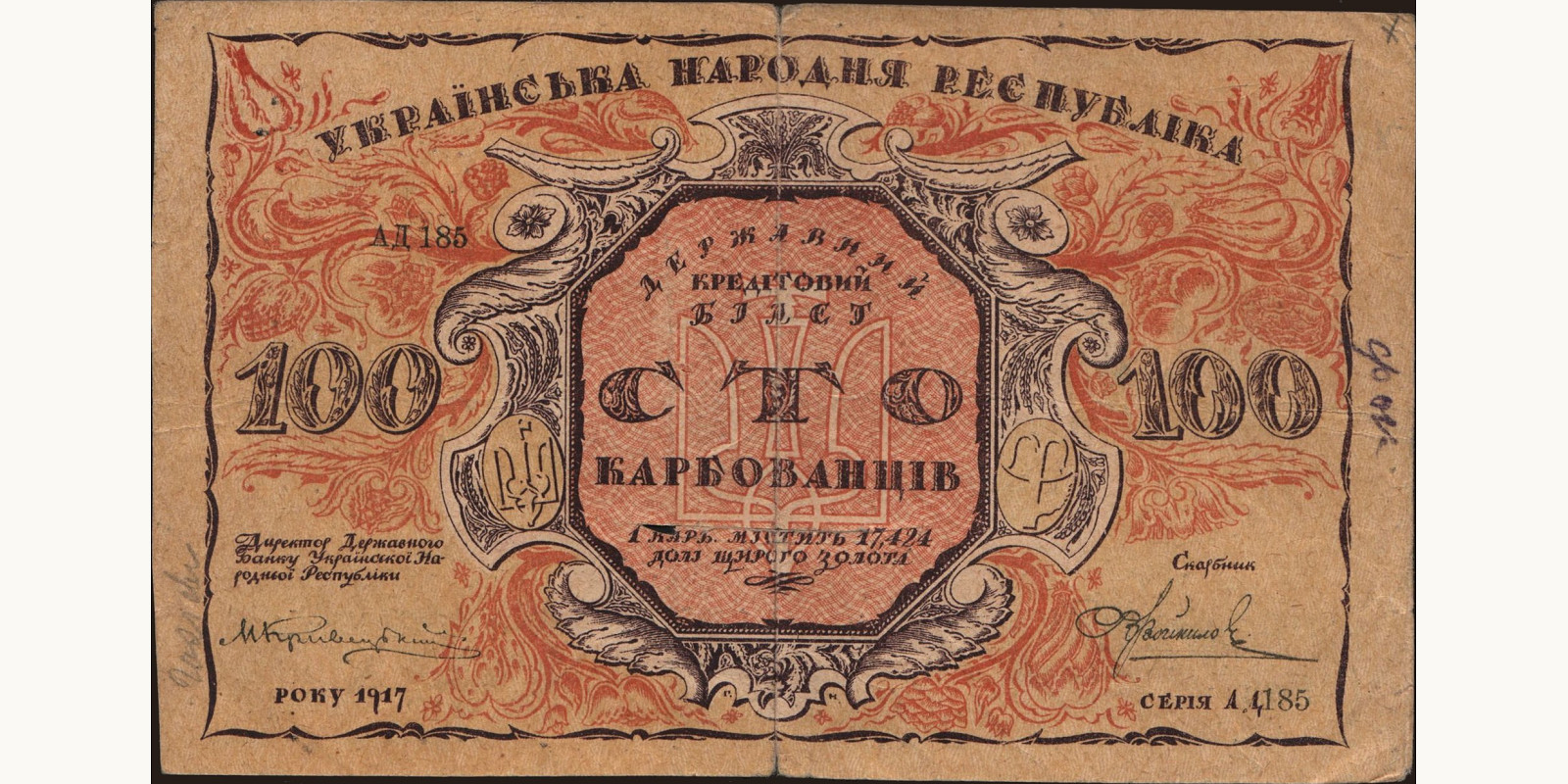
National symbols such as coats of arms, flags, or emblems reinforce identity and sovereignty.
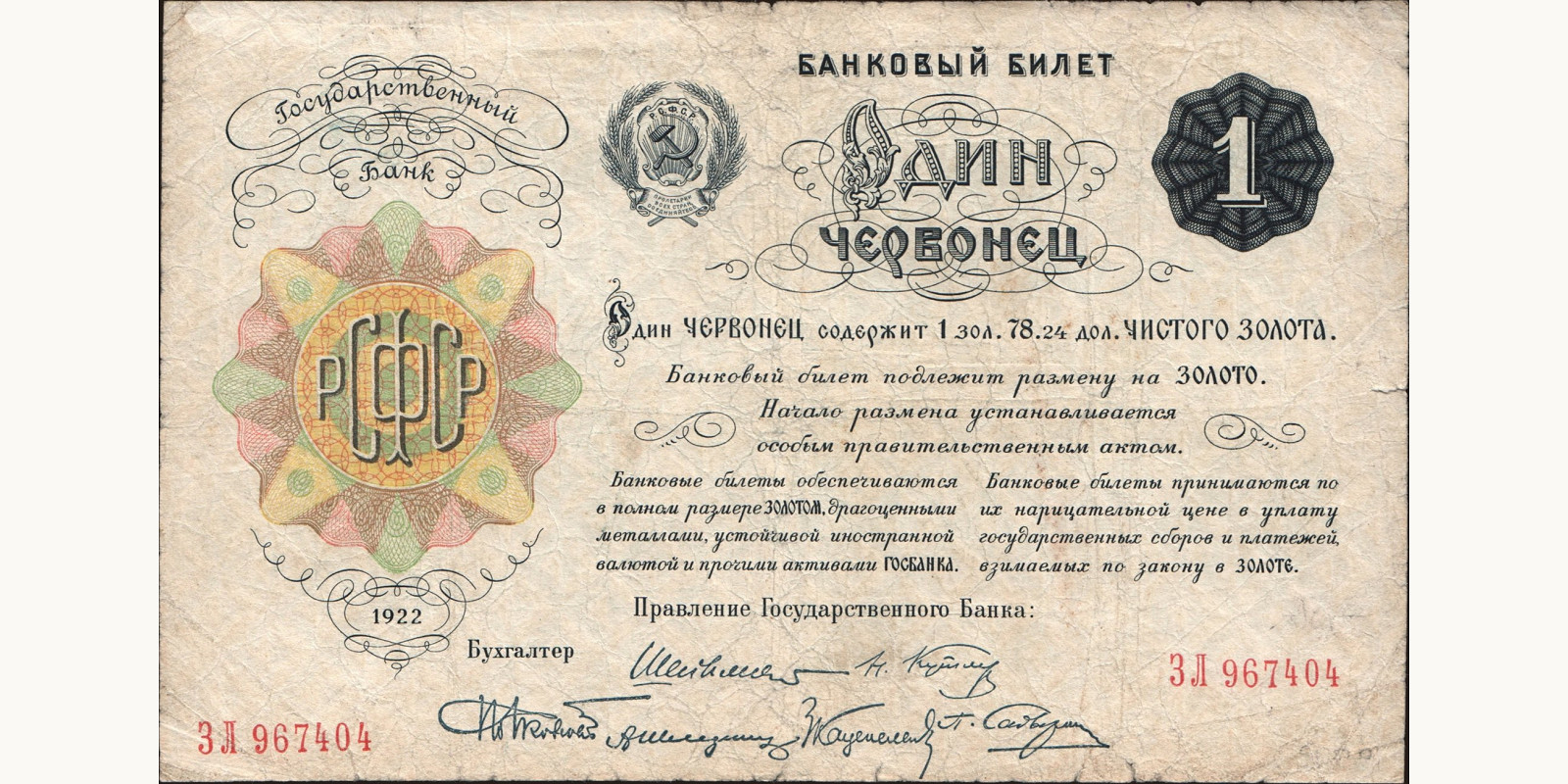
In socialist systems, banknotes often feature workers and factories, emphasizing collective effort and ideology.
Understanding symbolism helps collectors interpret the historical and political context of a banknote.
Color and Composition
Color is not chosen randomly in banknote design. Different denominations often use distinct colors to improve recognition.
Warm colors such as red and orange may indicate higher denominations, while cooler colors are used for smaller values.
Composition is also critical. Designers carefully arrange elements to create balance and prevent counterfeiting.
The use of symmetry, alignment, and spacing contributes to both security and visual appeal.
Security Features in Banknotes
Security is one of the most important aspects of banknote design.
Common features include watermarks, security threads, microprinting, and special inks.
Modern banknotes may include holograms, color-shifting elements, and transparent windows.
These features make counterfeiting extremely difficult and help users verify authenticity.
Collectors often study security features to identify genuine banknotes and detect rare variations.
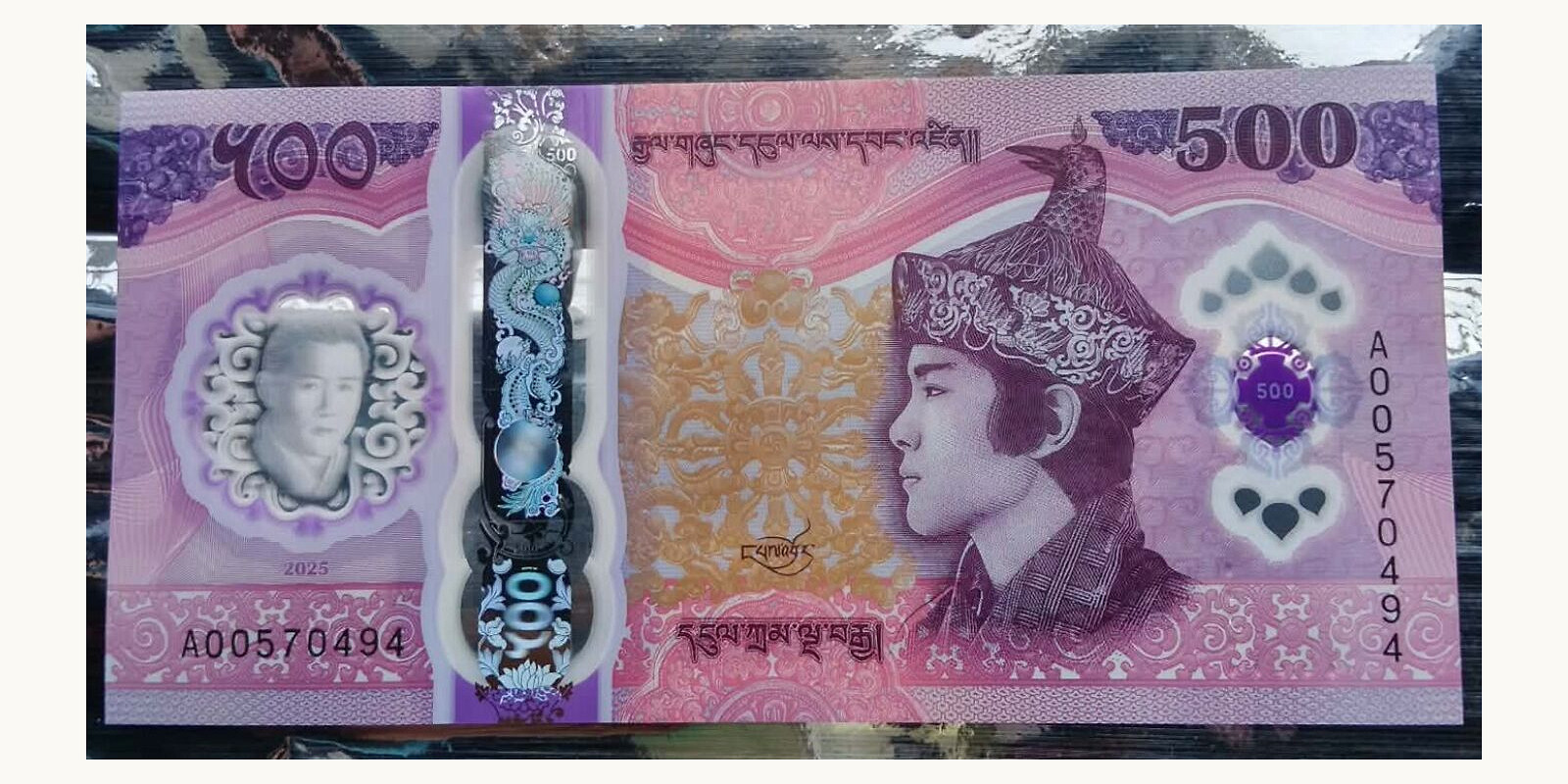
Advanced Security Features Used in Modern Banknotes
Modern banknotes use highly advanced security features that go far beyond traditional methods.
These include color-shifting ink that changes when viewed from different angles, holographic strips with dynamic images, and polymer substrates with transparent windows.
Some banknotes also include tactile features for visually impaired users, ultraviolet elements visible only under special light, and embedded microtext that is almost impossible to replicate.
Collectors often focus on these features because certain variations or printing differences can significantly increase value.
Evolution of Banknote Design
Banknote design has evolved significantly over time.
Early banknotes were simple and focused on basic information. As printing technology improved, designs became more complex.
The introduction of advanced security features transformed banknote production.
Modern banknotes combine traditional artistic elements with cutting-edge technology.
This evolution reflects both technological progress and changing political systems.
Regional Differences in Design
Banknote design varies widely across regions.
European banknotes often emphasize architectural styles and historical continuity.
Asian banknotes frequently incorporate cultural symbols, calligraphy, and traditional art.
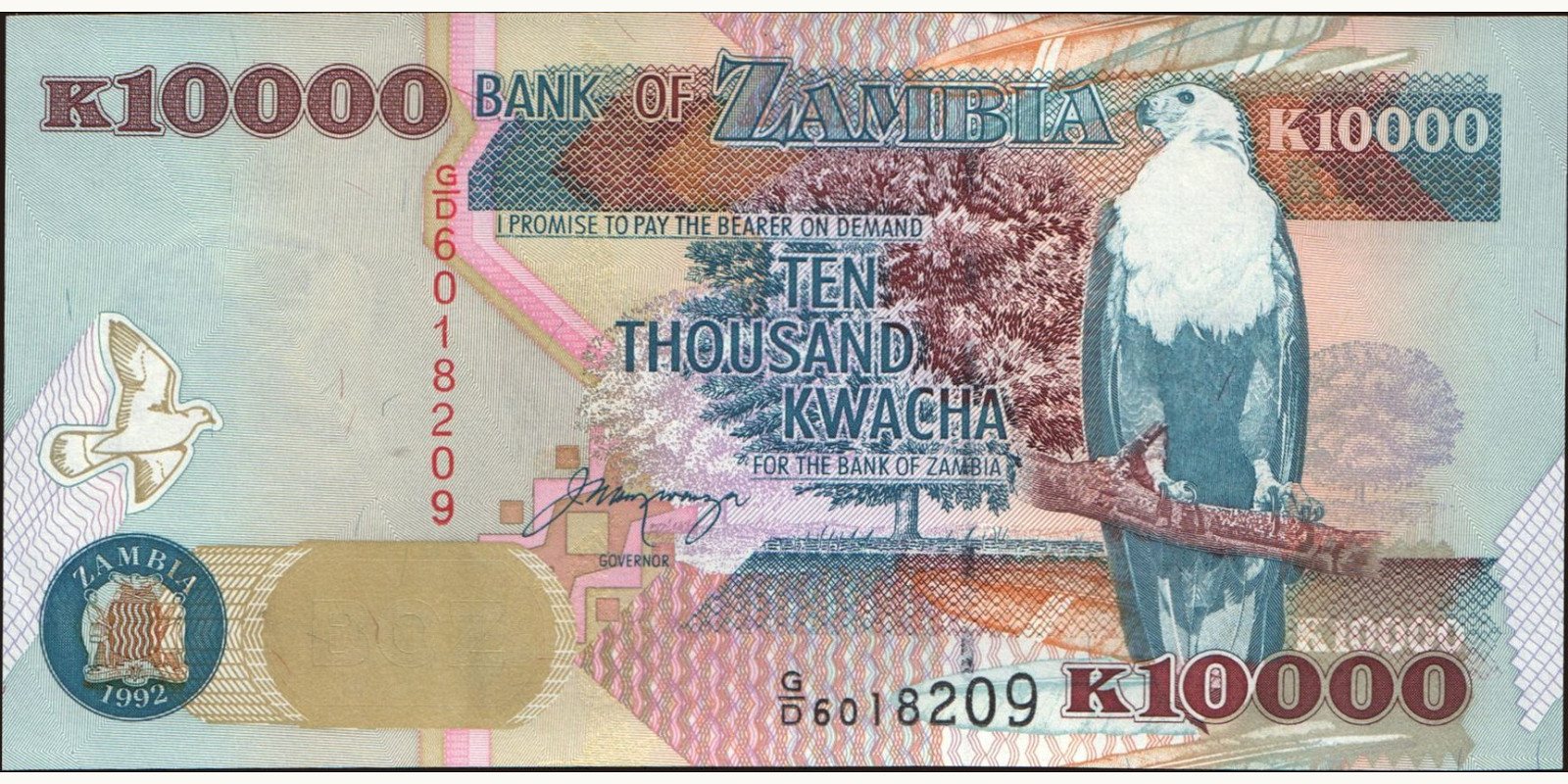
African and Latin American currencies often highlight wildlife, natural landscapes, and national heritage.
These differences make global banknote collecting diverse and interesting.
Banknote Design During Crisis
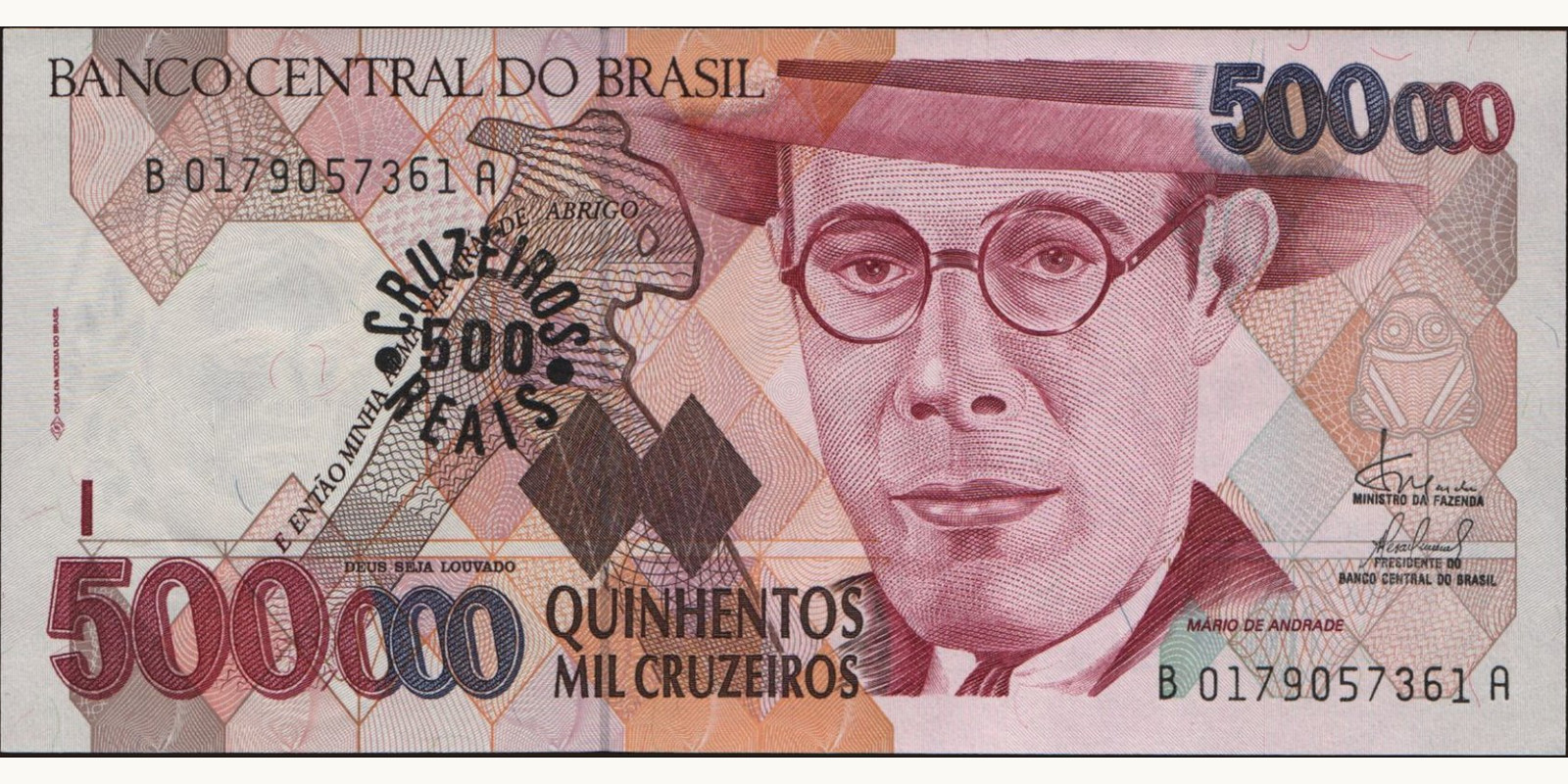
Periods of crisis, such as hyperinflation or war, significantly affect banknote design.
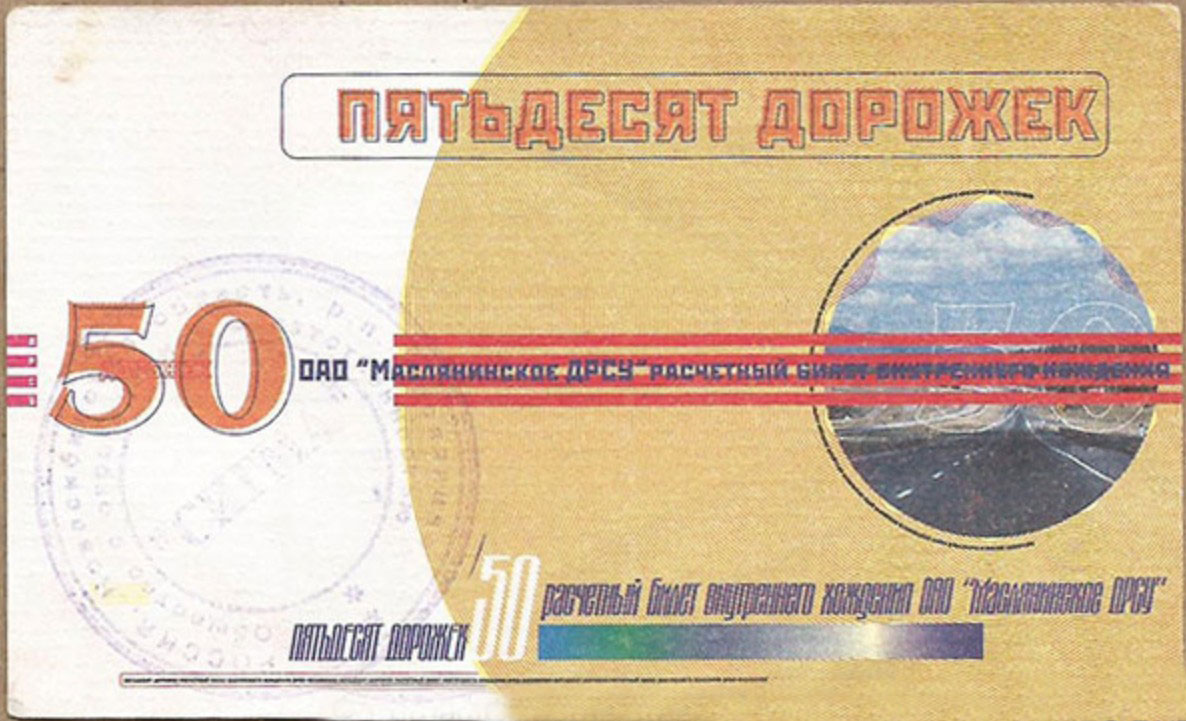
Emergency banknotes are often produced quickly, resulting in simpler designs and lower-quality printing.
In hyperinflation scenarios, denominations increase rapidly, and design becomes secondary to speed of production.
Civil War banknotes often show extreme variation due to decentralized issuing authorities.
These notes are particularly valuable for collectors due to their historical significance.
Artistic Value of Banknotes
Banknotes are considered a form of applied art.
Designers use engraving, typography, and composition to create visually appealing currency.
Some banknotes are highly detailed and resemble works of art.
Collectors often value banknotes not only for rarity but also for artistic quality.
Certain designs are internationally recognized for their beauty and complexity.
Most Beautiful and Unique Banknote Designs
Some banknotes are internationally recognized for their exceptional design.
Collectors often search for the most beautiful banknotes in the world, rare artistic banknote designs, and unique currency artwork.
These notes typically feature detailed engraving, balanced composition, and strong symbolic meaning.
Such banknotes are often more desirable than standard issues, even if their denomination is low.
Rarity and Design Variations
Design variations can significantly affect value.
Differences in signatures, colors, printing errors, or minor design changes can create rare varieties.
Collectors actively search for these variations because they are often undervalued.
Understanding design differences is essential for identifying rare banknotes.
Which Banknote Designs Are Most Valuable
Not all banknote designs have the same value. While many notes are common, certain design characteristics make banknotes highly collectible.
The most valuable banknotes often include rare design variations, printing errors, limited circulation issues, and unique artistic elements.
Collectors actively search for notes with unusual layouts, rare portraits, or discontinued design series.
High-quality engraving and complex composition also increase desirability in the collector market.
Collector Strategy for Design-Based Collecting
Collectors can focus on banknote design in several ways.
Some specialize in specific themes such as portraits or architecture. Others collect by country or historical period.
Another strategy is to collect banknotes based on artistic style or printing technique.
Advanced collectors analyze design variations and security features to identify rare items.
Professional Collector Insights
Experienced collectors evaluate banknote design using several criteria.
These include artistic complexity, printing quality, historical context, and rarity of design variations.
Professional collectors also track trends in the market, identifying which design styles are gaining popularity.
Understanding these factors allows collectors to build high-value collections focused on design rather than just denomination.
Investment Potential
Banknotes with unique design features often have strong investment potential.
Rare designs, limited print runs, and historical significance increase demand.
High-quality and visually appealing banknotes tend to perform better in the collector market.
Understanding design helps investors identify valuable opportunities.
Connection to Other Topics
Banknote design is closely connected to hyperinflation, Civil War money, and Soviet currency.
Each of these areas reflects different design approaches based on economic and political conditions.
Studying these connections provides a deeper understanding of global monetary history.
Conclusion
Banknote design is a complex combination of art, security, and symbolism.
It reflects national identity, economic conditions, and technological development.
For collectors, understanding design is essential for identifying rare and valuable banknotes.
For historians, it provides insight into the evolution of currency and society.
| Main function | Security and identification |
|---|---|
| Key elements | Portraits, symbols, patterns |
| Security features | Watermark, thread, microprint |
| Modern feature | Hologram and color-shifting ink |
| Collector focus | Design variations |
What is banknote design
Visual and functional elements of currency
Why is design important
For security and identity
What are security features
Elements that prevent counterfeiting
Are design variations valuable
Yes, rare ones increase value
What makes a banknote beautiful
Detail, balance and engraving
Can design affect price
Yes, especially rare variations
Do collectors focus on design
Yes, it is a major factor
How to identify rare designs
Compare details and variations
Which banknotes have best design
Notes with complex engraving and symbolism
What are rare banknote designs
Limited issues and printing variations
Do beautiful banknotes cost more
Often yes due to demand
What is guilloche pattern
Complex security line design
Are old banknotes better designed
Often more detailed engraving
How to find rare design notes
Study variations and printing differences
Related Articles