Civil War Money in Russia (1917–1924): Complete ULTRA Guide to Emergency Banknotes, Hyperinflation, Regional Issues, Values, Pick Numbers and Advanced Collecting Strategy
Introduction
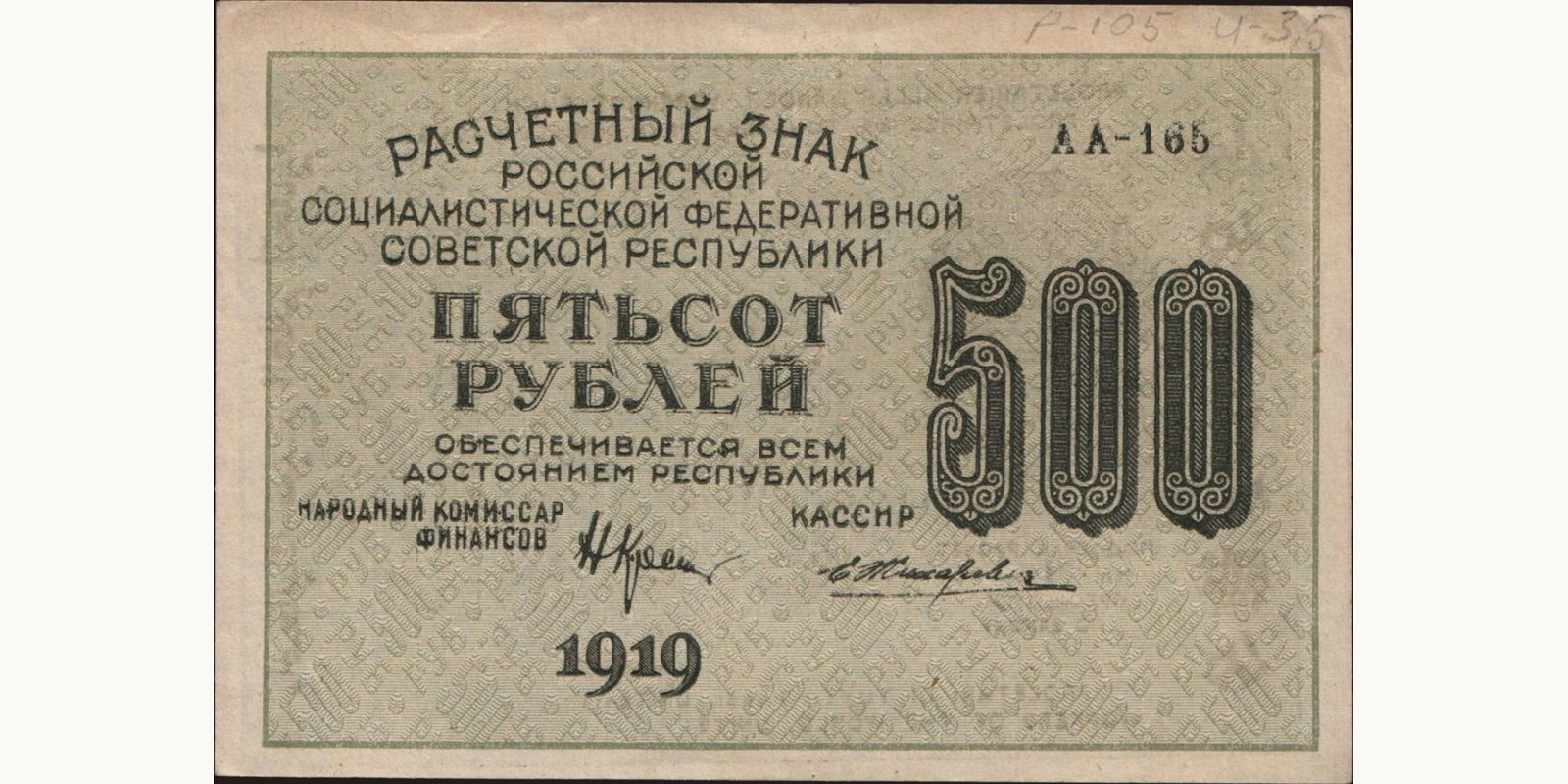
Civil War money issued in Russia between 1917 and 1924 represents one of the most chaotic, diverse, and historically important monetary systems ever created. Following the collapse of the Russian Empire, the country fragmented into dozens of competing authorities, each issuing its own currency in an attempt to maintain economic activity.
Unlike traditional national currencies, Civil War banknotes were not standardized or centrally controlled. Instead, they emerged from necessity. Governments, military factions, regional administrations, cities, and even private institutions produced emergency money under extreme conditions.
This period resulted in hundreds of different banknotes, many of which circulated only locally and for a very short time. Today, collectors actively search for russian civil war banknotes value, emergency currency 1917 1924, rare local banknotes Russia, and hyperinflation money history.
This article provides a full ULTRA SEO overview including historical background, regional systems, hyperinflation analysis, rare cases, value assessment, and advanced collecting strategies.
Collapse of the Monetary System After 1917
The Russian monetary system began collapsing even before the Civil War reached its peak. The fall of the monarchy in 1917 disrupted financial institutions, and the Provisional Government failed to stabilize the economy.
After the Bolshevik Revolution, the situation deteriorated rapidly. Banks became unreliable, inflation increased sharply, and the population lost confidence in paper money. Trade networks broke down, and many regions became isolated.
As central authority weakened, local governments and military forces began issuing their own currencies. This marked the beginning of a decentralized and highly unstable monetary system.

Who Issued Civil War Banknotes
One of the most important features of Civil War money is the diversity of issuers. Unlike a normal state currency, these banknotes were produced by multiple competing authorities.
Issuers included Bolshevik-controlled regions, White Army governments, independent regional administrations, city councils, and even private enterprises.
Each issuer created its own monetary system, often without coordination with others. This resulted in overlapping currencies that circulated simultaneously in different areas.
For collectors, this diversity creates a complex but highly rewarding field of study.
Regional Currency Systems and Famous Examples
Civil War currency systems were strongly regional. Each area developed its own money based on local needs and available resources.
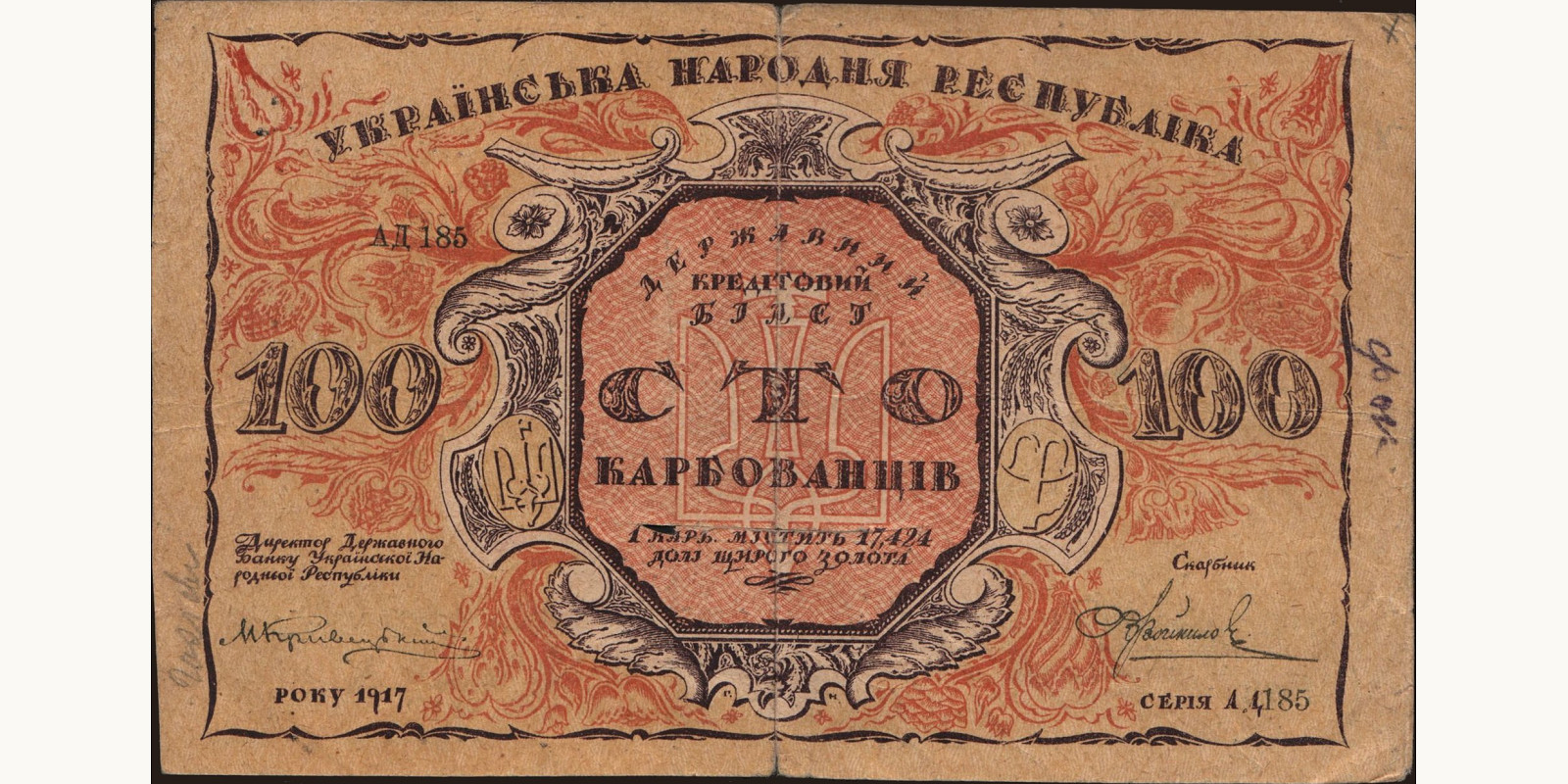
In Ukraine, multiple governments issued their own currencies, often replacing previous issues within months. In Siberia, White Army authorities created structured monetary systems that differed significantly from Bolshevik issues.
Cities such as Odessa, Zhytomyr, and Vladivostok issued their own emergency banknotes due to isolation. These local issues are often extremely rare today.
Collectors often specialize in specific regions, as each area represents a unique historical and monetary system.
Emergency Banknotes and Improvised Money
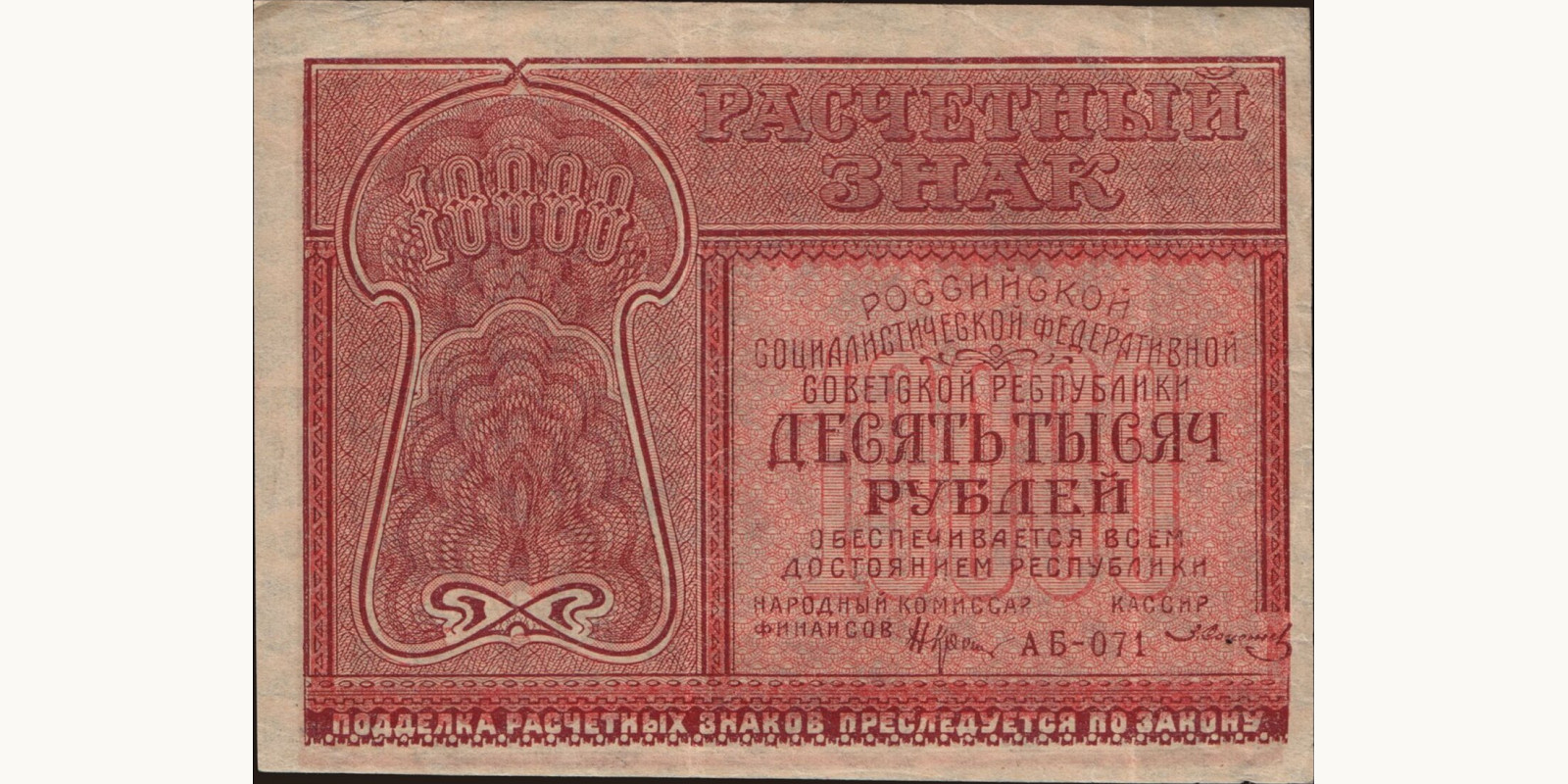
Civil War currency is often described as emergency money. These banknotes were produced quickly, often with limited materials and under extreme conditions.
Some were printed on low-quality paper, while others reused existing printing plates or official designs from the Russian Empire.
In certain cases, temporary money was even handwritten or stamped. This level of improvisation makes Civil War banknotes one of the most visually diverse categories in numismatics.
Hyperinflation and Monetary Collapse
Hyperinflation was one of the defining characteristics of Civil War money. Governments printed large quantities of banknotes to finance military operations and administrative costs.
As supply increased, the value of money decreased rapidly. Prices rose daily, and high-denomination banknotes became common.
In extreme cases, currency lost value so quickly that it became almost useless. People often relied on barter or foreign currencies.
For collectors, hyperinflation notes are especially important because they clearly illustrate economic collapse.

Types of Civil War Banknotes
Civil War banknotes can be divided into several major categories.
Government-issued notes were created by official authorities and often had more structured designs. Military-issued currency was used to support troops and operations.
Municipal banknotes were issued by cities to maintain local economies. Private emergency money was created by businesses or institutions.
Each type reflects a different aspect of the economic and political environment.
Design, Printing Techniques and Security
The design of Civil War banknotes varies significantly depending on the issuer and available resources.
Some notes feature detailed artwork, official seals, and signatures, while others are extremely simple. Printing methods ranged from professional presses to basic local printing.
Security features were often limited, which increases the risk of counterfeits today. Collectors must carefully analyze paper, ink, and printing details.
Rarity and Value Analysis
The value of Civil War banknotes depends on multiple factors.
The most important include rarity, condition, historical significance, issuing authority, and Pick number classification.
Rare banknotes from small regions or short-lived governments can be extremely valuable. Uncirculated notes are particularly sought after.
Collectors frequently search for civil war banknotes value, rare russian civil war currency, and local emergency money value.
Advanced Collector Strategy
Civil War banknotes require a structured collecting approach.
Beginners should start with more common issues to understand the market. Intermediate collectors often focus on specific regions or types.
Advanced collectors build specialized collections based on geography, political factions, or rarity levels.
Understanding historical context is essential for making informed collecting decisions.
Investment Potential
Civil War banknotes have strong investment potential due to their rarity and historical importance.
Unlike Soviet banknotes, many Civil War issues had very limited circulation. This scarcity increases long-term value.
As global interest in historical currency grows, demand for rare Civil War banknotes is expected to increase.
Where to Buy Civil War Banknotes
Collectors can purchase Civil War banknotes through auctions, online marketplaces, and specialized numismatic dealers.
It is essential to verify authenticity, seller reputation, and correct identification using Pick numbers.
Professional grading and certification can increase confidence and value.
Connection to Russian Empire and Soviet Currency
Civil War money serves as a bridge between Russian Empire banknotes and Soviet currency.
Understanding this transition helps collectors see the full evolution of Russian monetary history.
Many designs and printing techniques were inherited from imperial currency, while others influenced early Soviet banknotes.
Conclusion
Civil War banknotes represent one of the most complex and fascinating periods in monetary history.
They combine economic collapse, political fragmentation, and creative financial solutions.
For collectors, they offer unmatched diversity and rarity. For historians, they provide a detailed record of a nation in crisis and transformation.
| Period | 1917–1924 |
|---|---|
| System | Decentralized currency |
| Main feature | Emergency issues |
| Key factor | Hyperinflation |
| Number of issuers | Hundreds |
What is Civil War money
Emergency currency issued during Russian Civil War
Why were so many banknotes issued
Collapse of central authority
Are Civil War banknotes rare
Many are rare and short-lived
What determines value
Rarity, condition, and history
Which notes are most valuable
Rare regional and early issues
Where to buy Civil War banknotes
Auctions and specialized dealers
Are they good investment
Yes, especially rare notes
What is hyperinflation
Rapid loss of currency value
How to identify authenticity
Check printing, paper, and details
Should beginners collect Civil War money
Yes, starting with common issues
Related Articles