How Currency Reform Works: Ending Hyperinflation, Restoring Trust and Rebuilding Monetary Systems
Introduction: Why Currency Reform Becomes Necessary
Currency reform is one of the most critical tools used by governments to stabilize an economy after severe monetary collapse. It is typically implemented when a country experiences hyperinflation, where the national currency loses its value so rapidly that it can no longer function as money.
In such situations, prices become uncontrollable, trust in the currency disappears, and economic activity is severely disrupted. Currency reform aims to restore order by replacing or restructuring the existing monetary system.
Throughout history, currency reforms have been used in various forms, from removing zeros from banknotes to introducing entirely new currencies or even adopting foreign money.
This article provides a complete explanation of how currency reform works, why it is necessary, and how it has been successfully implemented in different countries.
The Economic Collapse That Leads to Reform
Currency reform is usually the final stage of a long economic crisis.
Before reform becomes necessary, a country typically experiences hyperinflation, where prices rise uncontrollably and money loses its value.
Savings are destroyed, wages become meaningless, and businesses struggle to operate. People lose trust in the national currency and begin using foreign currencies or barter systems.
This stage is described in detail in What is Hyperinflation.

Loss of Trust: The Core Problem
The most important factor behind the need for currency reform is the loss of trust.
Money only works because people believe in its value. When that belief disappears, the currency becomes useless.
Even if inflation slows down, the economy cannot recover until trust is restored. Currency reform is designed to rebuild that trust.
Main Types of Currency Reform
There are several approaches to currency reform, each suited to different economic conditions.
Redenomination involves removing zeros from the currency. For example, 1,000 old units may become 1 new unit. This simplifies transactions but does not solve underlying economic problems.
Currency replacement involves introducing a completely new currency. This is often accompanied by strict monetary policies.
Dollarization occurs when a country adopts a foreign currency, such as the US dollar. This removes control over monetary policy but can quickly stabilize the economy.
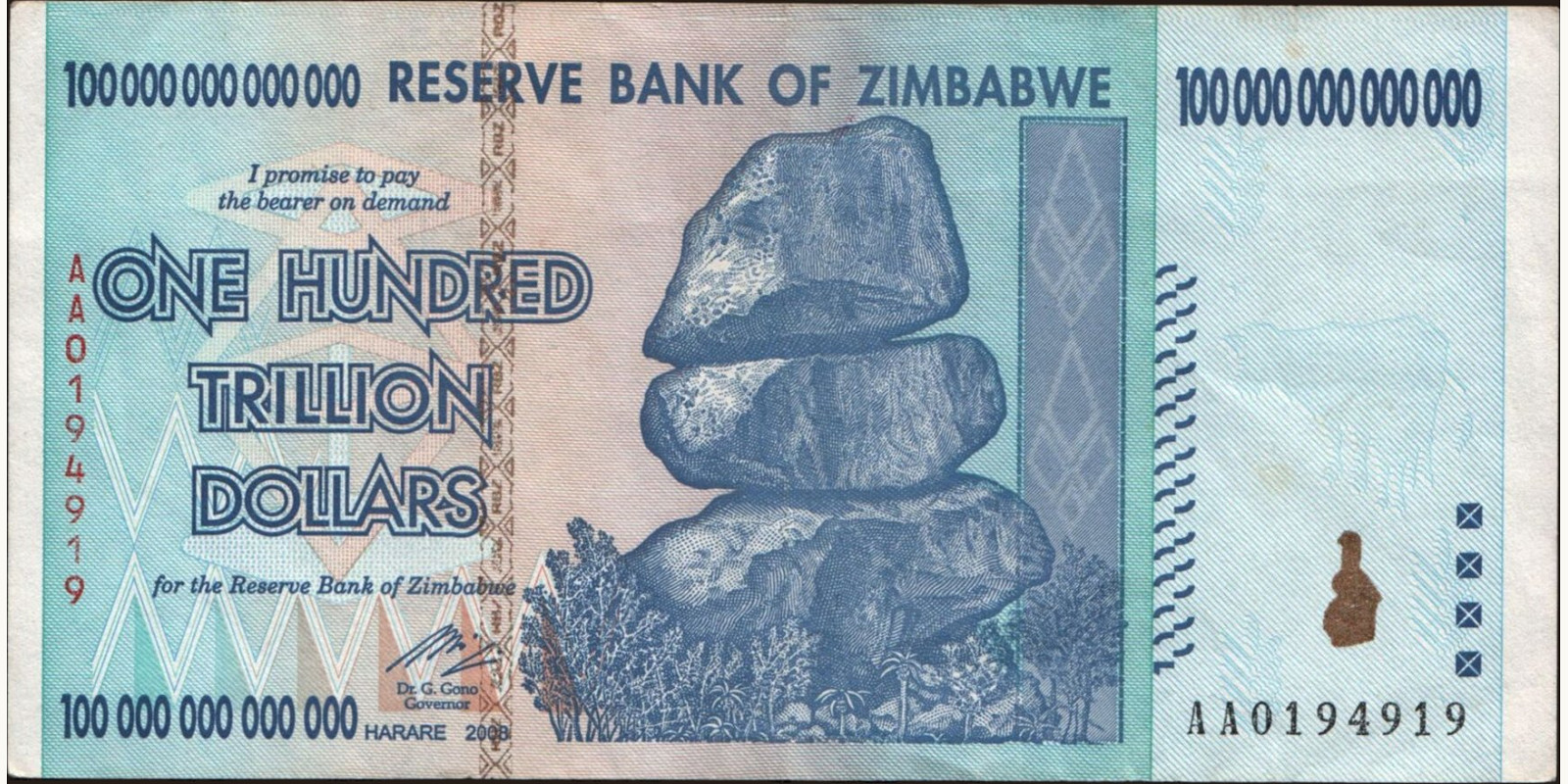
Zimbabwe provides a clear example of dollarization, as discussed in Zimbabwe Billion Dollar Notes.
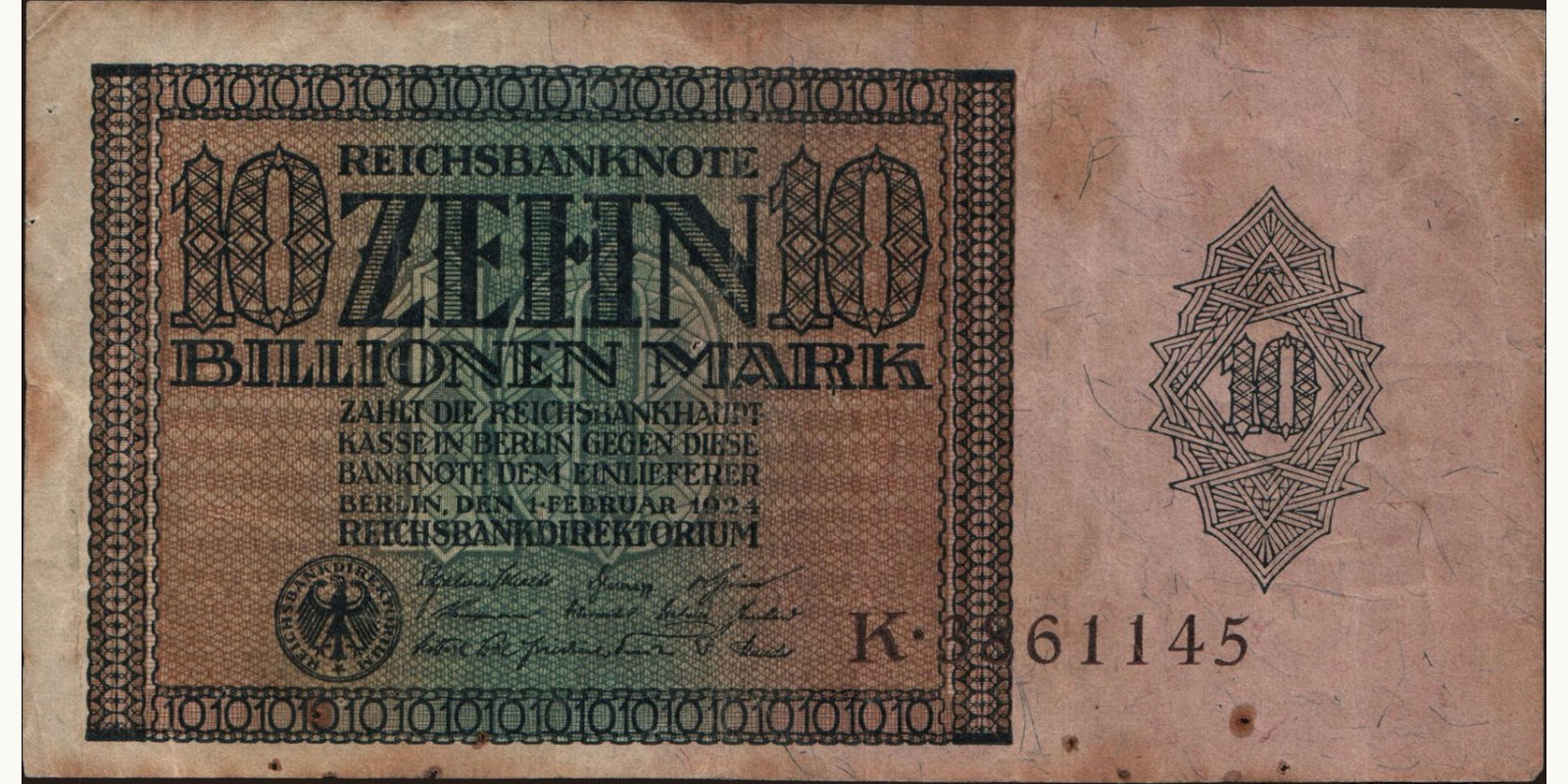
Case Study: Germany 1923
Germany’s hyperinflation ended with the introduction of the Rentenmark.
This new currency was backed by assets and introduced with strict control over money supply.
The reform successfully restored confidence and stabilized prices.
This example is explored in Germany 1923 Hyperinflation.
Case Study: Zimbabwe
Zimbabwe chose a different approach.
Instead of introducing a new national currency immediately, it abandoned its own currency and adopted foreign currencies.
This stabilized the economy but limited the country’s ability to control monetary policy.
Case Study: Post-Soviet Countries
After the collapse of the Soviet Union, many countries introduced new currencies.
Ukraine replaced the karbovanets with the hryvnia, stabilizing its economy.
Similar reforms occurred in other countries facing hyperinflation.
These cases are connected to Million Banknotes of the 1990s.
Steps in a Successful Currency Reform
A successful currency reform requires several key steps.
First, the money supply must be controlled. Without this, inflation will continue.
Second, fiscal discipline is essential. Governments must avoid excessive spending.
Third, trust must be restored through clear communication and consistent policies.
Fourth, the financial system must be stabilized, including banks and payment systems.
Challenges of Currency Reform
Currency reform is not easy.
If implemented poorly, it can fail and lead to further instability.
People may not trust the new currency, especially if previous reforms failed.
Economic conditions must support the reform, including stable production and political environment.
Psychological Impact of Reform
Restoring trust is as much a psychological process as an economic one.
People must believe that the new currency will retain its value.
This requires strong leadership, transparency, and consistent policies.
Impact on Society and Economy
When successful, currency reform can transform an economy.
Prices stabilize, savings regain value, and businesses can plan for the future.
Economic growth can resume, and living standards improve.
However, the transition period can be difficult, especially for vulnerable groups.
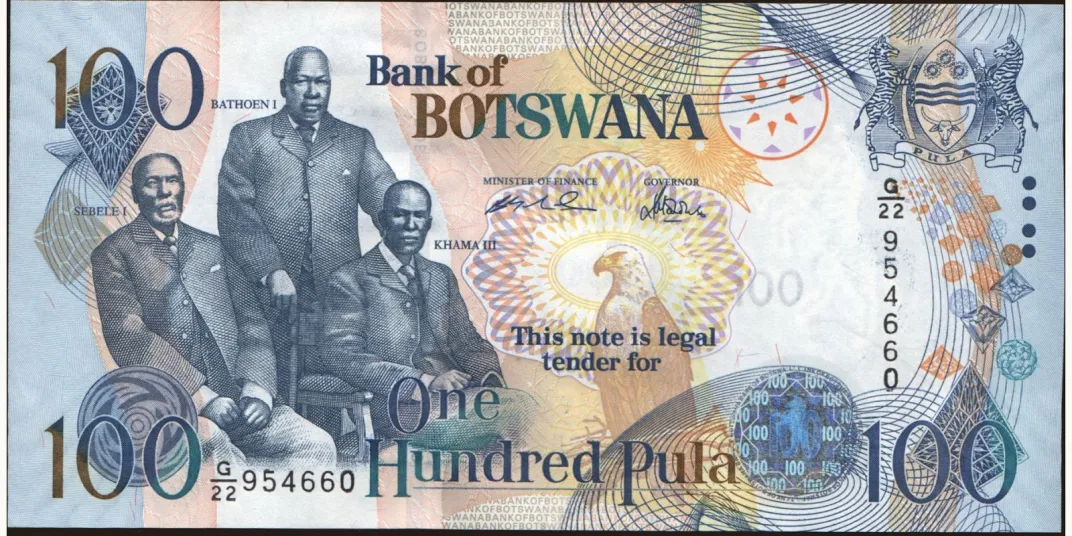
Currency Reform and Banknote Design
Currency reform often leads to new banknote designs.
These designs symbolize a fresh start and may include new security features.
For collectors, such banknotes are important historical artifacts representing economic transitions.
Lessons from Currency Reforms
Currency reform teaches several important lessons.
Economic stability requires discipline
Trust is essential for money to function
Political decisions shape economic outcomes
These lessons are relevant for all economies.
Connection to Hyperinflation
Currency reform is directly linked to hyperinflation.
It is typically the final step in ending the crisis and restoring stability.
Without reform, hyperinflation can continue indefinitely.
Conclusion
Currency reform is a powerful tool for restoring economic stability after hyperinflation.
While challenging, it has proven effective in many historical cases.
Understanding how it works provides valuable insight into the nature of money and economic systems.
| Purpose | Stabilize economy |
|---|---|
| Main trigger | Hyperinflation |
| Methods | Redenomination, replacement, dollarization |
| Key factor | Trust |
| Outcome | Price stability |
Question
What is currency reform
Answer
It is the process of replacing or restructuring a currency
Question
Why is it needed
Answer
To stop hyperinflation and restore stability
Question
What are the main types
Answer
Redenomination, new currency, dollarization
Question
Is it always successful
Answer
No, it depends on economic and political conditions
Question
What is the most important factor
Answer
Public trust in the new currency
Related Articles