Zhytomyr Emergency Banknotes 1917–1920: Civil War Currency, Hyperinflation and the Rise of Local Money Systems
Zhytomyr Emergency Currency in the Context of Civil War
The collapse of the Russian Empire in 1917 triggered one of the most chaotic monetary periods in European history. Financial institutions disintegrated, transport networks collapsed and multiple competing governments emerged across the region. In this environment, traditional currency systems stopped functioning effectively.
Cities such as Zhytomyr faced an urgent problem: there was simply not enough official money to support everyday economic life. Salaries could not be paid, trade slowed dramatically and markets struggled to operate.
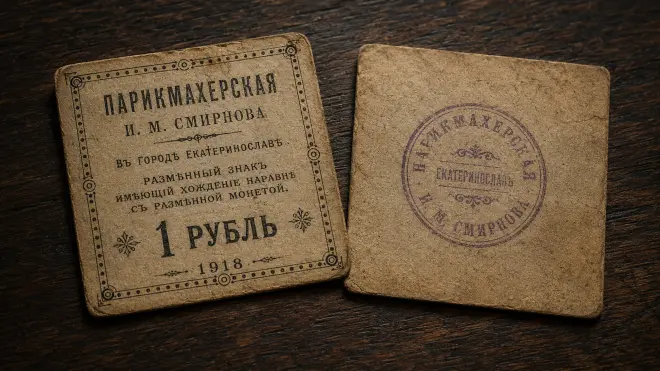
As a result, local authorities began issuing their own paper money. These emergency banknotes, often called local emissions or necessity money, became essential for maintaining economic activity during the civil war period.
The Origins of the Cash Shortage
By late 1917, Zhytomyr was already experiencing a severe shortage of cash. Banks introduced withdrawal limits and were unable to meet the demand for money. Businesses struggled to operate, and public confidence in the financial system declined rapidly.
Several factors contributed to this crisis. The collapse of centralized authority meant that the State Bank could no longer distribute currency efficiently. Military conflict disrupted logistics and transportation routes. At the same time, inflation reduced the real value of existing banknotes, increasing demand for more cash.
These combined factors created a deep liquidity crisis that threatened to stop all economic activity in the region.
Local Authorities Step In
Facing economic paralysis, local authorities in Zhytomyr decided to act. Municipal institutions authorized the issuance of substitute currency to restore liquidity and stabilize trade.
These banknotes were designed to circulate within the city and nearby areas. Although they were not officially recognized at the national level, they were accepted as legal tender locally. In many cases, businesses were required to accept them, ensuring their widespread circulation.
This approach was not unique to Zhytomyr. Similar systems appeared in cities such as Odessa, Kyiv and Kharkiv, each developing its own version of emergency currency.
Design and Symbolism of Zhytomyr Banknotes
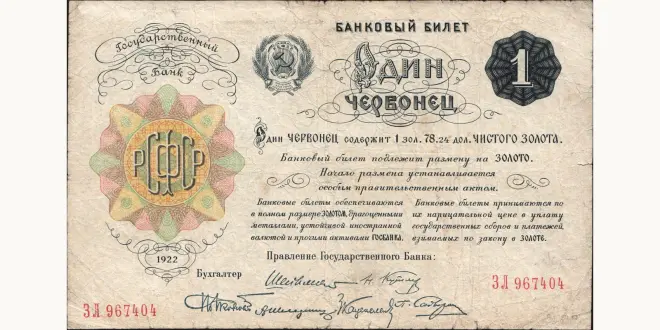
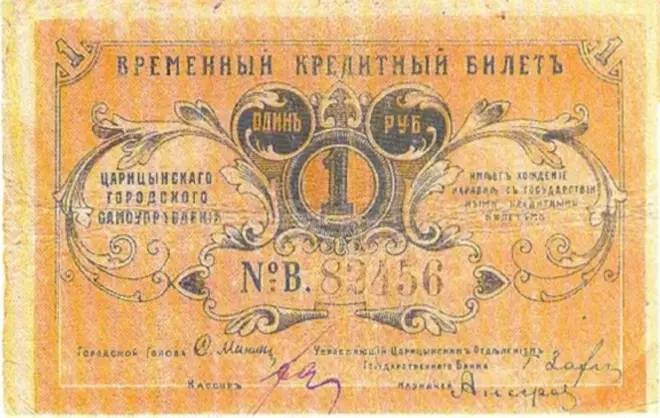
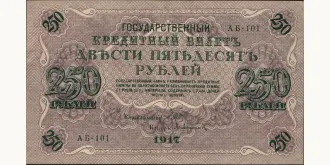
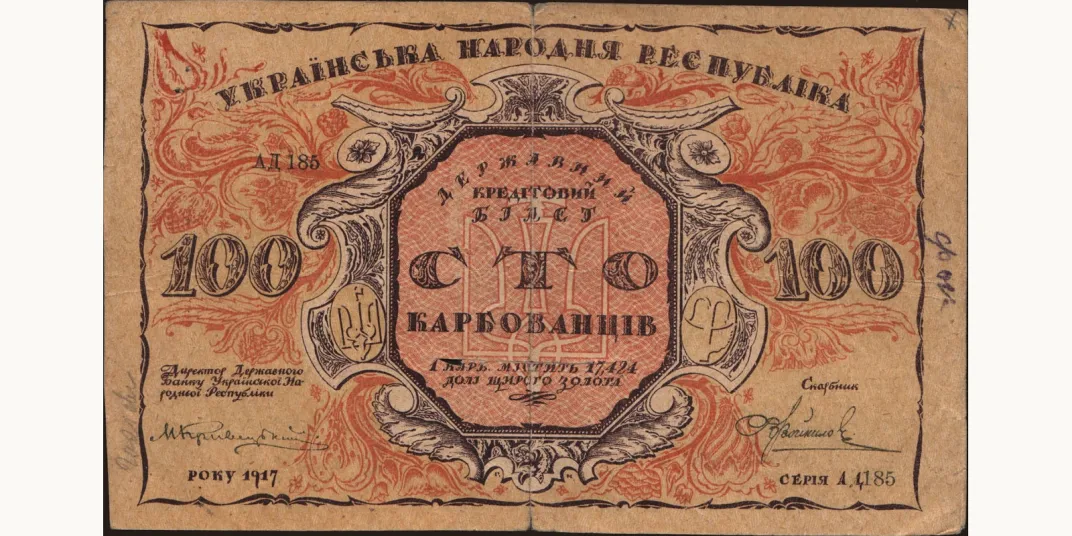
Despite limited printing capabilities, Zhytomyr banknotes featured distinctive visual elements. Many included decorative borders, official seals and signatures of authorized officials.
These design choices served both practical and psychological purposes. By imitating the appearance of official banknotes, they helped build trust and legitimacy. Some issues also incorporated national motifs, reflecting the changing political identity of Ukraine during this period.
To simplify production, similar layouts were often used across multiple denominations, with differences mainly in color and numerical value.
Anti Counterfeiting Measures
Counterfeiting was a major concern for all local currencies during this period. To reduce this risk, Zhytomyr banknotes included basic security features such as unique typography, official stamps and signatures.
In some cases, perforation or special markings were used. However, due to limited resources and urgent demand, these measures were not always sufficient. As inflation increased, counterfeit banknotes became more common.
Hyperinflation and Monetary Instability
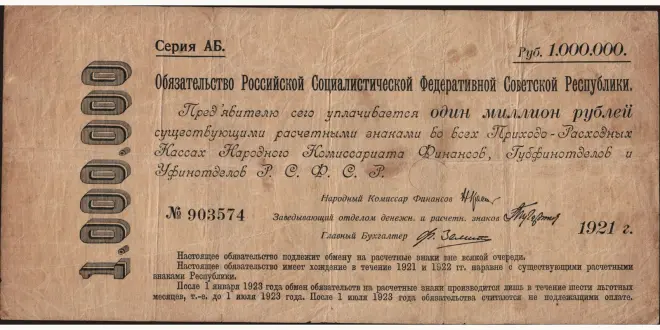
The widespread issuance of local currencies across the former Russian Empire contributed to rapid monetary expansion. Multiple authorities printed money simultaneously, leading to hyperinflation.
In Zhytomyr, prices rose quickly and unpredictably. The value of money changed constantly, making it difficult for individuals to save or plan financially. Goods that were affordable one day could become significantly more expensive the next.
Despite these challenges, local banknotes played a crucial role in keeping the economy functioning. Without them, barter would likely have replaced monetary exchange entirely.
Daily Economic Life Under Local Currency
For residents of Zhytomyr, local banknotes became a necessary part of daily life. Wages were often paid in this currency, and most transactions relied on its acceptance.
Markets adapted to the situation. Prices were sometimes listed in multiple currencies, and exchange rates fluctuated frequently. People developed strategies to protect their wealth, including converting money into goods or more stable currencies.
Trust remained the most important factor. As long as people believed that others would accept the notes, they continued to circulate effectively.
Comparison with Other Cities
Zhytomyr was part of a broader network of cities issuing emergency currency. Odessa, for example, produced highly detailed and artistic banknotes, while Kyiv issued multiple series with varying security features.
Compared to these cities, Zhytomyr banknotes were simpler in design but equally important in function. They illustrate how different regions adapted to the same economic crisis in unique ways.
Withdrawal and End of Circulation
By 1919 to 1920, the political and economic situation began to stabilize. New authorities introduced centralized monetary systems, and the need for local currencies declined.
Zhytomyr banknotes were gradually withdrawn from circulation. Some were exchanged for new currency, while others became worthless. Many were lost or destroyed, contributing to their rarity today.
Collector Value and Modern Interest
Today, Zhytomyr banknotes are highly valued by collectors. They represent a unique period of history marked by economic collapse and adaptation.
Their value depends on rarity, condition and historical significance. Some issues are extremely scarce, making them highly desirable in the collector market.
Beyond their monetary value, these banknotes provide insight into how societies respond to financial crises and develop innovative solutions under pressure.
| Period | 1917–1920 |
|---|---|
| Location | Zhytomyr, Ukraine |
| Type | Emergency local currency |
| Cause | Financial collapse and cash shortage |
| Economic Context | Civil war and hyperinflation |
| Collector Value | High |
What are Zhytomyr banknotes
Emergency local currency issued during the civil war period
Why were they issued
Due to lack of official money supply
Are they rare
Yes many issues are scarce
Are they valuable
Yes especially in good condition
Related Articles