Soviet Banknotes (1922–1991): Ultimate Collector Guide, History, Values, Pick Numbers and Investment Strategy
Introduction
Soviet banknotes represent one of the most complex and historically significant monetary systems of the twentieth century. Issued between 1922 and 1991, these banknotes reflect the transformation of Russia from a collapsing empire into a centralized socialist state and eventually into a system that would dissolve at the end of the Cold War.
Unlike traditional currencies that focus on monarchs, national heroes, or economic stability, Soviet banknotes were designed as ideological tools. They reflected the values of socialism, collective labor, industrial growth, and state power. This makes them unique not only as financial instruments but also as historical documents.
Today, collectors активно ищут такие запросы как soviet banknotes value today, ussr ruble history, soviet 1961 banknotes value, ussr currency list, and rare soviet banknotes. Interest continues to grow because Soviet banknotes are accessible for beginners while still offering rare and valuable pieces for advanced collectors.
This guide provides a complete TOP1-level overview including history, reforms, hyperinflation, design, Pick numbers, value analysis, and collecting strategies.
Early Soviet Currency and Hyperinflation (1922–1924)
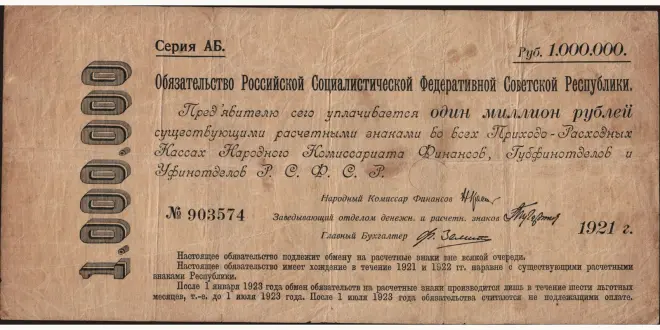
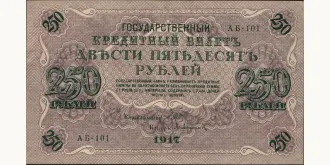
After the Russian Civil War, the Soviet economy was devastated. The monetary system collapsed almost completely, and hyperinflation reached extreme levels. Banknotes were printed in enormous quantities, often with very high denominations such as thousands, millions, or even billions of rubles.
These early Soviet banknotes were essentially emergency currency. Their value decreased rapidly, sometimes within days. People lost trust in money and often relied on barter or foreign currency.
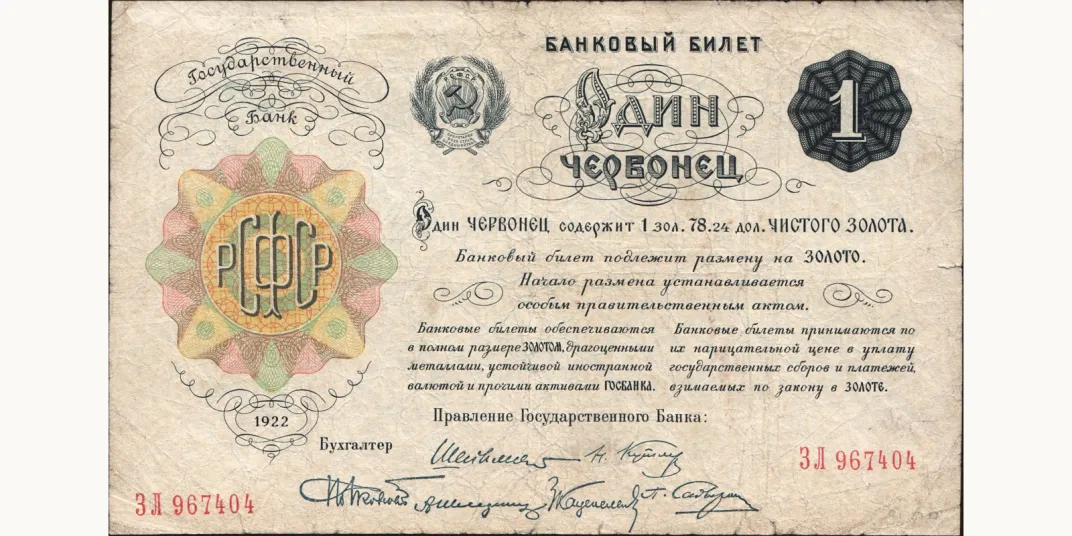
The turning point came in 1922 with the introduction of the chervonets. This new currency was backed by gold and helped restore confidence in the monetary system. It marked the beginning of stabilization and the transition to a controlled socialist economy.
Collectors consider hyperinflation banknotes extremely interesting because they reflect economic collapse. Searches such as soviet hyperinflation banknotes and early ussr money are very common.

Stabilization and Economic Development (1924–1947)
Following the hyperinflation crisis, the Soviet Union introduced a more stable monetary system. Banknotes became standardized, and the government established strict control over the economy.
During this period, designs began to reflect socialist ideology. Workers, farmers, and industrial scenes replaced traditional imagery. Currency became a tool for promoting political messages.
The Soviet economy experienced industrial growth, and the ruble became more stable. Banknotes from this period are important because they represent the transition from chaos to planned economy.
Collectors value these notes for their historical significance and ideological design.
Currency Reform of 1947
The 1947 reform was one of the most important monetary events in Soviet history. It aimed to eliminate excess money in circulation after World War II and reduce inflation.
Old banknotes were exchanged for new ones at different rates. Savings were partially protected, but large amounts of cash lost value. This reform effectively reduced the money supply.
The result was a stronger and more stable ruble. For collectors, this reform created different types of banknotes, increasing diversity in the market.

1961 Reform and Standard Series
The 1961 reform introduced the most recognizable Soviet banknotes. These notes remained in circulation for decades and are widely collected today.
Denominations included 1, 3, 5, 10, 25, 50, and 100 rubles. These banknotes featured consistent design, improved security, and high-quality printing.
Search queries such as soviet 1961 banknotes value and ussr ruble series are extremely popular.
These notes are ideal for beginners because they are affordable and easy to find.
Table of Soviet Banknotes and Pick Numbers
Denomination = Year = Pick Number
1 ruble = 1961 = P-222
3 rubles = 1961 = P-223
5 rubles = 1961 = P-224
10 rubles = 1961 = P-225
25 rubles = 1961 = P-226
50 rubles = 1961 = P-227
100 rubles = 1961 = P-228
Pick numbers are essential for identifying banknotes and building structured collections.

Design and Ideology
Soviet banknotes are unique because they focus on ideology instead of individuals. They depict workers, farmers, scientists, and industrial achievements.
Symbols such as the hammer and sickle represent unity and socialism. The absence of leaders makes Soviet currency different from most other countries.
Collectors often study design elements to understand historical context and propaganda.
Late Soviet Period (1961–1991)
During the late Soviet period, the currency system remained stable on the surface. However, economic inefficiencies and shortages became more visible.
Banknotes remained unchanged for decades, reflecting both stability and stagnation. By the late 1980s, reforms weakened the system.
The collapse of the Soviet Union in 1991 marked the end of Soviet banknotes.
Soviet Banknotes Value Today
The value of Soviet banknotes varies widely depending on rarity, condition, and demand.
Common 1961 banknotes are inexpensive and widely available. However, rare issues from the early Soviet period or hyperinflation era can be valuable.
Collectors search for:
soviet banknotes value today
ussr banknotes price list
rare soviet banknotes value
Uncirculated notes and rare denominations can command significantly higher prices.
Rarest Soviet Banknotes
Some Soviet banknotes are considered rare due to limited production or historical context.
These include:
early hyperinflation issues
experimental series
error banknotes
high-grade uncirculated notes
Rare banknotes attract advanced collectors and investors.
Collector Guide
Beginners should start with 1961 series banknotes. These are affordable and easy to identify.
Advanced collectors focus on:
rare early issues
high denominations
uncirculated notes
Always check:
condition
authenticity
Pick number
Investment Potential
Soviet banknotes offer investment opportunities, especially rare and well-preserved notes.
Demand is increasing due to global interest in historical currency.
Collectors view Soviet banknotes as affordable entry points with long-term potential.
Where to Buy Soviet Banknotes
Soviet banknotes can be purchased from online marketplaces, auctions, and specialized numismatic platforms.
Buyers should verify authenticity, seller reputation, and correct Pick numbers.
Integration with Related Topics
To fully understand Soviet banknotes, it is important to explore related topics such as Russian Empire banknotes, Civil War currency, and hyperinflation.
These topics provide a complete historical and economic context.
Conclusion
Soviet banknotes are more than currency. They are historical artifacts that reflect ideology, economic systems, and political transformation.
For collectors, they offer accessibility and diversity. For investors, they provide long-term potential. For historians, they tell the story of one of the most influential states in modern history.
| Start year | 1922 |
|---|---|
| Hyperinflation peak | 1920s |
| Major reform | 1947 |
| Key reform | 1961 |
| End year | 1991 |
What are Soviet banknotes
Paper money issued in USSR
What is the most common series
1961 series
Are Soviet banknotes valuable
Rare notes can be valuable
What are Pick numbers
Catalog identifiers
Where to buy Soviet banknotes
Online marketplaces and auctions
How much are Soviet banknotes worth
Depends on rarity and condition
What is the rarest Soviet banknote
Early hyperinflation issues
Can Soviet banknotes increase in value
Yes over time
How to store banknotes
Use protective sleeves and dry storage
Related Articles