North Caucasus Banknotes 1917–1924: Historical Analysis and Collector Guide
Introduction
The North Caucasus region played a unique and complex role in the monetary history of the Russian Civil War. Between 1917 and 1924, this territory became a fragmented economic zone where multiple political and military authorities issued their own banknotes.
Unlike centralized monetary systems, the North Caucasus experienced parallel currency circulation. Various governments, military structures, and local administrations introduced their own financial instruments to maintain trade and economic activity.
Today, these banknotes are highly valued by collectors due to their rarity, diversity, and deep historical context.
Political and Economic Background
Following the collapse of the Russian Empire in 1917, the North Caucasus became a region of competing powers.
Different political entities controlled various parts of the territory, including the Kuban Regional Government and the Volunteer Army.
Each authority needed a functioning monetary system to support administration, military operations, and local economies.
As a result, independent currency emissions became a necessity rather than a choice.
Regional Authorities and Their Currency
Several authorities issued banknotes in the North Caucasus.
The Kuban government produced official regional currency, often with more structured design and printing quality.
The Volunteer Army also issued banknotes to support its operations.
These currencies coexisted and circulated simultaneously, sometimes within the same geographic areas.
This created a highly complex monetary environment.
Private and Local Emissions
In addition to official authorities, private organizations and businesses also issued their own forms of money.
These emissions were often used for local trade, wages, and daily transactions.
Such banknotes were typically produced quickly and with limited resources.
Their designs vary greatly, reflecting urgency and lack of centralized control.
For collectors, these issues are particularly interesting due to their uniqueness.
Design and Production Characteristics
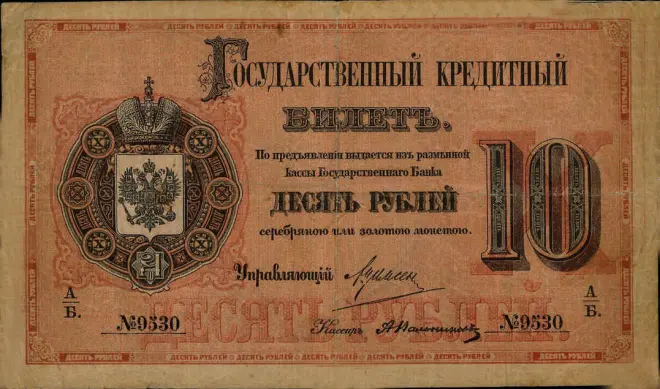
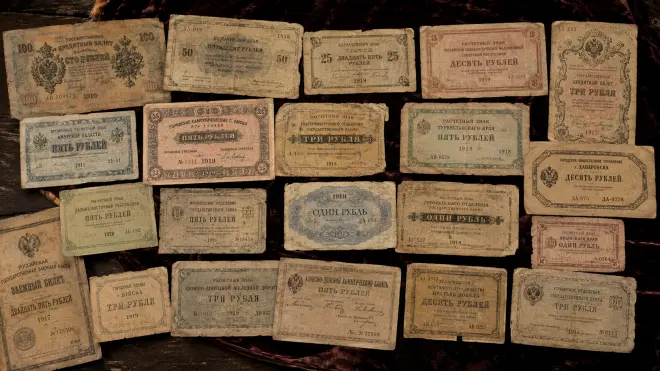
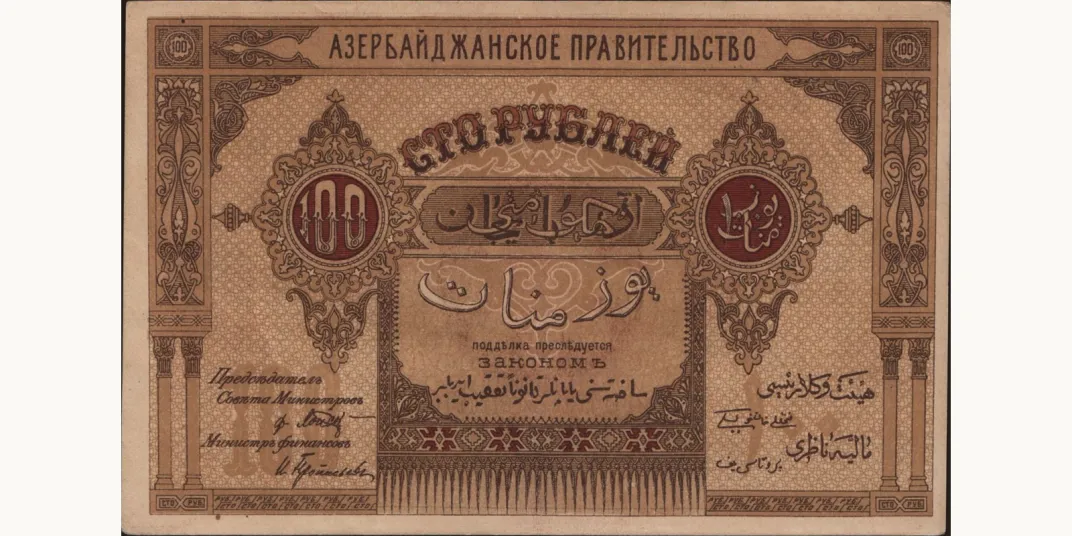
Banknotes from the North Caucasus display a wide range of design styles.
Some were professionally printed using advanced techniques, while others were simple and utilitarian.
Common features include basic typography, decorative borders, and official stamps.
In many cases, security features were minimal or absent due to time constraints.
Despite this, many notes possess strong visual identity and historical authenticity.
Archival Research and Discoveries
Modern archival research has significantly expanded knowledge about North Caucasus banknotes.
Previously unknown emissions have been identified through documents stored in regional archives.
These findings challenge earlier assumptions that certain regions did not issue their own currency.
Researchers continue to uncover new data, making this field dynamic and evolving.
Classification and Cataloging
Scholars and collectors have developed classification systems to organize the large number of banknotes issued during this period.
Hundreds of types have been identified and categorized based on issuer, region, denomination, and design.
This classification helps collectors navigate the complexity of the market.
It also contributes to a more structured understanding of Civil War numismatics.
Economic Impact and Inflation
The uncontrolled issuance of banknotes contributed to inflation and financial instability.
With multiple authorities printing money independently, the supply of currency increased rapidly.
This led to fluctuations in value and reduced trust in paper money.
The economic environment became highly unstable, further complicating trade and daily life.
Collector Value and Market Interest
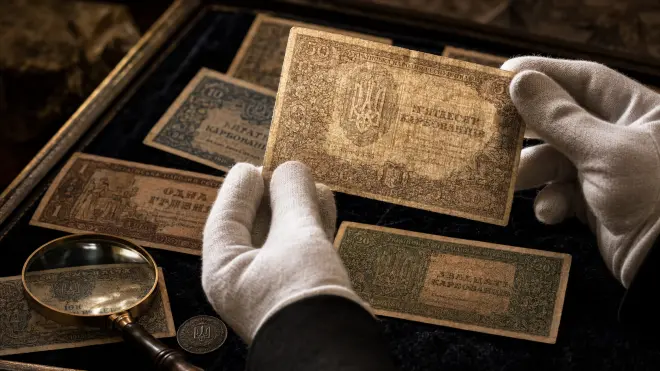
North Caucasus banknotes are highly sought after by collectors.
Their value depends on rarity, condition, historical significance, and demand.
Rare issues, especially those with limited circulation, can be particularly valuable.
Collectors often specialize in specific regions or issuing authorities.
Why These Banknotes Matter
These banknotes represent more than just currency.
They are historical documents that reflect political fragmentation, economic survival, and regional identity.
They provide insight into how societies function during periods of instability.
For collectors, they offer both educational and investment value.
Conclusion
North Caucasus banknotes from 1917–1924 are a vital part of monetary history.
They illustrate the complexity of economic systems during the Russian Civil War.
Their diversity, rarity, and historical importance make them a key area of interest for collectors worldwide.
Key Facts
| Region | North Caucasus |
|---|---|
| Period | 1917–1924 |
| Issuers | Governments, military, private entities |
| Complexity | Very high |
| Collector interest | High |
FAQ
Who issued these banknotes?
Regional governments and military authorities
Are they rare?
Many are rare
Why so many types?
Political fragmentation
Are they valuable?
Yes, especially rare issues
Related Articles