How to Start Collecting Banknotes: Beginner Guide
Introduction to Banknote Collecting
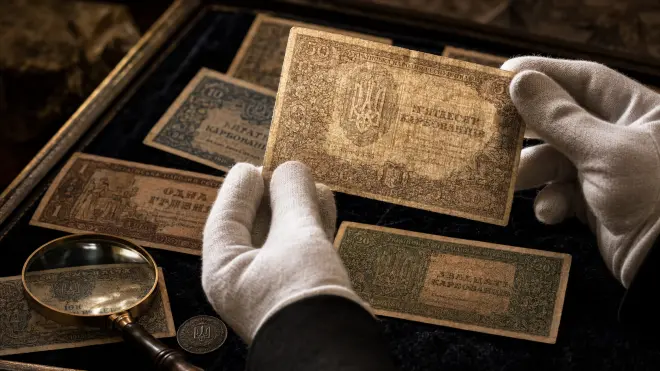
Banknote collecting is a fascinating and accessible hobby that combines history, art, and investment potential. Many beginners are attracted by the beauty of paper money and the stories behind each note. Unlike some other collectibles, banknotes are relatively easy to store and can be collected on almost any budget.
Starting a collection does not require significant financial resources. What matters most is understanding the basics, developing a strategy, and learning how to identify and evaluate banknotes correctly.
Why People Collect Banknotes
People collect banknotes for many different reasons. Some are interested in historical aspects, while others focus on design, rarity, or investment value. Banknotes often reflect important political and economic changes, making them valuable historical artifacts.
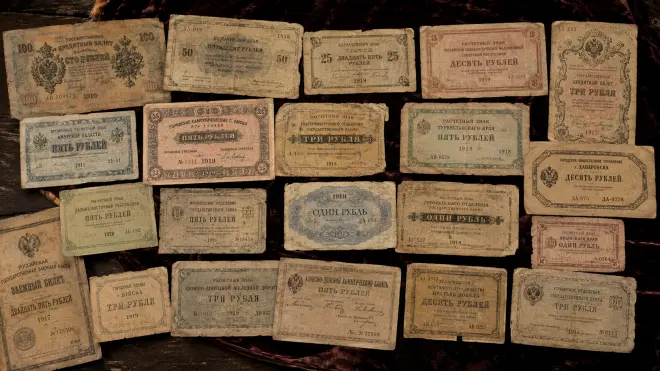
Collectors may specialize in specific countries, time periods, themes, or denominations. This flexibility allows everyone to build a collection that matches their interests and budget.
How to Start Your Collection
The best way to begin is to start small and learn gradually. Many beginners make the mistake of trying to collect everything at once, which can lead to confusion and unnecessary expenses.
Start by choosing a focus. For example, you may collect banknotes from one country, a specific historical period, or notes with similar designs. This will help you build a structured and meaningful collection.
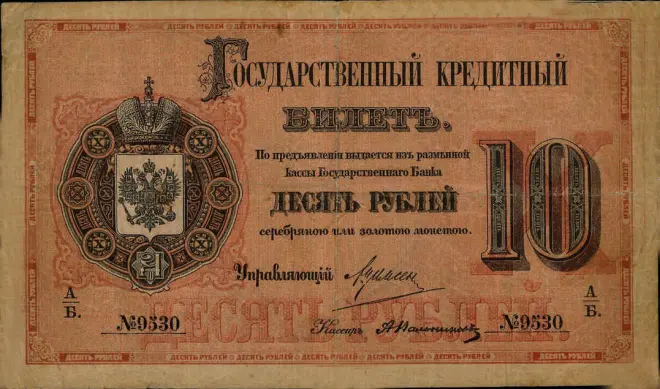
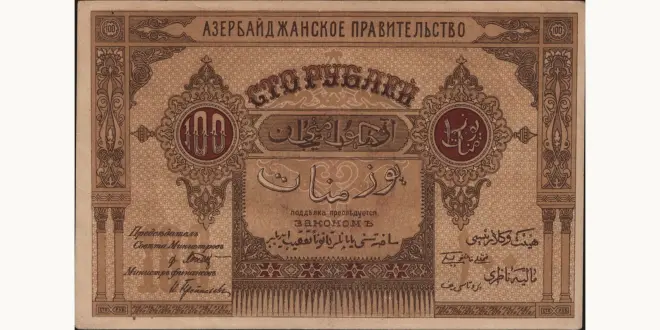
It is also important to learn how to use catalog systems such as Pick numbers. These identifiers allow you to accurately recognize and compare banknotes.
Where to Buy Banknotes
There are many places where you can buy banknotes. Online marketplaces such as eBay are very popular, as well as specialized numismatic websites and auctions. You can also find banknotes at local coin shops, collector fairs, and exhibitions.
When buying online, always check seller ratings and product descriptions. High-quality images and clear information are essential. Avoid listings that lack details or appear suspicious.
Understanding Banknote Condition
Condition is one of the most important factors in banknote collecting. Even a rare banknote can lose much of its value if it is heavily worn or damaged.
Collectors use standard grading terms to describe condition. Learning these terms will help you make better purchasing decisions and avoid overpaying.
Basic Grading Terms
| UNC | Uncirculated (perfect condition, no signs of use) |
|---|---|
| AU | About Uncirculated (almost perfect, minimal handling) |
| VF | Very Fine (light wear, still attractive) |
| F | Fine (moderate wear, visible folds) |
| VG | Very Good (heavy wear, damaged but collectible) |
How to Store Your Collection
Proper storage is essential to preserve the condition and value of your banknotes. Use protective sleeves made from archival-quality materials. Avoid exposure to sunlight, humidity, and extreme temperatures.
Never fold or staple banknotes, as this can permanently damage them. Handle notes carefully and always keep your hands clean when touching them.
Common Mistakes Beginners Make
Many beginners make avoidable mistakes when starting their collection. One of the most common errors is buying without proper research. This can lead to purchasing overpriced or misidentified banknotes.
Another mistake is ignoring condition. Some beginners focus only on rarity, forgetting that condition has a major impact on value.
It is also common to overlook catalog references. Without using systems like Pick numbers, it becomes difficult to accurately identify and compare banknotes.
Building a Strategy
A successful collection requires a clear strategy. Decide what you want to collect and set realistic goals. This will help you stay focused and avoid unnecessary purchases.
Keep track of your collection using a catalog or database. This will help you monitor your progress and identify missing pieces.
Investment Potential
While many people collect banknotes as a hobby, some also consider them an investment. Rare and well-preserved notes can increase in value over time.
However, collecting should not be based solely on profit. The market can fluctuate, and knowledge is essential for making good investment decisions.
Conclusion
Starting a banknote collection is both enjoyable and rewarding. With the right approach, you can build a collection that reflects your interests and grows in value over time.
Take your time, learn continuously, and focus on quality rather than quantity. With experience, your understanding of the market and your collection will improve significantly.
Key Facts
| Easy to start | Yes |
|---|---|
| Requires large budget | No |
| Knowledge required | Yes |
| Global hobby | Yes |
FAQ
Is banknote collecting expensive?
It can be affordable if you start with common notes and build gradually.
Where should I buy banknotes?
Online marketplaces, auctions, and local coin shops are good options.
What is the most important factor in value?
Condition and rarity are the most important factors.
Do I need a catalog?
Yes, catalogs help identify and organize banknotes correctly.
Related Articles