Banknote Condition Guide
Introduction to Banknote Condition
Banknote condition is one of the most important factors in collecting paper money. It directly affects both the value and desirability of a banknote. Even a rare note can lose significant value if it is damaged or heavily worn.
Understanding condition grading allows collectors to make informed decisions when buying, selling, or evaluating banknotes. It also helps avoid common mistakes, especially for beginners who may not yet recognize subtle differences between grades.
Why Condition Matters
Condition determines how well a banknote has been preserved over time. Notes that have never been used in circulation are generally worth more than those that have been folded, stained, or damaged.
Collectors and dealers rely on condition grading to standardize communication. Without it, it would be difficult to compare banknotes or determine fair prices.
A high-quality note with perfect preservation can be worth many times more than the same note in poor condition.
Main Condition Grades
Banknotes are classified into several standard grades. These grades describe the level of wear and overall appearance.
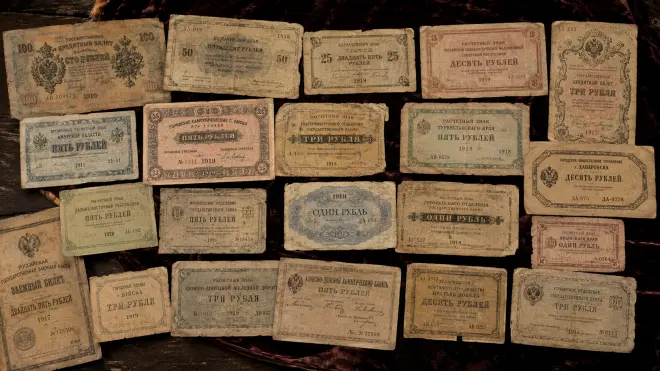
The most common grades include Uncirculated, About Uncirculated, Very Fine, Fine, and Very Good. Each grade reflects a specific level of handling and damage.
Learning these grades is essential for anyone serious about collecting.
Key Features of Each Grade
| UNC | Perfect condition with no folds, no wear, and sharp corners |
|---|---|
| AU | Almost perfect with very slight handling or counting marks |
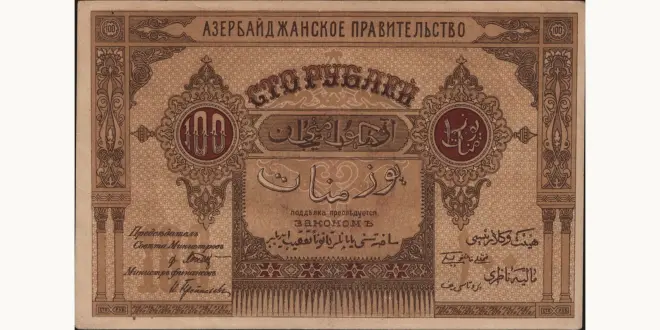
| VF | Light wear with minor folds but still attractive |
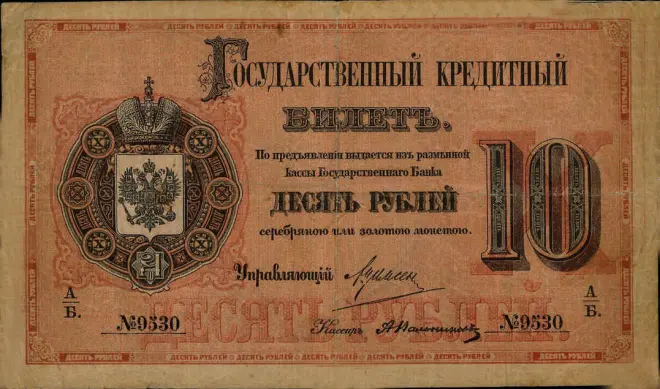
| F | Noticeable wear with multiple folds and softer paper |
| VG | Heavy wear with damage, stains, or tears |
How to Identify Condition
To determine the condition of a banknote, examine several key aspects. Look at the corners, edges, and surface of the paper. Sharp corners and clean paper usually indicate higher grades.
Check for folds, creases, stains, and discoloration. Even small imperfections can lower the grade.
Lighting is also important. Viewing a banknote under proper light can reveal hidden folds or damage that are not visible at first glance.
Common Mistakes in Grading
Beginners often overestimate the condition of their banknotes. It is common to assume a note is Uncirculated when it actually has light folds or handling marks.
Another mistake is ignoring small defects such as tiny creases or edge wear. These details are important in professional grading.
Relying only on photos when buying online can also be risky. Always look for high-resolution images and detailed descriptions.
How Condition Affects Value
Condition has a direct impact on price. A banknote in Uncirculated condition can be worth several times more than the same note in Fine condition.
Collectors usually prefer higher-grade notes, especially for rare issues. However, lower-grade notes can still be valuable if they are rare or historically significant.
Understanding this relationship helps collectors make smarter purchasing decisions.
Tips for Preserving Condition
Proper storage is essential to maintain the condition of banknotes. Use protective sleeves made from safe materials designed for long-term storage.
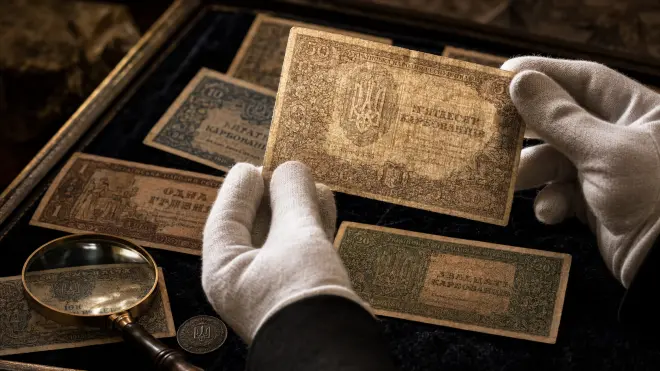
Avoid touching notes with bare hands, as oils and dirt can damage the paper. Keep your collection away from sunlight, humidity, and temperature changes.
Handling notes carefully will help preserve their value over time.
Conclusion
Understanding banknote condition is a fundamental skill for collectors. It allows you to evaluate notes accurately, avoid mistakes, and build a high-quality collection.
With practice, you will become more confident in grading and better equipped to navigate the market.
FAQ
What is UNC?
UNC means Uncirculated, a banknote with no signs of use or wear.
Why is condition important?
Condition affects both value and desirability of a banknote.
Can damaged banknotes still be valuable?
Yes, especially if they are rare or historically important.
How can I protect my banknotes?
Use protective sleeves and avoid exposure to light, humidity, and damage.
Related Articles