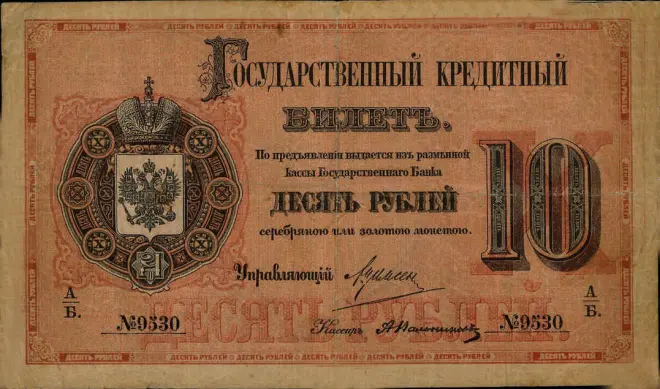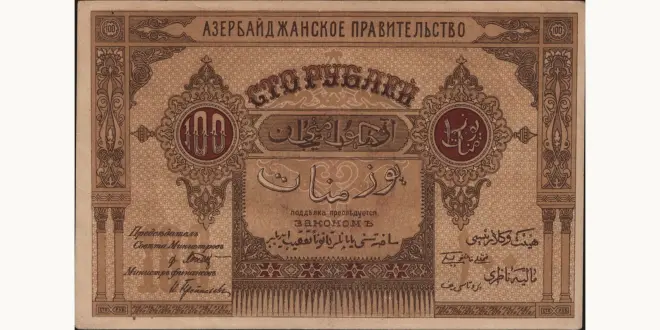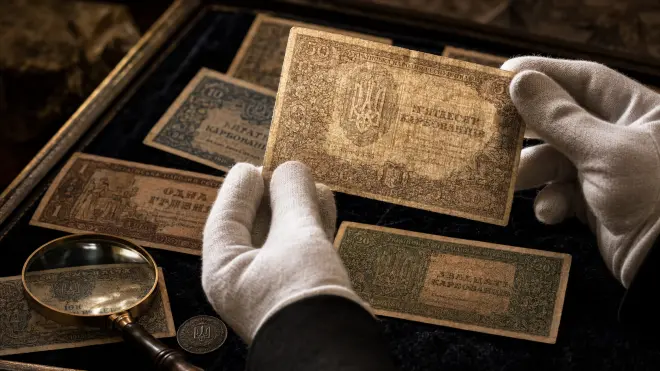
Local Banknotes in Russia 1917–1924: Complete Collector Guide
Introduction to Local Banknotes in Russia
The period between 1917 and 1924 in Russia represents one of the most chaotic and fascinating eras in monetary history. Following the collapse of the Russian Empire and the events of the Civil War, the centralized financial system broke down. As a result, local authorities, private organizations, and even businesses began issuing their own banknotes.
These local issues are often referred to as emergency money or regional currency. Today, they are highly valued by collectors due to their historical significance, rarity, and diversity.
Why Local Banknotes Appeared
The emergence of local banknotes was driven by a shortage of official currency. The central government was unable to supply enough money to support economic activity across the vast territory.
In response, cities, regions, and institutions began printing their own notes to facilitate trade and daily transactions.
This phenomenon was especially common during the Russian Civil War, when multiple authorities controlled different territories.

Types of Local Issues
Local banknotes in this period can be divided into several categories.
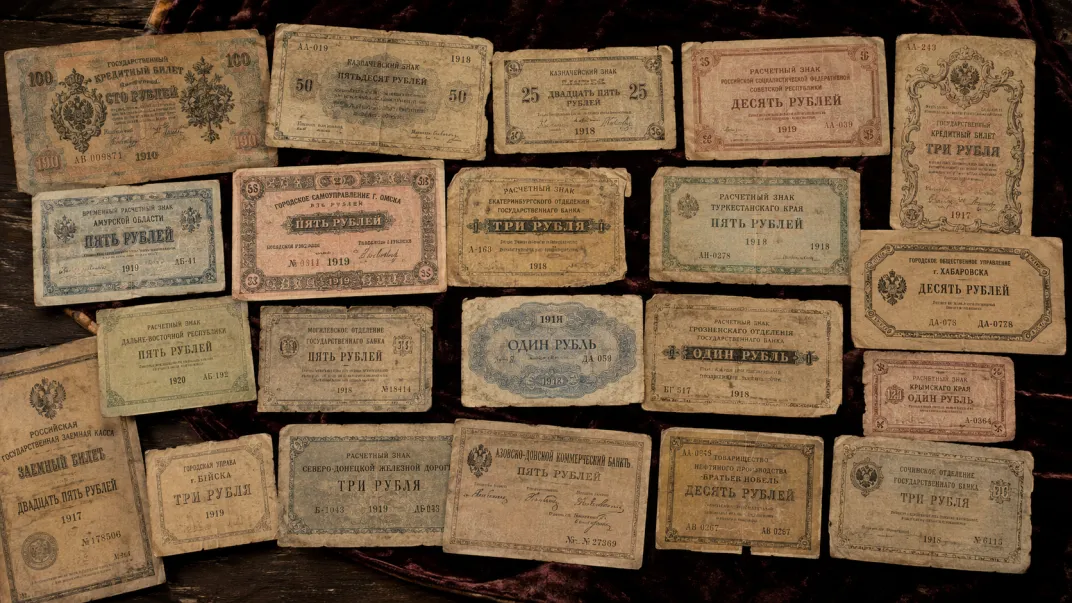
These include municipal issues, regional government banknotes, military emissions, and private or commercial notes.
Each type reflects a specific need and authority behind its issuance.
This diversity makes the study of local banknotes particularly interesting.
Regional Diversity
Different regions of Russia developed their own monetary systems.
Some areas issued relatively well-designed banknotes, while others produced simple notes using limited resources.
This variation reflects the economic and political conditions of each region.
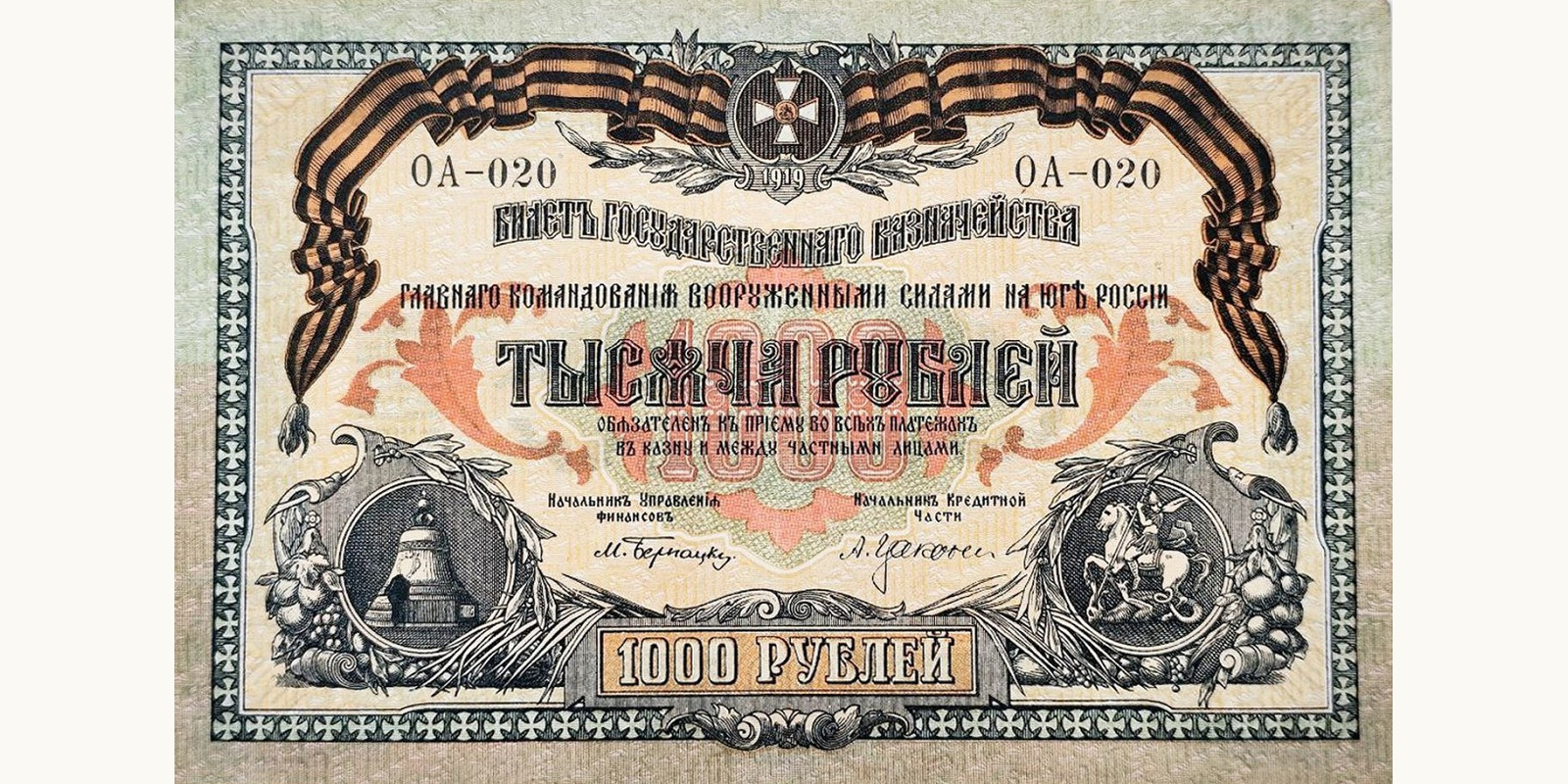
Design and Printing
The design of local banknotes varied greatly.
Some were professionally printed, while others were produced quickly with minimal resources.
Common features include simple typography, basic ornaments, and sometimes handwritten elements.
Despite their simplicity, many of these notes have a unique visual character.
Inflation and Economic Instability
The widespread issuance of local banknotes contributed to inflation.
With multiple authorities printing money, the total supply increased rapidly.
This led to a decline in value and further economic instability.
These conditions are reflected in the large number of different banknotes issued during this period.

Collector Value
Today, local banknotes from 1917–1924 are popular among collectors.
Their value depends on rarity, condition, and historical importance.
Some notes are relatively common, while others are extremely rare.
Collectors often specialize in specific regions or types.
Why These Banknotes Matter
Local banknotes provide insight into a period of economic and political fragmentation.
They show how communities adapted to the collapse of centralized authority.
For historians and collectors, they are valuable historical documents.
Conclusion
The study of local banknotes in Russia between 1917 and 1924 offers a unique perspective on history.
These notes represent resilience, adaptation, and the complexity of economic systems during times of crisis.
For collectors, they remain an essential and fascinating area of study.
Key Facts
| Period | 1917–1924 |
|---|---|
| Type | Local and emergency issues |
| Regions | Multiple across Russia |
| Collector interest | High |
| Rarity | Variable |
FAQ
Why were local banknotes issued?
Lack of official currency
Are they rare?
Some are rare
Who issued them?
Local authorities and businesses
Are they valuable?
Depends on rarity
Related Articles