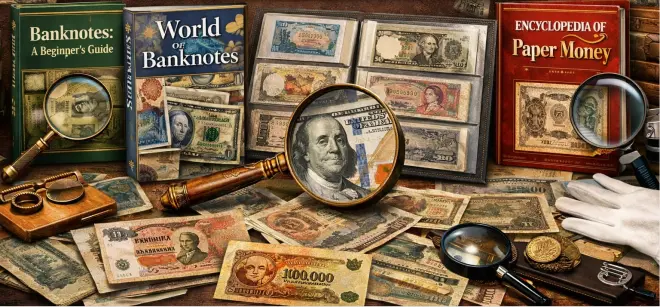
Top Reference Books for World Paper Money Collectors (Ultimate Guide + Best Catalogs Ranked)
Why Every Banknote Collector Needs Reference Books
World paper money collecting is one of the most intellectually demanding and rewarding areas within numismatics. Unlike coins, which are often limited to specific regions or timeframes, banknotes represent a constantly evolving global system of currency, economics, and political change.
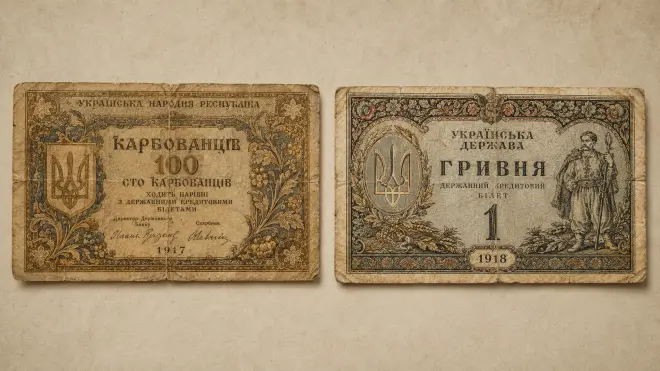
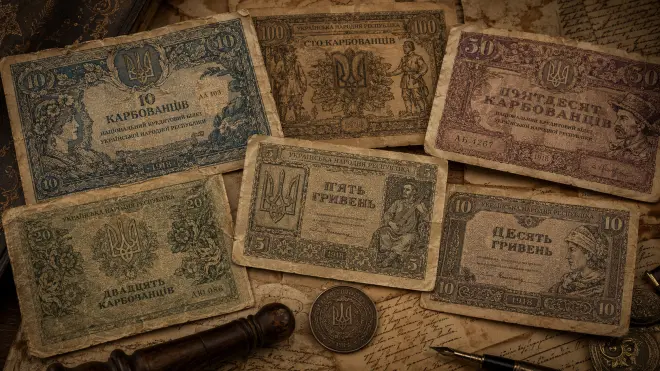
For collectors, this creates both opportunity and complexity. A single country can issue dozens of banknote types, including multiple series, signature variations, replacement notes, and emergency issues. Without a structured system, it becomes extremely difficult to identify and compare banknotes accurately.
This is where reference books become essential.
A high-quality banknote catalog transforms collecting from guesswork into a structured process. Instead of relying on inconsistent online listings, collectors use standardized systems that provide clarity, consistency, and reliability.
If you want to see how real banknotes differ in practice, explore:
https://www.koguja.ee/en/banknotes
This combination of theory and real examples is what separates beginners from serious collectors.
What Makes a Good Banknote Catalog Book
Not all catalog books are equally useful. The best reference books share several key characteristics.
First, they provide a standardized numbering system. This allows collectors worldwide to identify the same banknote using a consistent reference.
Second, they include detailed descriptions. These descriptions often contain critical information such as signature combinations, series variations, and printing differences.
Third, they offer historical context. Understanding when and why a banknote was issued adds depth to collecting and helps identify rare or transitional issues.
Fourth, they are widely recognized within the collecting community. Trusted catalogs create a shared language between collectors, dealers, and auction houses.
Finally, they are practical. A good catalog should help you make real decisions, not just provide theoretical information.
Top Reference Books for World Paper Money Collectors (Ranked)
Below is a carefully selected list of the most important reference books. These books are ranked based on usability, authority, and real-world value for collectors.
Best Overall Reference Book
Standard Catalog of World Paper Money Modern Issues
This is the most widely used catalog in the world. It covers modern banknotes and provides a consistent classification system used globally.
Best for beginners and intermediate collectors.
Best for Historical Banknotes
Standard Catalog of World Paper Money General Issues
This catalog focuses on older banknotes and provides deeper historical coverage. It is essential for collectors interested in pre-modern currencies.
Best for Advanced Collectors
Specialized Paper Money Catalogs
These books focus on specific regions, rare issues, or niche topics such as emergency currencies and hyperinflation notes.
Best for Learning Context
Paper Money of the World
This type of book combines catalog data with historical explanations, making it ideal for collectors who want deeper understanding.
Best for Market Insight
Auction Catalog Collections
Auction catalogs provide insights into rare banknotes and real market prices. They are extremely valuable for advanced collectors.
Best Books by Collector Level
Choosing the right book depends on your experience level.
For beginners, the most important factor is clarity. A global catalog with a simple structure is the best starting point.
For intermediate collectors, combining two catalogs provides better coverage. One for modern issues and one for historical notes.
For advanced collectors, specialized books become essential. These books provide deep insights into specific countries or rare categories.
Understanding your level helps you avoid unnecessary purchases and focus on books that provide real value.
How to Use Catalog Books Like a Professional
Using a catalog correctly is more important than owning many books.
Start by identifying the country of the banknote. Then locate the corresponding section in the catalog.
Pay attention to:
series
signatures
prefixes
design variations
Small differences can significantly affect value.
Always compare multiple sources when possible. Combine catalog information with real examples:
https://www.koguja.ee/en/banknotes
This approach increases accuracy and reduces mistakes.
Common Mistakes That Cost Collectors Money
Many collectors misuse catalogs.
One of the biggest mistakes is relying on catalog prices as exact values. Prices in catalogs are often outdated and should be used as general guidelines.
Another mistake is ignoring variations. Collectors often assume that similar banknotes are identical, missing important differences.
A third mistake is buying too many books without a clear strategy.
The correct approach is simple:
buy fewer books, but use them properly.
How Reference Books Help You Make Money
Knowledge is one of the most powerful advantages in collecting.
Collectors who understand catalogs can:
identify undervalued banknotes
spot rare varieties
avoid overpriced items
This creates opportunities to buy low and sell high.
Reference books also reduce risk. They help avoid fakes, incorrect listings, and misleading descriptions.
Over time, this knowledge compounds, turning collecting into a profitable activity.
Final Conclusion
Reference books are not optional tools. They are the foundation of serious banknote collecting.
They provide structure, clarity, and knowledge that cannot be replaced by random online sources.
Whether you are a beginner or an advanced collector, investing in the right books will significantly improve your results.
The collectors who succeed are not the ones who buy the most banknotes, but the ones who understand them best.
What is the best world paper money catalog?
The Standard Catalog of World Paper Money is the most widely used and trusted reference.
Do I need more than one catalog?
Beginners can start with one, but advanced collectors benefit from multiple books.
Are catalog prices accurate?
They are general guidelines, not exact market prices.
Can books help identify rare banknotes?
Yes, they show variations and classification details.
Is it worth buying expensive reference books?
Yes, if you are serious about collecting and want long-term value.
Related Articles