Hidden Faces in Banknotes: Optical Illusions Explained
Introduction to Hidden Faces in Banknotes
Banknotes are among the most detailed and complex printed objects in everyday use. Designed not only for economic function but also for security and artistic expression, they contain intricate patterns, fine engraving lines, and layered visual elements. These features often produce unexpected visual effects that go beyond the intentions of their designers.
One of the most fascinating phenomena observed by collectors is the appearance of hidden faces within banknote designs. These faces are not officially part of the artwork, yet many observers consistently report seeing them in various currencies. This has led to widespread interest in the topic, especially among numismatists and visual perception researchers.
Hidden faces are not simply curiosities. They represent a deeper interaction between art, perception, and psychology. Understanding this phenomenon provides valuable insight into both banknote design and the human brain.
Why Banknotes Are Prone to Optical Illusions
The design of banknotes relies heavily on complex engraving techniques. These techniques use fine lines, cross-hatching, shading, and repetitive patterns to create detailed images and textures.
Such complexity is necessary for security purposes, as it makes counterfeiting more difficult. However, it also creates dense visual environments in which the human brain can interpret shapes in unexpected ways.
When looking at these patterns, the brain attempts to organize visual information into recognizable forms. This process can result in the perception of faces, figures, or symbols that were never intentionally included in the design.
This is especially true in areas of the banknote that contain organic or irregular shapes, such as smoke, clouds, foliage, or abstract textures.
Pareidolia: The Brain’s Pattern Recognition System
The scientific explanation for seeing faces in banknotes is known as pareidolia. Pareidolia is a psychological phenomenon in which the brain identifies familiar patterns, particularly faces, in random or ambiguous visual data.
This ability is deeply rooted in human evolution. Recognizing faces quickly was essential for survival, as it allowed early humans to identify friends, enemies, and social cues.
As a result, the brain is highly sensitive to facial patterns. Even minimal visual cues, such as two dots and a line, can be interpreted as a face.
In the context of banknotes, the intricate patterns created by engraving techniques provide enough visual complexity to trigger this response.
Common Areas Where Faces Appear
Collectors often report seeing hidden faces in specific parts of banknotes. These areas typically include sections with complex or irregular patterns.
One of the most common areas is smoke or clouds. The flowing shapes and layered shading create conditions where the brain can form facial features.
Another frequent location is decorative borders. Repetitive patterns and symmetrical designs can produce illusions when viewed from different angles.
Shadows and shading around portraits can also create secondary images that resemble faces.
These occurrences are not limited to a single country or time period. They appear in banknotes from all over the world.
Famous Examples from World Banknotes
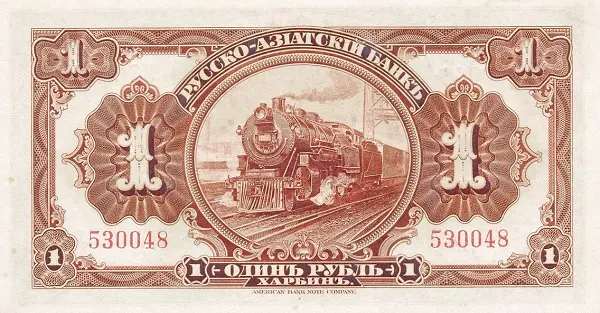
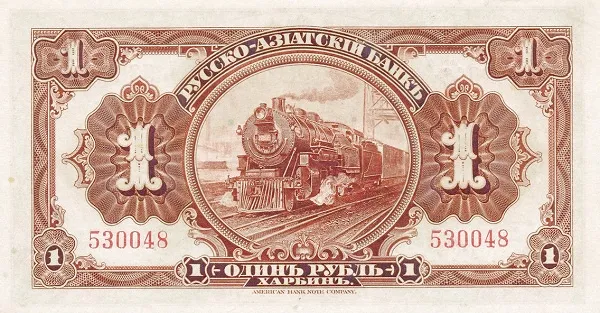
Many collectors have documented cases of hidden faces in various currencies. One of the most well-known examples is the Harbin Ruble, where a face is believed to appear in the smoke of a locomotive.
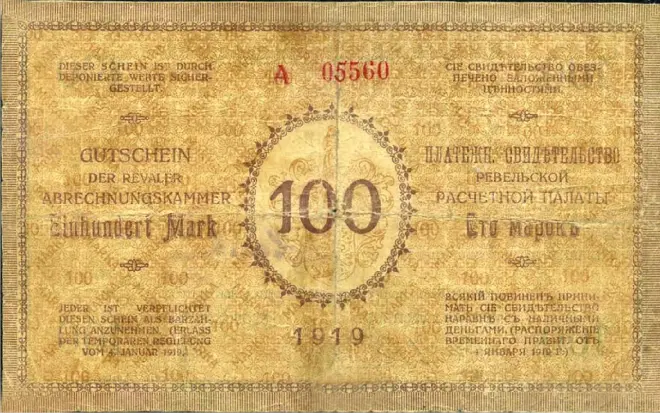
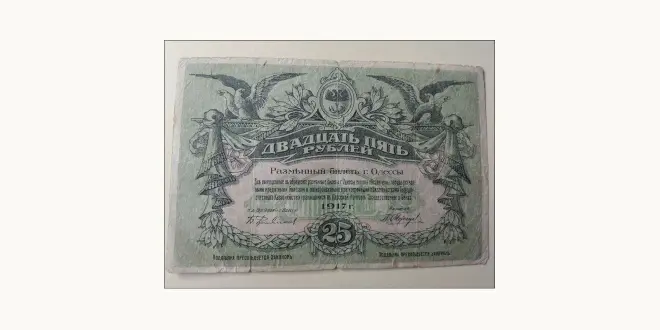
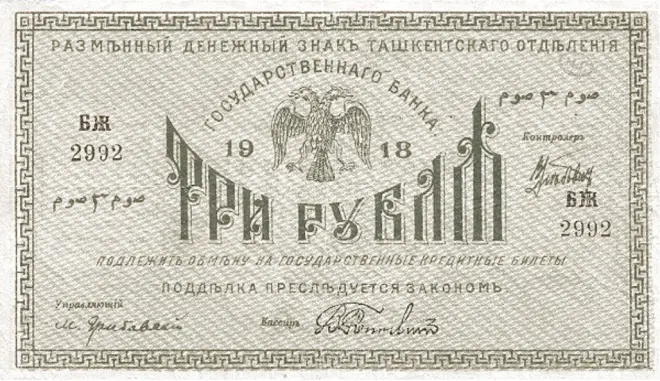
Other examples include European banknotes with elaborate engravings, where faces seem to emerge from decorative elements.
In some cases, collectors claim to see multiple faces within a single banknote, depending on viewing angle and lighting conditions.
These examples demonstrate how widespread and consistent the phenomenon is.
Intentional Design vs Coincidence
A common question is whether these hidden faces are intentional. While some artists throughout history have included hidden elements in their work, there is little evidence that banknote designers intentionally include hidden faces.
Most experts agree that these effects are accidental. The complexity of engraving naturally produces patterns that can be interpreted in multiple ways.
However, the possibility of intentional design continues to intrigue collectors. This uncertainty adds to the appeal and mystery of the phenomenon.
How Lighting and Perspective Affect Perception
The perception of hidden faces can change depending on lighting and viewing angle. Under different lighting conditions, shadows and highlights may emphasize certain patterns while reducing others.
Magnification also plays a role. When a banknote is viewed under a magnifying glass, small details become more visible, increasing the likelihood of seeing patterns.
This variability explains why different collectors may see different images in the same banknote.
Collector Psychology and Interpretation
Collectors are naturally attentive to detail. This makes them more likely to notice subtle patterns and anomalies.
The search for hidden features becomes part of the collecting experience. It transforms the act of observation into a form of discovery.
In some cases, collectors may influence each other. Once a hidden face is reported, others begin to look for it and may see it as well.
This shared experience strengthens the cultural aspect of collecting.
Impact on Value and Demand
Although hidden faces are not officially recognized in catalog descriptions, they can influence market interest.
Banknotes associated with unusual features or stories often attract more attention from collectors. This increased interest can lead to higher demand.
However, the effect on price is usually indirect. The primary factors remain rarity, condition, and historical significance.
Why This Phenomenon Matters
The presence of hidden faces in banknotes highlights the intersection of art and psychology. It shows how design elements can produce unexpected results when interpreted by the human brain.
For collectors, this adds depth to the hobby. It encourages closer examination and a greater appreciation of design complexity.
It also demonstrates that collecting is not only about ownership but also about perception and interpretation.
Conclusion
Hidden faces in banknotes are a fascinating example of how human perception interacts with artistic design. Whether these faces are real or imagined, they enrich the collecting experience and add a layer of mystery to everyday objects.
For collectors, they serve as a reminder that even the smallest details can hold unexpected significance.
Key Facts
| Phenomenon | Pareidolia |
|---|---|
| Trigger | Complex engraving patterns |
| Common areas | Smoke, shadows, ornaments |
| Intentional | Not proven |
| Collector interest | High |
FAQ
Why do people see faces in banknotes?
Because of pareidolia and pattern recognition.
Are these faces real?
They are interpretations, not official design elements.
Do they affect value?
Mostly indirectly through collector interest.
Can everyone see them?
Not always, perception varies.
Related Articles