Design and Symbolism of Odessa Banknotes 1917–1918: Art, Power and Identity
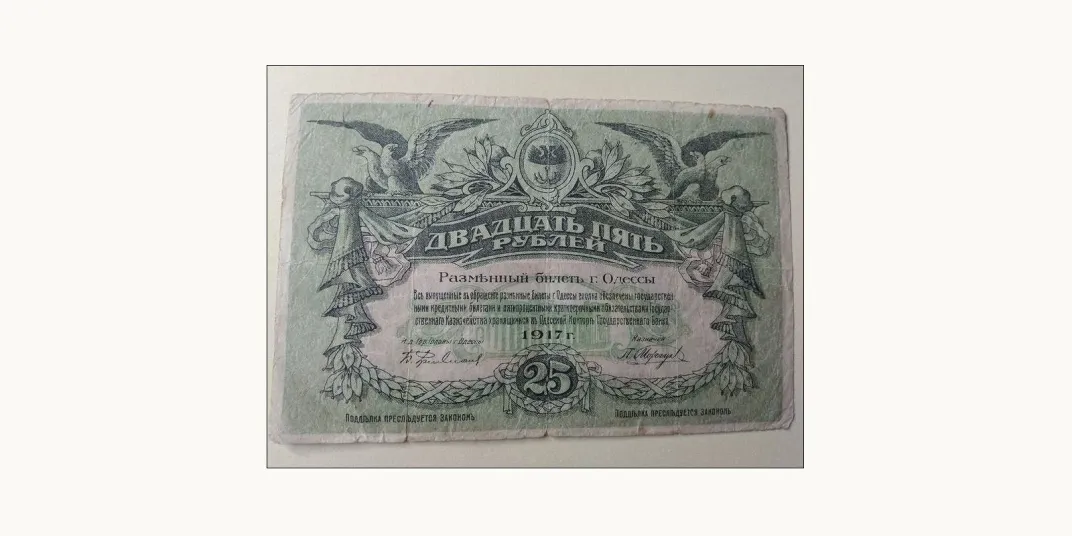
Introduction to Odessa Banknote Design
The banknotes issued in Odessa between 1917 and 1918 are not only financial instruments but also powerful historical artifacts that reflect a period of political chaos, economic collapse, and regional identity formation. Unlike standard imperial currency, these notes were created in a unique environment where local authorities had to rapidly establish monetary independence.
The design of Odessa banknotes reveals much more than denomination and issuing authority. It reflects political ambitions, cultural influences, artistic traditions, and practical constraints. Every detail, from typography to symbolism, was shaped by urgency and necessity.
Historical Context Behind the Design
During the collapse of the Russian Empire, Odessa became a major economic center struggling with cash shortages. Authorities had to issue their own currency to maintain economic activity.
This urgency influenced design decisions. There was little time for complex artistic development, yet the creators managed to produce visually distinctive banknotes.
The notes had to inspire trust while also being quickly produced. This balance between functionality and symbolism defines their design.
Typography and Visual Structure
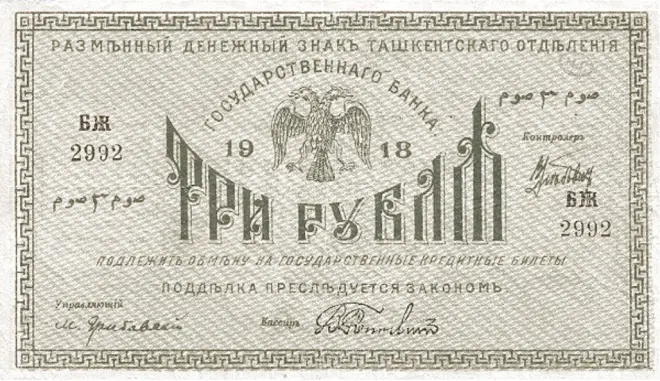
One of the most striking elements of Odessa banknotes is their typography.
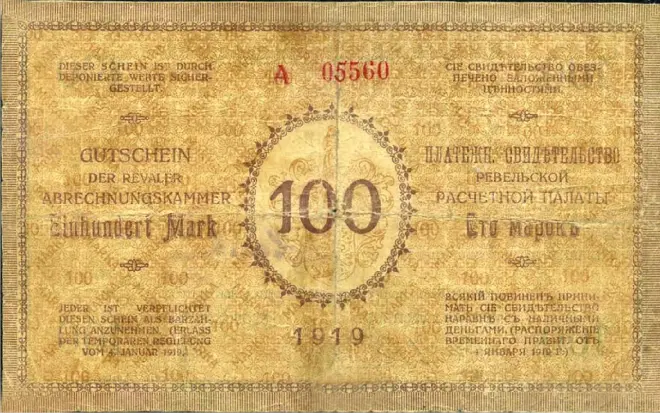
The text is typically bold, clear, and highly legible, reflecting the need for quick recognition. Fonts often combine traditional imperial styles with simplified forms suitable for mass printing.
The layout is structured but not overly complex. This simplicity was intentional, allowing faster production while maintaining visual authority.
Symbolism and Political Messaging
Symbols on Odessa banknotes carry deep political meaning.
The use of emblems, coats of arms, and decorative motifs reflects an attempt to establish legitimacy. In a time of political fragmentation, currency design became a tool of authority.
These symbols communicated stability, even when the underlying reality was unstable.
Artistic Influences
The artistic style of Odessa banknotes reflects a mix of influences.
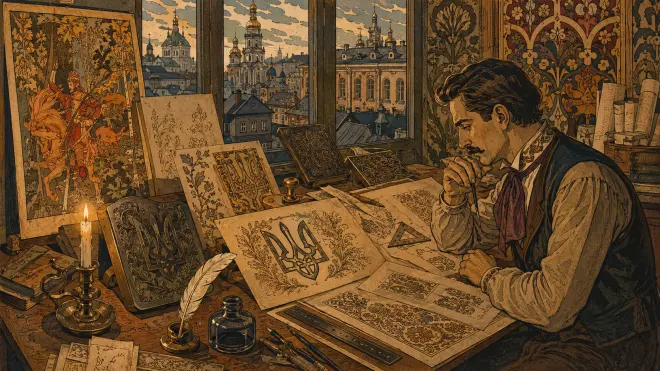
Elements of classical European design are visible in ornamental borders and symmetrical layouts. At the same time, local artistic traditions influenced certain decorative features.
This combination creates a unique visual identity that distinguishes Odessa notes from other regional issues.
Security Features and Limitations
Due to the urgency of production, security features were limited compared to official state banknotes.
Watermarks were often absent or simplified. Printing techniques relied on available local resources.
However, certain elements such as intricate patterns and detailed borders were used to reduce counterfeiting.
Color and Visual Identity
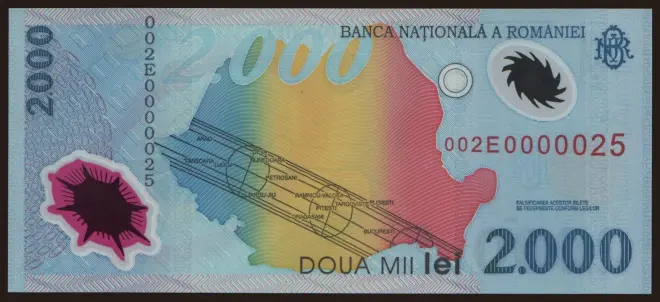
Color played an important role in distinguishing denominations.
Different notes used distinct color schemes, making them easier to identify.
At the same time, the color palette was limited by printing capabilities, resulting in relatively simple but effective designs.
Comparison with Imperial and Soviet Notes
Compared to imperial Russian banknotes, Odessa issues appear simpler and more functional.
Imperial notes often featured elaborate engravings and advanced printing techniques.
Odessa notes, in contrast, reflect a transitional period where practicality was more important than artistic perfection.
Collector Perspective
For collectors, the design of Odessa banknotes adds significant value.
These notes represent a unique historical moment and showcase regional creativity under pressure.
Collectors often study design details to understand variations and authenticity.
Conclusion
The design of Odessa banknotes is a reflection of crisis, adaptation, and identity.
Despite limited resources and extreme conditions, these notes managed to combine functionality with symbolic meaning.
Today, they remain an important subject for collectors and historians alike.
| Period | 1917–1918 |
|---|---|
| Location | Odessa |
| Type | Emergency currency |
| Style | Functional design |
| Symbolism | Political identity |
Why were the designs simple?
Due to urgent production
Did they include security features?
Limited ones
What makes them unique?
Local symbolism
Are they valuable today?
Yes, for collectors
Related Articles