Money Shortage in the Don Region 1918: Crisis, Emergency Currency, and Real Prices
Introduction to the Money Crisis in the Don Region
The year 1918 marked one of the most dramatic periods in the monetary history of Southern Russia. In the Don region, including Rostov-on-Don, the collapse of the Russian Empire and the outbreak of the Civil War led to a severe shortage of money.
The traditional financial system ceased to function, and the region became economically isolated. As a result, everyday transactions became increasingly difficult, and both authorities and citizens were forced to adapt rapidly.
This period is often described as a “money famine,” reflecting the acute lack of circulating currency.
Causes of the Money Shortage
The main cause of the crisis was the breakdown of centralized financial control. After 1917, the state could no longer supply sufficient banknotes to the regions.
Rostov and the Don area became effectively cut off from major financial centers.
At the same time, coins and official banknotes disappeared from circulation. People began hoarding money, further reducing liquidity in the market.
This combination of factors created a perfect storm that led to a complete monetary crisis.
Disappearance of Official Currency
One of the most striking features of the crisis was the rapid disappearance of official money.
Imperial banknotes and coins were either hidden, removed from circulation, or transported away.
Even widely used notes such as Kerensky rubles became scarce.
Banks quickly ran out of available funds, making withdrawals impossible for many citizens.
This forced both individuals and institutions to seek alternative solutions.
Emergency Solutions and Surrogate Money
To cope with the shortage, local authorities and organizations began issuing substitute forms of money.
These included government treasury notes, bonds, and various forms of temporary currency.
Some of these instruments were originally not intended for everyday transactions but were adapted due to necessity.
This improvisation highlights the flexibility of economic systems under extreme pressure.
Types of Emergency Currency
Several types of emergency money circulated in the Don region.
These included treasury obligations, loan bonds, and coupon-based financial instruments.
In some cases, even detached coupons from earlier financial issues were used as money.
These forms of currency varied widely in appearance, value, and acceptance.
The diversity of these emissions reflects the chaotic nature of the economy at the time.
Real Prices During the Crisis
One of the most valuable insights into this period comes from recorded market prices.
In early 1918, essential goods in Rostov reached the following approximate prices:
Flour could cost between 150 and 180 rubles per unit.
Meat was sold for around 1 ruble 50 kopeks per pound.
Eggs cost approximately 10 to 13 rubles per dozen.
Milk was priced at about 5 rubles per liter.
These figures demonstrate the effects of inflation and scarcity on daily life.
For historians and collectors, such data provides a tangible connection to the economic reality of the time.
Issuance of Don Regional Banknotes
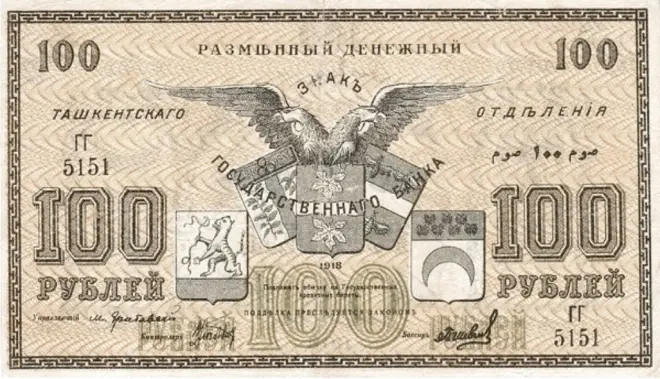
In response to the crisis, the Don authorities initiated their own banknote emissions.
These local banknotes were intended to stabilize the economy and provide a medium of exchange.
The first issues appeared in early 1918 and quickly gained circulation.
Despite their limitations, they played a crucial role in restoring basic economic activity.
Design and Production Features
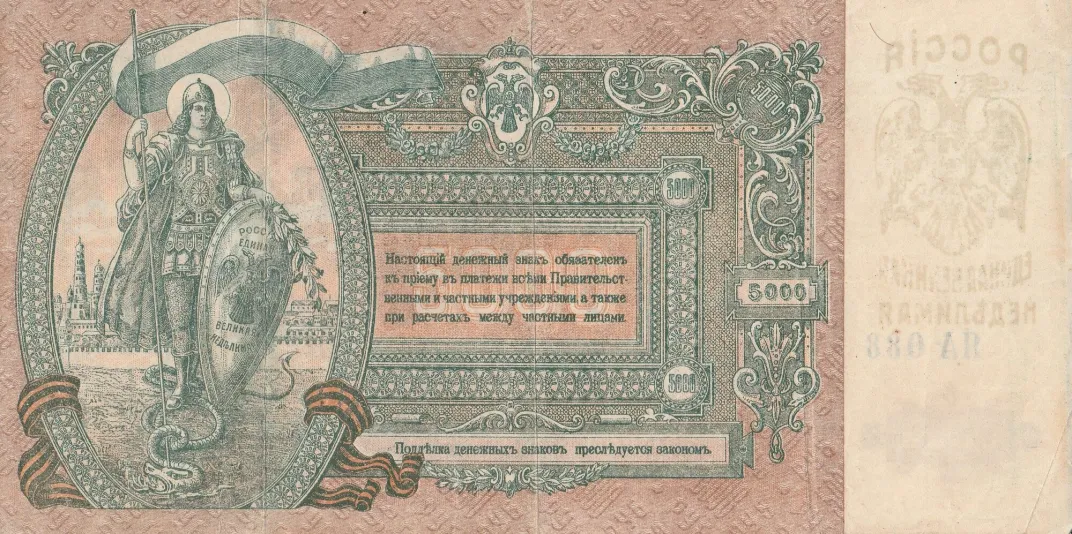
The design of Don banknotes varied depending on available resources.
Some were produced using relatively advanced printing techniques, while others were simpler.
Common elements included official signatures, serial numbers, and decorative frames.
Due to time constraints, security features were often limited.
Nevertheless, these banknotes remain distinctive and historically important.
Political Changes and Their Impact
The political situation in the Don region was highly unstable.
Control of the territory changed multiple times during the Civil War.
Each shift in power affected the issuance and circulation of currency.
Some banknotes were quickly replaced or became invalid due to regime changes.
This further complicated the monetary environment.
Economic Consequences
The lack of stable currency had serious economic consequences.
Trade slowed down, prices fluctuated, and trust in money declined.
Barter transactions became more common as people lost confidence in paper money.
The economy entered a state of uncertainty and instability.
Collector Value and Historical Importance
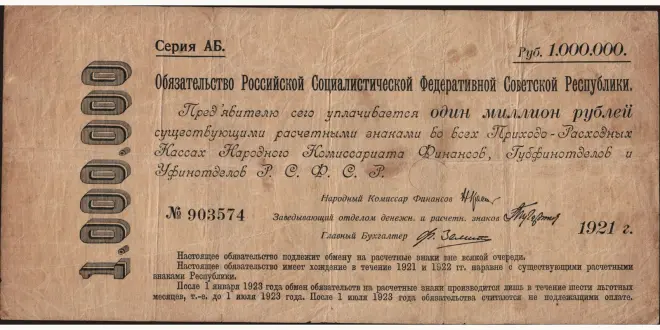
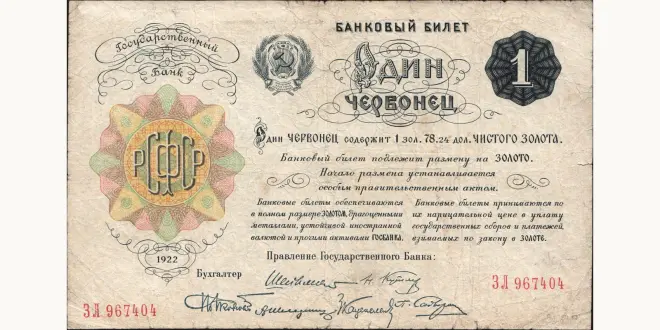
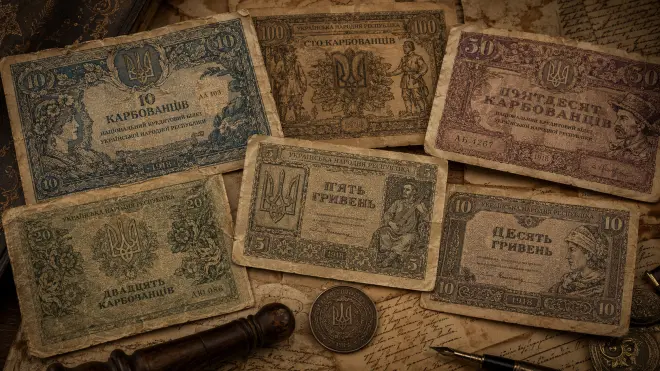
Today, banknotes from the Don region in 1918 are highly valued by collectors.
Their rarity, historical context, and diversity make them attractive for study and investment.
These banknotes serve as primary historical documents, reflecting one of the most turbulent periods in Russian history.
Conclusion
The money shortage in the Don region in 1918 represents a unique example of economic adaptation under extreme conditions.
The emergence of emergency currency, the collapse of traditional systems, and the rapid changes in political control created a complex monetary environment.
For collectors and historians, this period offers valuable insights into both economic and social history.
Key Facts
| Region | Don / Rostov |
|---|---|
| Year | 1918 |
| Problem | Money shortage |
| Solution | Emergency currency |
| Impact | Inflation and instability |
FAQ
Why was there a money shortage?
Collapse of centralized system
What money was used?
Emergency and local issues
Were prices high?
Yes, due to inflation
Are these banknotes collectible?
Yes, highly
Related Articles