Inflation and Prices in Civil War Russia: How Money Lost Its Value
Introduction to Inflation in Civil War Russia
The period between 1917 and 1922 in Russia was marked by one of the most dramatic economic collapses in modern history. The Russian Civil War not only reshaped political power but also destroyed the financial system that had existed under the Russian Empire.
Inflation became one of the most visible and devastating consequences of this collapse. Prices rose rapidly, currencies lost their value, and everyday life became increasingly difficult for ordinary people.
For collectors and historians, this period offers a unique insight into how money behaves under extreme stress. Banknotes from this era are not just financial instruments but powerful historical documents that reflect the chaos of war and economic breakdown.
What Caused Inflation During the Civil War
Inflation in Civil War Russia did not occur suddenly. It was the result of multiple overlapping factors that together destroyed the stability of the monetary system.
One of the primary causes was excessive money printing. Both the Bolsheviks and anti-Bolshevik forces issued large quantities of paper money to finance military operations. Without sufficient backing, this led to a rapid increase in money supply.
At the same time, industrial production collapsed. Factories stopped working, transportation networks broke down, and goods became scarce. When fewer goods are available but more money is circulating, prices inevitably rise.
Political fragmentation also played a role. Different regions issued their own currencies, creating confusion and weakening trust in money.
The Collapse of the Russian Ruble
Before the revolution, the Russian ruble had been a relatively stable currency. However, during the Civil War, it lost most of its value.
As inflation accelerated, people began to lose confidence in the ruble. Prices changed daily, and sometimes even hourly. Wages could no longer keep up with the cost of living.
In many areas, the ruble was replaced by alternative currencies or even barter systems. Goods such as food, fuel, and clothing became more reliable forms of value than paper money.
This loss of confidence is a key factor in understanding hyperinflation. Once people stop trusting money, its value can collapse extremely quickly.
Hyperinflation and Its Effects
Hyperinflation occurs when prices rise at an extremely high rate over a short period. During the Civil War, Russia experienced conditions that closely resemble hyperinflation.
Prices for basic goods increased dramatically. Bread, one of the most essential items, became increasingly expensive and difficult to obtain.
People were forced to spend money immediately, as holding cash meant losing value. Savings were effectively destroyed, and long-term financial planning became impossible.
This environment created widespread economic instability and contributed to social unrest.
Everyday Life During Inflation
For ordinary citizens, inflation had a direct and severe impact on daily life.
Workers often received wages that were already outdated by the time they were paid. This meant that even employed individuals struggled to afford basic necessities.
Many people turned to barter, exchanging goods instead of using money. Farmers, in particular, preferred to trade food directly rather than accept rapidly devaluing currency.
Urban populations suffered the most, as they relied heavily on cash to purchase food and other essentials.
Regional Currencies and Monetary Chaos
One of the defining features of the Civil War period was the existence of multiple currencies.
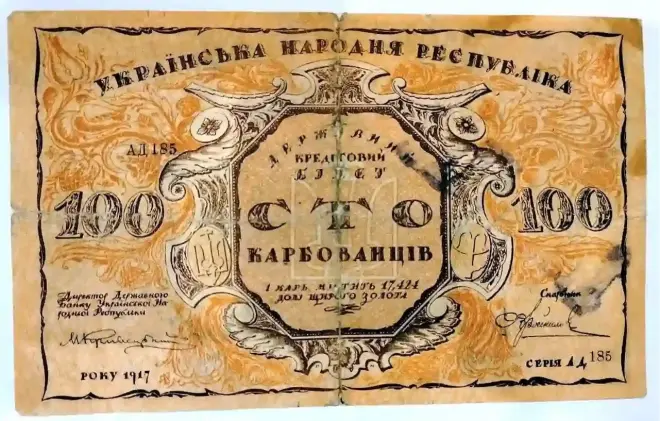
Different governments, armies, and regional authorities issued their own banknotes. These included White Army issues, local currencies, and emergency notes produced by cities and regions.
This created a fragmented monetary system where different types of money had different values depending on location.
As a result, trade between regions became extremely complicated, further contributing to economic decline.
Price Instability and Market Breakdown
In a stable economy, prices provide reliable information about value. During the Civil War, this system broke down completely.
Prices could change multiple times in a single day. Merchants often adjusted prices based on uncertainty rather than actual supply and demand.
This unpredictability made it difficult for both buyers and sellers to plan transactions.
The breakdown of price stability is one of the key characteristics of economic collapse.
Banknotes as Evidence of Inflation
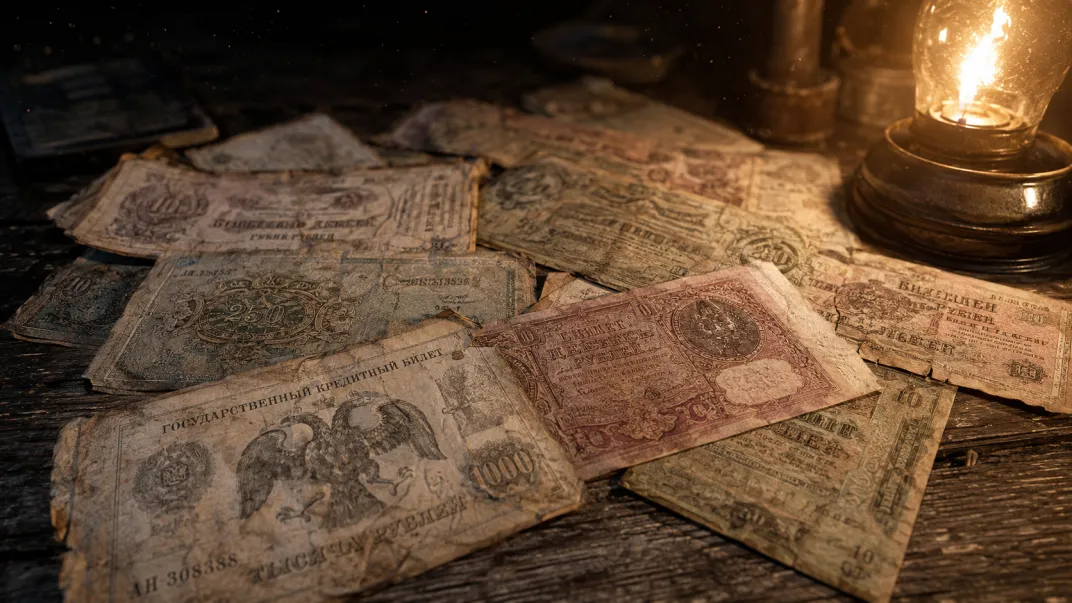
Banknotes issued during the Civil War provide clear evidence of inflation.
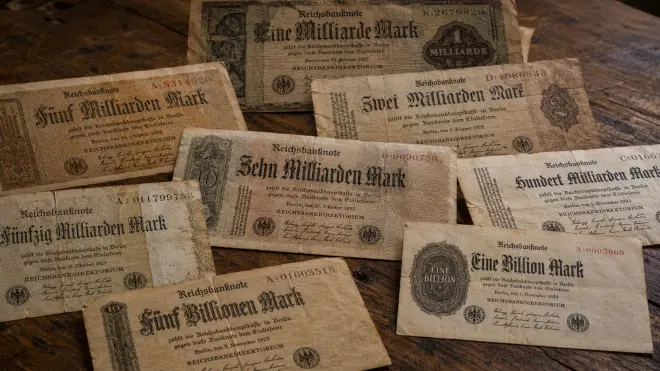
One of the most noticeable features is the increasing denomination of notes. Governments printed higher and higher values in an attempt to keep up with rising prices.
These high-denomination notes are often visually striking and are highly valued by collectors today.
They serve as physical proof of how quickly money can lose its purchasing power.
Comparison with Other Historical Inflations
The inflation in Civil War Russia can be compared with other historical cases, such as Germany in 1923 or Zimbabwe in the 2000s.
In each case, excessive money printing and economic disruption played a central role.
However, the Russian case is unique because it combined inflation with a civil war, political fragmentation, and a complete collapse of central authority.
This makes it one of the most complex examples of inflation in history.
Impact on Collectors and Historical Research
For collectors, banknotes from this period offer both historical and financial value.
They provide insight into the economic conditions of the time and allow researchers to study how different authorities responded to crisis.
Collectors often focus on specific regions or types of notes, such as emergency issues or high-denomination banknotes.
The diversity of issues makes this area particularly rich for study.
Investment Potential of Civil War Banknotes
Interest in Civil War banknotes has grown significantly in recent years.
As more collectors enter the market, demand for rare and well-preserved notes continues to increase.
Banknotes from this period are limited in supply, which adds to their long-term investment potential.
However, collectors should always consider authenticity and condition when purchasing.
Lessons from Inflation
The experience of inflation during the Russian Civil War provides important lessons.
It shows how quickly a monetary system can collapse when trust is lost.
It also highlights the importance of economic stability and responsible financial policies.
Understanding this history helps both collectors and economists better interpret modern financial crises.
Conclusion
Inflation during the Russian Civil War was not just an economic phenomenon but a reflection of a broader societal collapse.
Prices rose uncontrollably, currencies lost value, and everyday life became increasingly difficult.
Today, banknotes from this period serve as a powerful reminder of these events.
They are not only collectible items but also important historical documents that tell the story of one of the most turbulent periods in Russian history.
Key Facts
| Period | 1917–1922 |
|---|---|
| Main cause | Excessive money printing |
| Effect | Currency collapse |
| System | Multiple currencies |
| Collector value | High |
FAQ
What caused inflation in Civil War Russia?
Excessive money printing and economic collapse
Was it hyperinflation?
In many regions it reached hyperinflation levels
Did people stop using money?
In some cases yes, barter was used
Are these banknotes collectible?
Yes, they are highly valued
Related Articles