German Inflation 1923 Banknotes: History, Design, and Collector Value
Introduction to German Inflation Banknotes
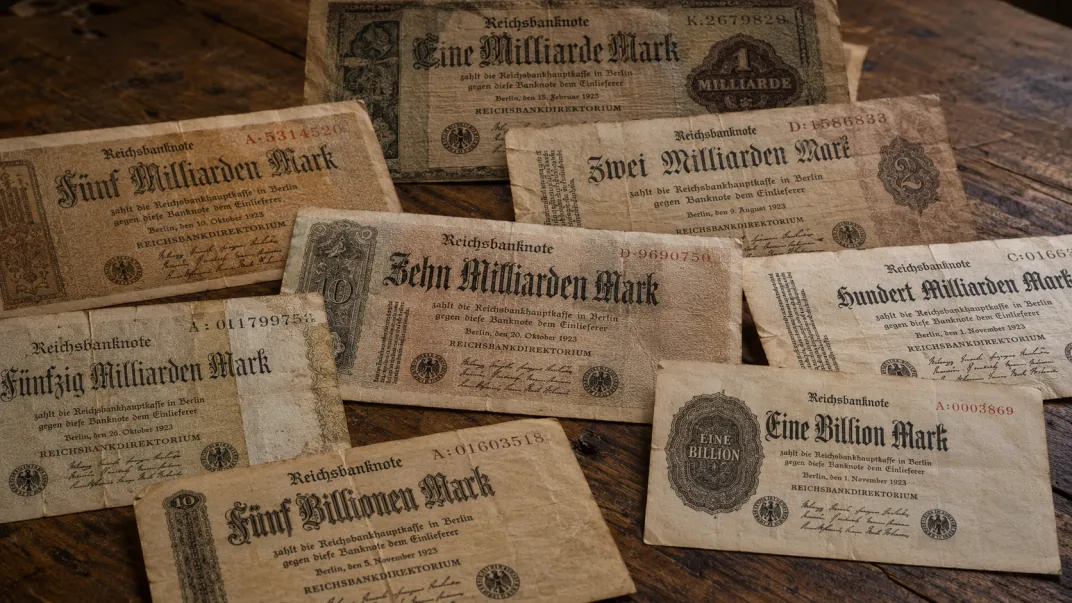
The German hyperinflation of 1923 remains one of the most dramatic financial events in modern history. During this period, the value of money collapsed so rapidly that banknotes had to be printed in ever-increasing denominations, reaching millions, billions, and even trillions of marks.
These banknotes are not only historical artifacts but also powerful symbols of economic instability. Today, they are widely collected due to their unique design, extreme denominations, and historical significance.
For collectors, German inflation banknotes represent a fascinating combination of history, economics, and visual design.
What Caused Hyperinflation in Germany
The roots of hyperinflation in Germany can be traced back to the aftermath of World War I. The country faced massive war debts and was required to pay heavy reparations under the Treaty of Versailles.
To meet these obligations, the government began printing large amounts of money. This led to a rapid increase in the money supply without corresponding economic growth.
As a result, the value of the German mark began to decline. Prices started rising, and the situation quickly escalated into hyperinflation.
By 1923, the currency had lost almost all of its value. Everyday goods required enormous amounts of money, and banknotes with extremely high denominations became necessary.

The Explosion of Denominations
One of the most striking aspects of German inflation banknotes is their denominations. Early in the inflation period, banknotes were issued in thousands and tens of thousands of marks.
However, as inflation accelerated, denominations increased rapidly. Millions were followed by billions, and eventually trillions of marks.
At the peak of hyperinflation, banknotes such as 100 billion marks or even 100 trillion marks were in circulation.
This extraordinary escalation makes these banknotes some of the most unusual in the history of currency.
Notgeld and Emergency Currency
In addition to official government-issued banknotes, many local authorities and private organizations began issuing their own currency, known as Notgeld.
Notgeld was originally intended as temporary emergency money. However, during hyperinflation, it became a significant part of everyday transactions.
These notes were often produced quickly and with limited resources, resulting in a wide variety of designs, materials, and printing techniques.
For collectors, Notgeld offers an incredibly diverse and creative area of study.

Design Characteristics of Inflation Banknotes
German inflation banknotes display a wide range of design styles. Some are highly detailed with intricate engravings, while others are simple and functional due to the urgency of production.
Common design elements include large denomination numbers, bold typography, and decorative borders.
Because of the need for rapid printing, some notes were produced with lower quality materials, including paper substitutes.
Despite these limitations, many banknotes still exhibit artistic creativity and unique visual appeal.
Hidden Details and Visual Complexity
The complex patterns found in many German inflation banknotes often create visual effects such as optical illusions.
Collectors sometimes report seeing faces or figures within decorative elements and background patterns.
These effects are usually the result of pareidolia rather than intentional design.
Nevertheless, they add an additional layer of interest to these already fascinating banknotes.

How People Used These Banknotes
During hyperinflation, money lost value so quickly that people had to spend it immediately. Prices could double within hours.
Workers were often paid multiple times a day so they could use their wages before they became worthless.
In some cases, banknotes were used as fuel or even as wallpaper, as they were cheaper than other materials.
These extreme conditions illustrate the severity of the economic crisis.
The End of Hyperinflation
The hyperinflation crisis ended in late 1923 with the introduction of a new currency, the Rentenmark.
This new currency was backed by assets and helped restore confidence in the financial system.
The introduction of the Rentenmark stabilized prices and marked the end of one of the most chaotic periods in economic history.
Collecting German Inflation Banknotes
Today, German inflation banknotes are widely collected. Their historical importance and unusual features make them appealing to both beginner and advanced collectors.
There is a wide range of available notes, from common issues to rare and highly valuable pieces.
Collectors often focus on specific themes, such as denominations, regions, or types of Notgeld.
Value and Market Demand
The value of these banknotes varies depending on rarity, condition, and demand.
Many inflation notes are relatively affordable, making them accessible to new collectors.
However, rare issues, unusual designs, or notes in excellent condition can command higher prices.
Historical significance also plays a major role in determining value.
Why These Banknotes Are Important
German inflation banknotes serve as a reminder of the dangers of economic instability.
They illustrate how quickly a financial system can collapse and how this affects everyday life.
For collectors and historians, they provide valuable insight into one of the most extreme economic events in history.
Conclusion
The banknotes of German hyperinflation in 1923 are unique artifacts that combine history, economics, and design.
Their extreme denominations and diverse styles make them stand out among all world currencies.
For collectors, they offer both educational value and visual interest, making them an essential part of any banknote collection.
Key Facts
| Country | Germany |
|---|---|
| Period | 1923 |
| Max denomination | Trillions of marks |
| Type | Inflation and Notgeld |
| Collector interest | Very high |
FAQ
Why are denominations so high?
Because of hyperinflation
What is Notgeld?
Emergency local currency
Are these banknotes rare?
Many are common, some are rare
Are they expensive?
Often affordable for beginners
Related Articles