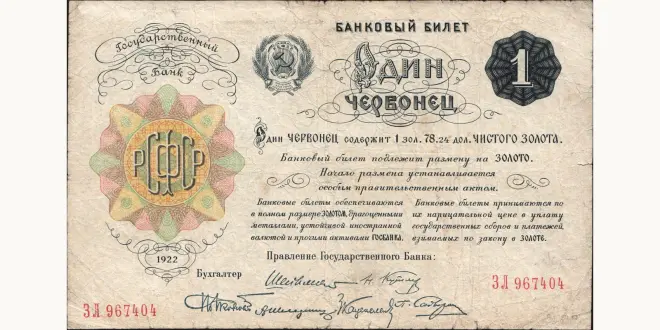
What is Hyperinflation: Complete Guide to Causes, Economic Collapse and Extreme Banknotes

Introduction: Understanding Hyperinflation in Modern and Historical Context
Hyperinflation is one of the most dramatic and destructive economic phenomena ever observed. It represents a complete breakdown of a country’s monetary system, where prices rise uncontrollably and money rapidly loses its value. While moderate inflation is a natural and even necessary part of economic growth, hyperinflation signals a deep structural crisis.
This phenomenon has occurred throughout history in different regions and under various circumstances, often during wars, political instability, or economic mismanagement. From the collapse of the Weimar Republic in 1923 to Zimbabwe’s extreme inflation in the 2000s, hyperinflation has repeatedly demonstrated how fragile monetary systems can be.
This article provides a comprehensive explanation of hyperinflation, including its causes, mechanisms, historical examples, and its connection to extreme banknote denominations.
What Defines Hyperinflation
Hyperinflation is typically defined as inflation exceeding 50 percent per month. At this level, prices can double within days or even hours, making it impossible for money to function as a store of value.
During hyperinflation, people lose trust in the currency. Instead of saving, they rush to spend money immediately before it loses value. This behavior accelerates inflation further, creating a self-reinforcing cycle.
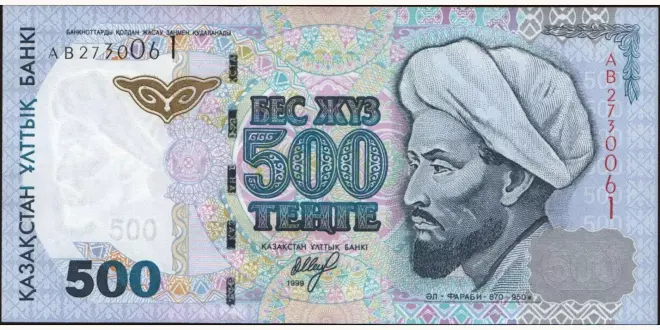
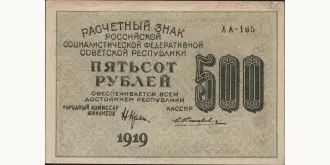
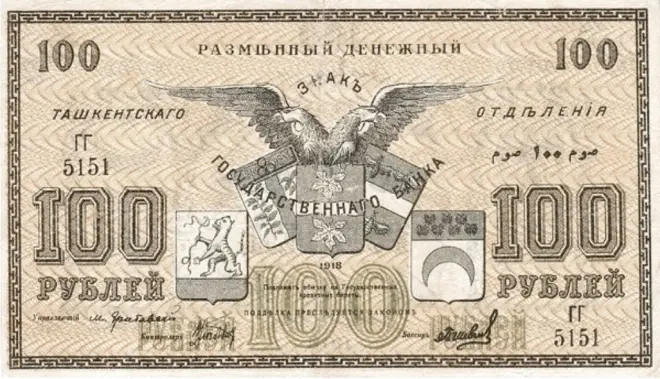
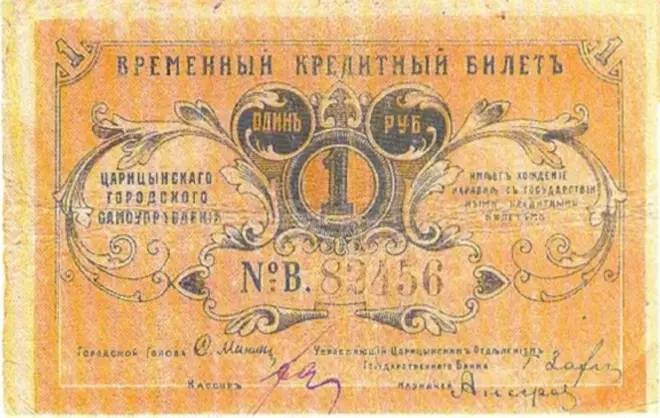
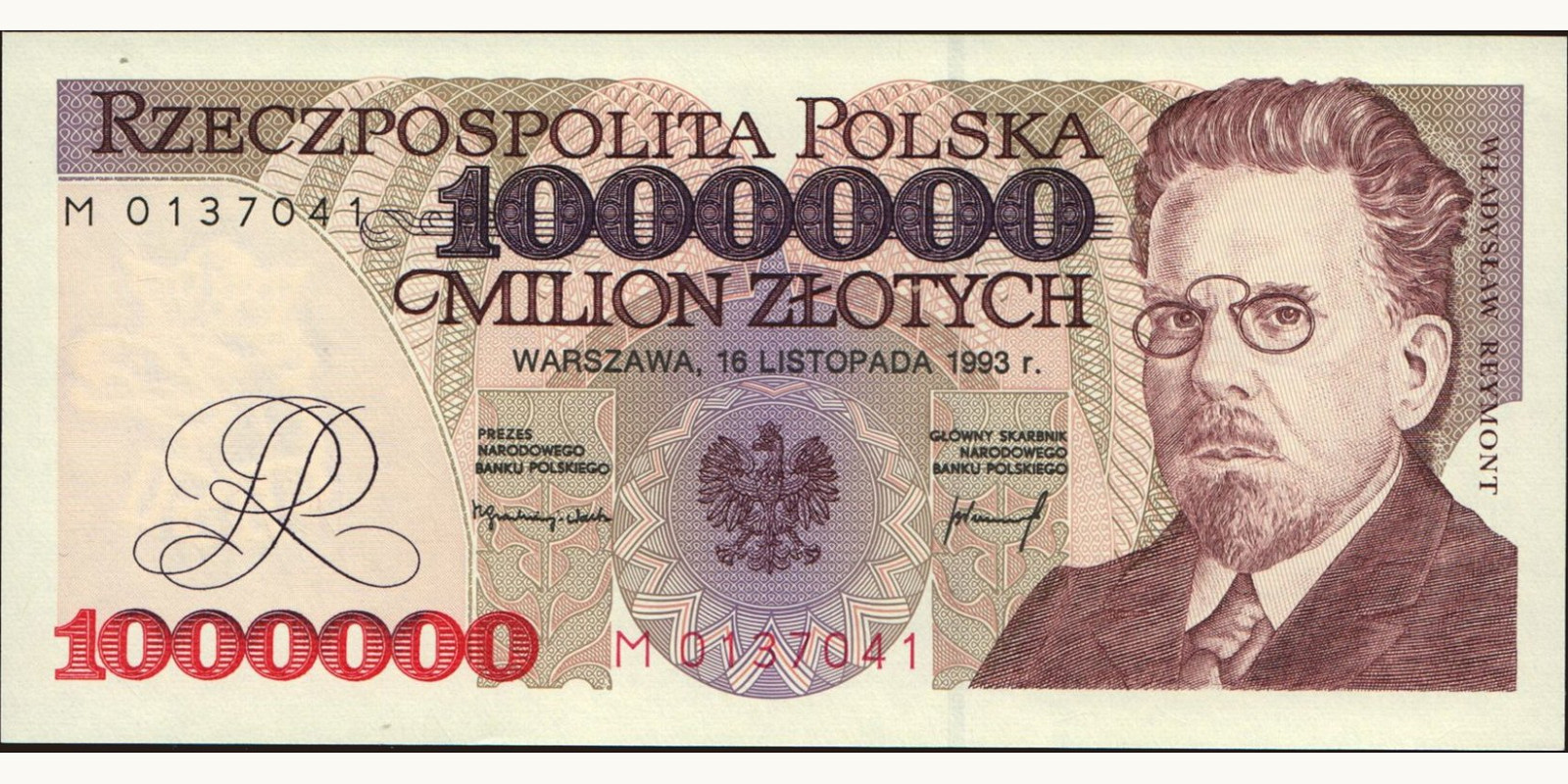
Extreme cases of hyperinflation often result in the issuance of very high denomination banknotes, as seen in Million Banknotes of the 1990s.
Core Causes of Hyperinflation
Hyperinflation rarely occurs due to a single factor. It is usually the result of a combination of economic and political failures.
The primary cause is excessive money printing. Governments often print money to finance deficits, especially during crises. This increases the money supply without a corresponding increase in goods and services.
Another major factor is the collapse of production. When fewer goods are available, prices naturally rise.
Loss of confidence plays a crucial role. When people believe a currency will lose value, they act in ways that accelerate inflation.
Political instability and war also contribute significantly, as they disrupt economic systems and lead to emergency monetary policies.
Psychological Mechanism of Hyperinflation
Hyperinflation is not purely an economic process—it is also psychological.
When people expect prices to rise, they spend money faster. Businesses increase prices in anticipation of higher costs. Workers demand higher wages. These behaviors reinforce inflation.
This feedback loop makes hyperinflation extremely difficult to control once it begins.

Historical Case: Germany 1923
Germany’s hyperinflation in 1923 is one of the most famous examples.
After World War I, Germany faced massive reparations and economic instability. The government printed money to meet obligations, leading to rapid inflation.
Prices doubled every few days. Workers were paid multiple times a day. People carried money in baskets.
More details are explored in Germany 1923 Inflation.
Historical Case: Zimbabwe
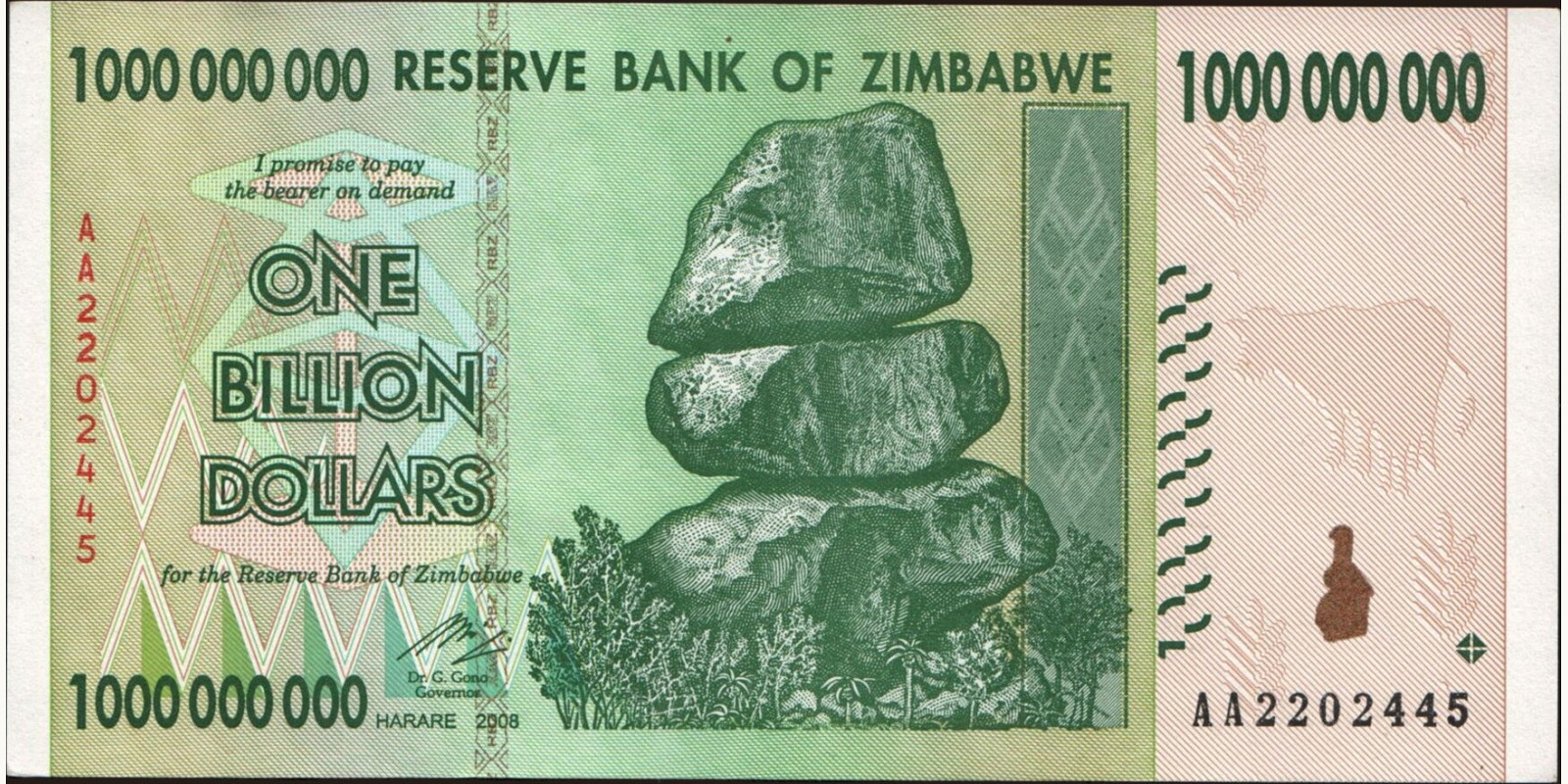
Zimbabwe experienced one of the most extreme hyperinflations in modern history.
Economic decline, political instability, and agricultural reforms led to a collapse in production. The government printed money to compensate, triggering hyperinflation.
Banknotes reached denominations of billions and trillions.
See Zimbabwe Billion Dollar Notes.
Hyperinflation in Post-Soviet Countries
In the 1990s, many former Soviet countries experienced hyperinflation.
Ukraine, Georgia, and Belarus issued banknotes with extremely high denominations. These notes reflected economic instability rather than wealth.
See Million Banknotes of the 1990s.
Why High Denomination Banknotes Appear
High denomination banknotes are a direct result of hyperinflation.
As prices increase, small denominations become useless. Governments issue larger notes to facilitate transactions.
These banknotes are now important historical and collectible items.
Impact on Society
Hyperinflation has devastating social consequences.
Savings are destroyed. Salaries lose value rapidly. Planning becomes impossible. People turn to barter or foreign currencies.
Trust in institutions declines significantly.
Impact on Business and Economy
Businesses face unpredictable pricing, supply chain disruptions, and reduced investment.
Economic growth collapses, unemployment rises, and financial systems weaken.
How Hyperinflation Ends
Ending hyperinflation requires strong intervention.
The most common solution is currency reform.
See How Currency Reform Works.
Currency Reform Strategies
There are several approaches:
Redenomination removes zeros
New currency replaces old money
Dollarization adopts foreign currency
Each method aims to restore trust and stability.
Lessons from Hyperinflation
Hyperinflation teaches critical economic lessons.
Control of money supply is essential
Central bank independence matters
Public trust is fundamental
Hyperinflation and Collecting
For collectors, hyperinflation banknotes are unique historical artifacts.
Million and billion notes are especially popular due to their rarity and story.
Conclusion
Hyperinflation represents the ultimate failure of monetary policy.
Understanding it helps prevent future crises and provides insight into economic history.
| Definition | Inflation above 50 percent per month |
|---|---|
| Main cause | Money printing |
| Examples | Germany 1923, Zimbabwe |
| Effect | Currency collapse |
| Solution | Currency reform |
Question
What is hyperinflation
Answer
It is extremely rapid inflation that destroys money value
Question
Why do million banknotes appear
Answer
Because smaller denominations become useless
Question
Which countries had hyperinflation
Answer
Germany, Zimbabwe, and post-Soviet states
Question
How does it end
Answer
Through currency reform and strict policy
Question
Are such banknotes valuable
Answer
Yes, they are collectible historical items
Related Articles