How Odessa Printed Its Own Money in 1918: Production, Distribution and Crisis Currency
Introduction: When a City Must Create Its Own Money
In 1918, Odessa found itself in a situation that few cities in history have experienced: it had to create its own monetary system from scratch.
Once a major port and financial center of the Russian Empire, Odessa depended heavily on centralized monetary supply. When that system collapsed during the Russian Civil War, the city faced an immediate and dangerous shortage of cash.
Money is not just a tool of exchange — it is the foundation of economic activity. Without it, trade slows, markets collapse, and everyday life becomes unstable.
To prevent complete economic paralysis, Odessa authorities made a radical decision: they began printing their own banknotes.
This article explores not only how these banknotes were produced, but also how they functioned, how they affected the economy, and why they remain important for collectors today.
Why Odessa Needed to Print Money
The decision to issue local currency was driven by necessity rather than strategy.
After the collapse of imperial authority, Odessa stopped receiving official banknotes. The centralized financial system no longer functioned.
At the same time, citizens began withdrawing and hoarding cash. Fear of instability caused people to keep money at home instead of using it in daily transactions.
This created a liquidity crisis: money existed, but it was no longer circulating.
Meanwhile, economic life continued. Goods needed to be bought and sold. Workers needed to be paid. Businesses needed to operate.
Without a functioning medium of exchange, the local economy risked complete shutdown.
Thus, printing money became the only viable solution.
Local Printing Infrastructure
Unlike state mints or central banks, Odessa relied on local printing houses.
These facilities were originally designed for commercial printing — newspapers, documents, and advertisements — not secure currency production.
As a result, the quality of banknotes depended heavily on available materials and equipment.
Paper quality varied. Ink consistency differed. Printing precision was inconsistent.
However, these limitations were outweighed by one critical advantage: speed.
In a crisis, speed matters more than perfection.
Design Simplification for Mass Production
To accelerate production, banknote design was simplified.
Complex engravings and advanced security features were reduced or removed entirely.
Instead, designers focused on readability, basic ornamentation, and recognizable symbols.
This allowed printing houses to produce large quantities quickly.
However, this decision had long-term consequences, particularly in relation to counterfeiting.
The Scale of Emission
The initial emission of Odessa banknotes was relatively modest — approximately 5 million rubles.
This was intended to solve immediate liquidity problems.
However, the crisis continued to deepen.
As demand for cash increased, authorities expanded production dramatically.
By April 1918, total emission reached approximately 43.5 million rubles.
This represents more than an eightfold increase in a matter of months.
Such rapid expansion is one of the key drivers of inflation.
Denominations and Monetary Function
To ensure functionality, a wide range of denominations was introduced.
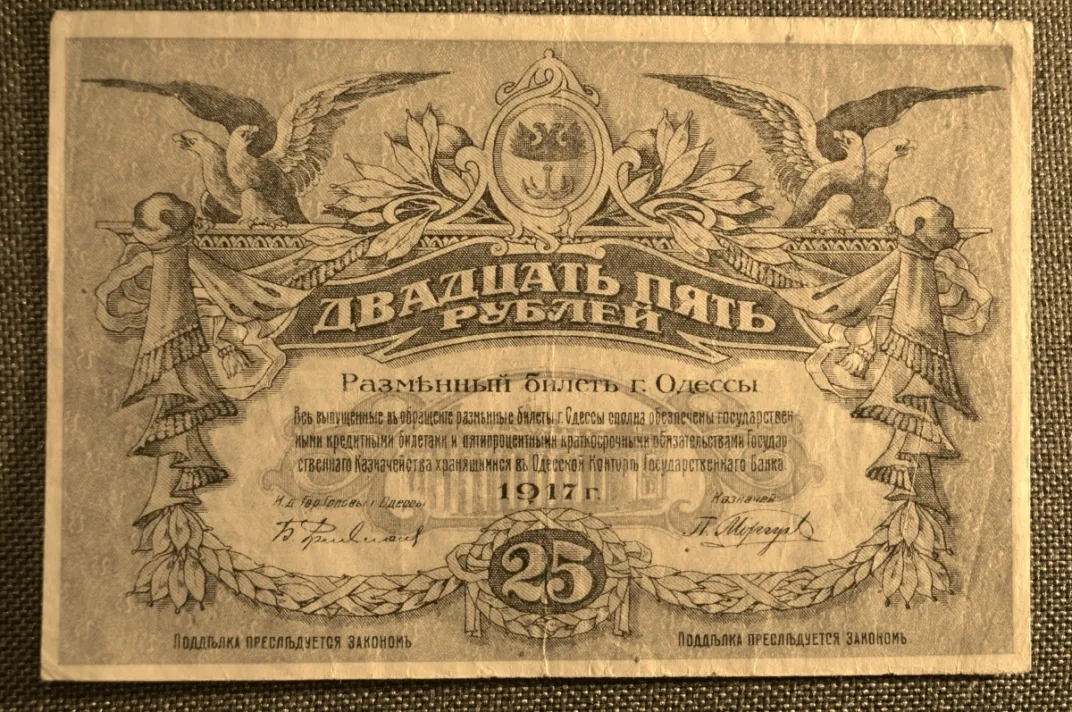
Small denominations, such as 50 kopecks and later 15 and 20 kopecks, were essential for everyday transactions.
Without small change, basic trade becomes impossible.
Larger denominations, including 25 and 50 rubles, were used in commercial transactions.
This structure allowed the currency to operate across all levels of the economy.
Distribution and Circulation
Once printed, banknotes were distributed through banks and local institutions.
They quickly entered circulation and became widely accepted.
In many cases, Odessa banknotes replaced official currency entirely.
Their acceptance depended not on intrinsic value but on trust.
People accepted them because they had no alternative.
Inflation as an Inevitable Outcome
The rapid increase in money supply led to inflation.
As more banknotes entered circulation, their value decreased.
At the same time, the supply of goods declined due to war and logistical disruption.
This imbalance created upward pressure on prices.
Inflation in Odessa was not gradual — it was rapid and often unpredictable.
Real Prices and Purchasing Power
Historical evidence shows dramatic changes in purchasing power.
Basic goods such as bread, meat, and milk became significantly more expensive.
Prices could double or triple within weeks.
Money lost its function as a store of value.
People preferred to exchange money for goods immediately.
Everyday Life in a Monetary Crisis
Inflation changed behavior.
Queues became common.
People rushed to spend money before it lost value.
Barter returned as an alternative to currency.
Economic decisions became short-term and survival-oriented.
Counterfeiting and Loss of Trust
Simplified banknote design made counterfeiting easier.
Fake notes circulated widely.
This reduced trust in the currency.
The distinction between genuine and counterfeit money became unclear.
Expansion Beyond Odessa
Odessa banknotes spread to nearby regions.
They were used in cities such as Nikolaev.
This increased their influence but also accelerated inflation.
Collector Perspective
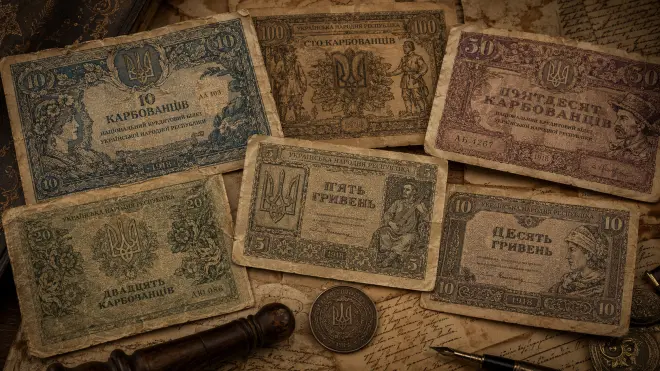
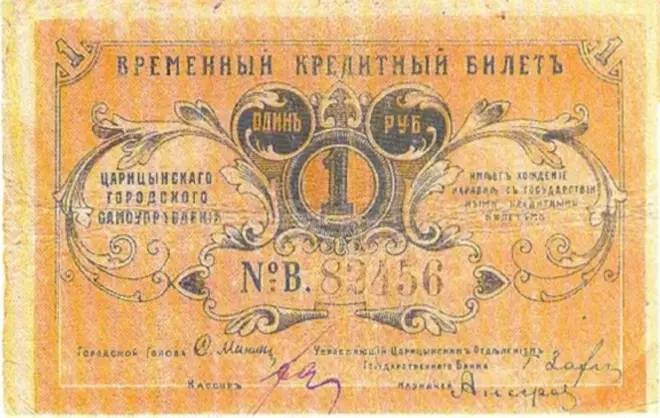
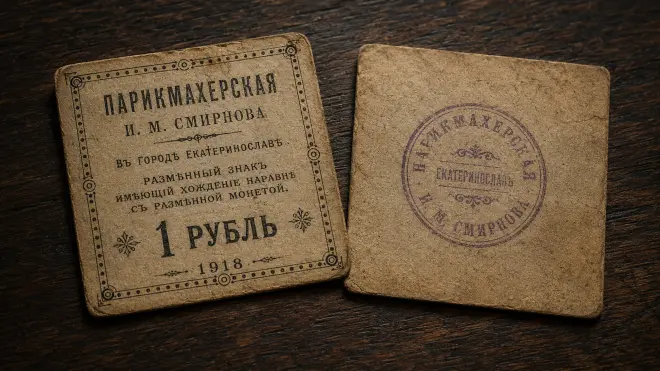
Today, Odessa banknotes are highly valued by collectors.
They represent a unique example of emergency currency.
Variations in printing, design, and paper make them particularly interesting.
Each note reflects a specific moment in the crisis.
Conclusion
The story of Odessa banknotes in 1918 is not just about printing money.
It is about how a society responds to economic collapse.
Local emission solved immediate problems but created long-term instability.
This case remains one of the most important examples of crisis currency in history.
| Year | 1918 |
|---|---|
| City | Odessa |
| Initial emission | 5,000,000 rubles |
| Peak emission | 43,500,000 rubles |
| Production | Local printing houses |
Why did Odessa print money?
Cash shortage
Were banknotes secure?
Limited security
Did inflation occur?
Yes
Are these notes collectible?
Highly
Related Articles