
50 EURO 2002 — Сен-Мартен ( Pick: 4 )
Регион:
Северная Америка
Лицевая сторона
Оборотная сторона
Описание банкноты
В 2002 году Сен-Мартен выпустил банкноту номиналом 50 евро как важную часть своей денежной системы на фоне быстро меняющегося экономического пейзажа. Этот карибский остров, известный своим культурным смешением и экономикой, ориентированной на туризм, принял евро для укрепления финансовых связей с европейскими рынками. Введение евро стало значительным этапом для Сен-Мартена, улучшив стабильность торговли и привлекая больше инвестиций в регион. Эта банкнота служит свидетельством стремления острова модернизировать свою экономику, сохраняя при этом свою уникальную культурную идентичность.
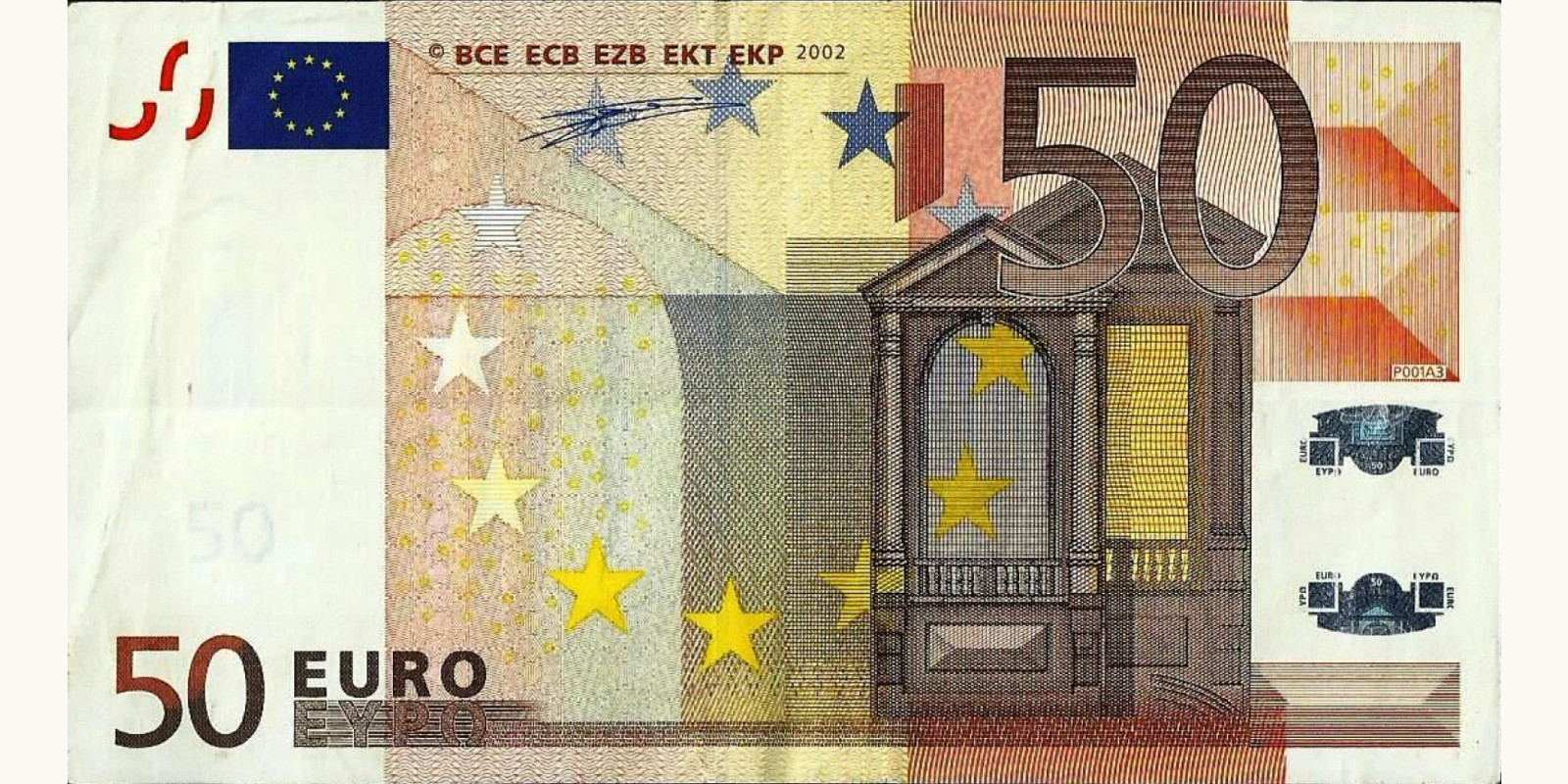
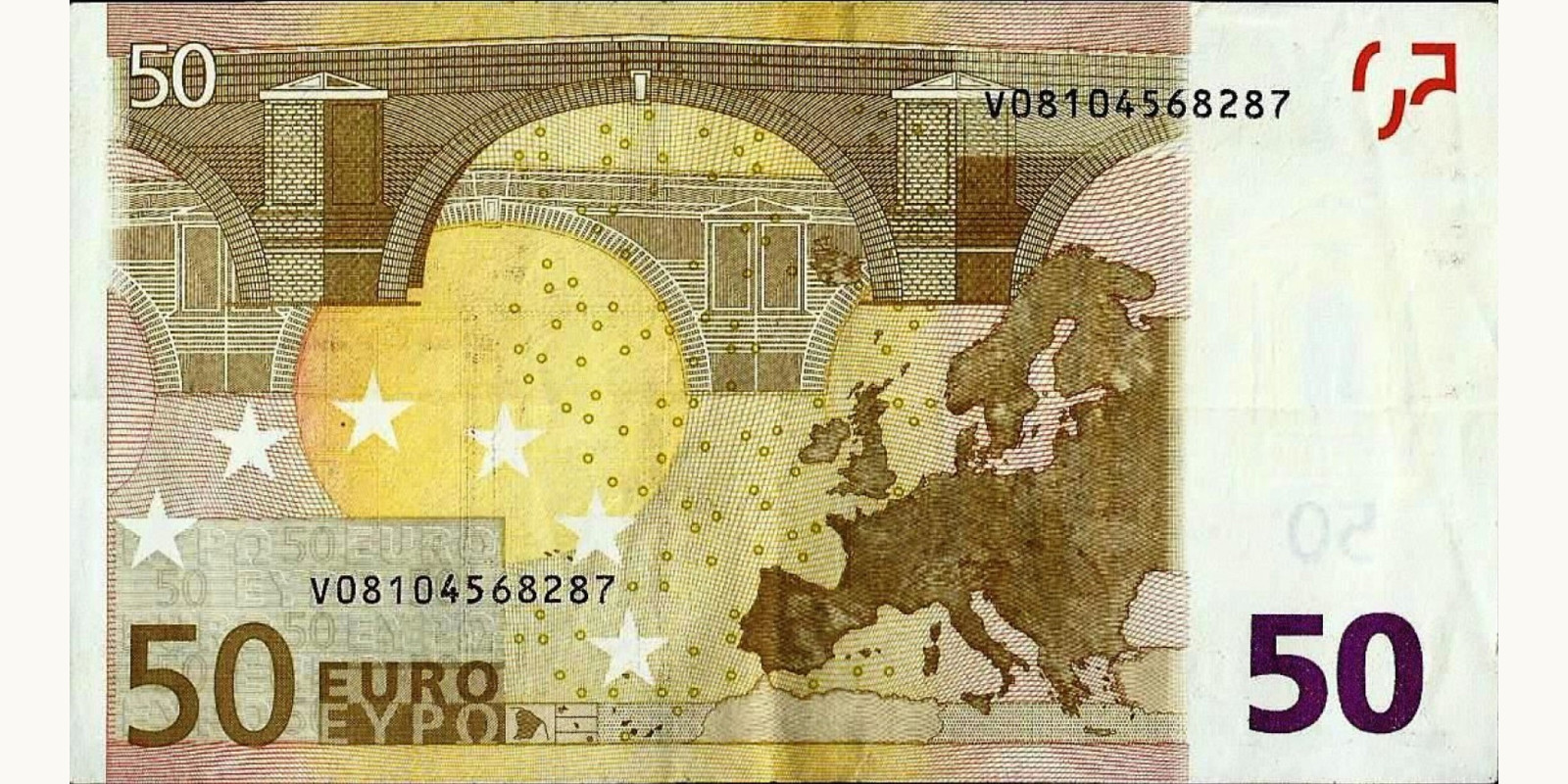
Дизайн банкноты номиналом 50 евро как яркий, так и сложный, включает палитру ярких цветов, которые отмечают европейское искусство. Важные элементы дизайна часто включают атрибуты, представляющие общую культурную наследие Европы, а также символические темы, такие как архитектура и инновации. Банкнота обычно демонстрирует известные архитектурные достопримечательности, что делает её визуально привлекательной как для коллекционеров, так и для историков. Сложные узоры и тонкие элементы безопасности интегрированы в дизайн, отражая печатные технологии, которые предотвращают подделки и обеспечивают целостность банкноты со временем.
Коллекционеры часто находят банкноту номиналом 50 евро из Сен-Мартена особенно интересной из-за её ограниченного обращения и связи с ярким историческим моментом. Её уникальное положение в серии евро, в сочетании с её связями с островом, знаменитым своим разнообразием культур, делает её желанной среди нумизматов. Эта банкнота воплощает суть переходного периода в финансовой истории Сен-Мартена, что делает её ценным дополнением к любой коллекции.
Дизайн банкноты номиналом 50 евро как яркий, так и сложный, включает палитру ярких цветов, которые отмечают европейское искусство. Важные элементы дизайна часто включают атрибуты, представляющие общую культурную наследие Европы, а также символические темы, такие как архитектура и инновации. Банкнота обычно демонстрирует известные архитектурные достопримечательности, что делает её визуально привлекательной как для коллекционеров, так и для историков. Сложные узоры и тонкие элементы безопасности интегрированы в дизайн, отражая печатные технологии, которые предотвращают подделки и обеспечивают целостность банкноты со временем.
Коллекционеры часто находят банкноту номиналом 50 евро из Сен-Мартена особенно интересной из-за её ограниченного обращения и связи с ярким историческим моментом. Её уникальное положение в серии евро, в сочетании с её связями с островом, знаменитым своим разнообразием культур, делает её желанной среди нумизматов. Эта банкнота воплощает суть переходного периода в финансовой истории Сен-Мартена, что делает её ценным дополнением к любой коллекции.
Характеристики
- Цвет
- Multicolour
- Каталог Pick
- 4
Об этой банкноте
Европейский центральный банк и национальные центральные банки еврозоны выпустили купюру в 50 евро в 2002 году, в рамках первой серии евро банкнот, введенной в большинстве стран Европейского Союза. Эта серия ознаменовала переход от национальных валют к евро, упрощая торговлю и путешествия в еврозоне.
Лицевая сторона купюры в 50 евро имеет архитектурную тематику, на ней изображены ворота в стиле Ренессанса и флаг Европейского Союза. Обратная сторона отображает мост и карту Европы, символизируя сотрудничество между нациями. Купюра с номером Пика 4 была напечатана на бумаге с современными защитными функциями, включая голограммы и водяные знаки, в рамках своего дизайна.